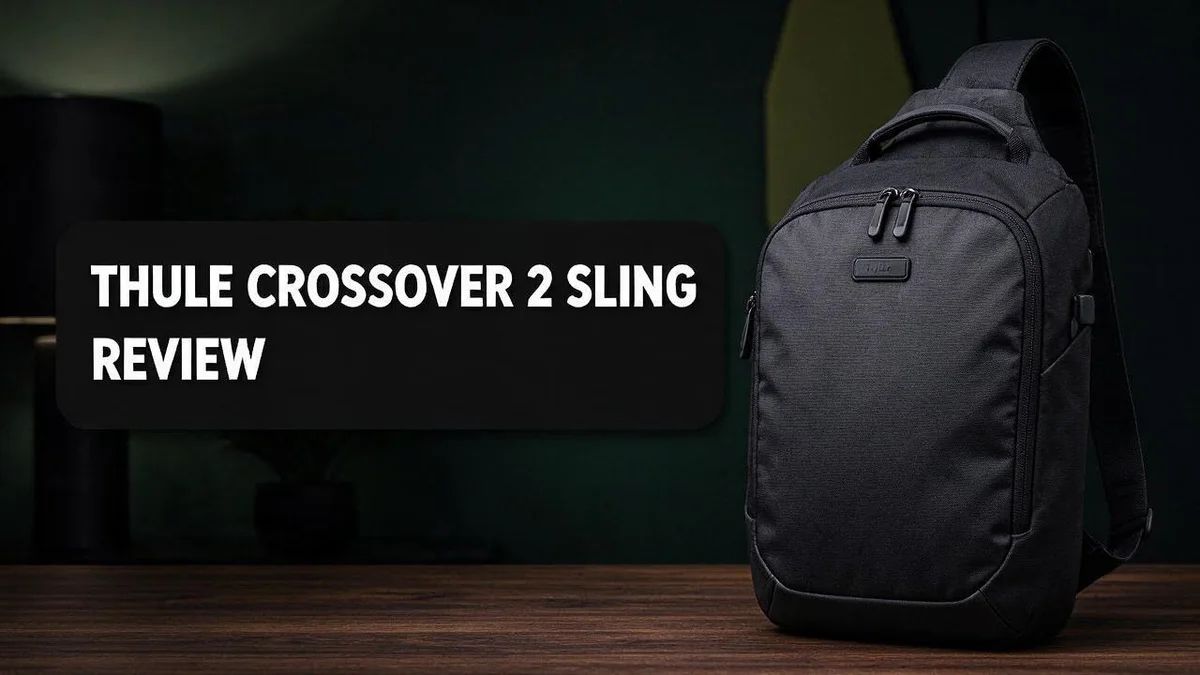
Thule Crossover 2 Sling Review: Is This Crossbody Bag Worth Buying?
Do you want a bag that keeps your daily gear close and easy to grab? The Thule Crossover 2 Sling aims to do exactly that.
Thule has earned a strong name in carry gear. The Crossover 2 family includes pieces with a SafeZone compartment, an RFID pocket, and a water bottle pocket.
A sling bag sits on one shoulder and swings to your front in seconds. That makes it handy for commutes, city walks, and quick trips.
In this review, I look at the design, comfort, and storage. I also explain who should pick this sling and who should skip it.
Let’s see if it earns a spot in your daily carry.
In a Nutshell
-
Best for: Commuters and city walkers who want fast access to phones, keys, and small daily items without carrying a full backpack.
-
Protection focus: The Crossover 2 line includes a heat molded, crush resistant SafeZone compartment in its 20L backpack. That shows Thule cares about shielding fragile gear.
-
Handy extras: Related Crossover 2 packs list an RFID pocket, a water bottle pocket, and Add-A-Bag. Check which of these the sling includes before you decide.
-
Laptop and tablet space: Larger Crossover 2 backpacks offer a padded sleeve for laptops up to 15.6 inches, plus a cushioned tablet space. A sling carries less, so confirm the size you need.
-
Honest note: My research found no sling specific specs. I treat the family details as helpful hints, not promises.
-
Quick verdict: The Crossover 2 Sling looks like a promising pick for light daily carry from a trusted brand. Keep reading for the full breakdown.
Design and Materials


Last update on 2026-10-31 / Affiliate links / Images from Amazon Product Advertising API Some of the links on this website are affiliate links, which means that at no additional cost to you, I earn a commission if you click through and make a purchase. I only recommend products and services that I believe will add value to my readers. Thank you for your support!
Design and materials need a closer look. I could not find verified details about the sling fabric, zipper type, or frame. So I will focus on what matters most for this style of bag and how to check it yourself.
A sling bag lives on your body all day. It bumps against your hip and rubs against your jacket. That means the outer fabric should feel smooth and sturdy in your hands. Run your fingers over the surface and look for even stitching at the seams.
Pay attention to the zippers too. Zippers see the most use, so they should slide without catching. Test the pull tabs with one hand while holding the bag. If they feel loose or gritty, that may signal weaker build quality.
The strap deserves the same attention. A good sling strap should sit flat across your chest and stay in place when you turn. Look for a strap that adjusts easily. Try it on with a light jacket and a heavier coat to see how it fits.
Shape matters as well. A slim profile keeps the bag close to your body and reduces bumps in a crowd. A rigid base can help the bag sit upright when you set it down on a café table.
Ask these questions before you buy. Does the fabric feel water resistant? Do the seams look reinforced at stress points? Does the interior lining protect your phone from scratches? Honest answers help you judge the build without relying on marketing claims.
Finally, check how the bag feels after an hour of walking. Comfort shows the real design quality. If the sling pulls hard on one shoulder, it may not suit longer days.
Storage Capacity and Organization
A sling bag has less room than a backpack, so smart organization matters. Before you buy, think about what you carry every day.
Start with a simple list. Write down your phone, keys, wallet, sunglasses, and charger. This list shows how much space you need.
Look for separate pockets. Separate pockets keep small items from sinking to the bottom. You find your keys in seconds instead of digging.
Check whether the main compartment opens wide. A wide opening lets you see everything at once. A narrow top forces you to dig.
Think about the phone pocket. Phones slide around when you swing the bag to your front. A snug sleeve keeps the phone steady and easy to reach.
Do not overpack. A sling works best with light loads. Heavy items pull the strap and shift the bag. Keep heavy things in a larger bag.
Group small items together. Cables, earbuds, and a small notebook fit well in a pouch. Use one pouch for each type of item. You stop hunting through the bag.
Keep the most used items up front. Place your phone and keys near the opening. Move rarely used items deeper inside. This simple habit saves time every day.
Test the layout in the store if you can. Open and close each pocket. Reach for your phone without looking. If it feels natural, the organization works for you.
Plan a quick reset each week. Remove receipts, empty wrappers, and extra cords. A clean bag stays easy to read at a glance. Your bag will feel lighter and calmer. Small habits make a big difference. Good organization makes a small bag feel roomy.
Comfort and Strap Fit
Comfort decides whether you keep using a sling bag. A strap that digs in or slips off your shoulder will annoy you fast. My research did not confirm strap padding or length details for this sling, so use the tips below during your own check.
Start with the strap length. Most sling bags allow you to adjust the strap. Try the bag on and wear it across your chest. The bag should sit near your hip, not bounce against your ribs.
Test the shoulder contact. Wide straps spread weight over more area. Thin straps can pinch, especially when the bag holds a heavier item. Press the strap with your hand and see if it feels sharp.
Think about your body type. A shorter person may need the bag higher on the torso. A taller person may need more length. Stand in front of a mirror and check the angle.
Walk for a few minutes. Comfort changes once you move. Swing your arms and turn your body. Notice whether the bag stays in place or shifts onto your back.
Watch for sweat and heat. A strap that rests against your skin can trap warmth in summer. Choose a strap that feels breathable if you walk long distances in warm weather.
Try both sides. Many people carry a sling on one side only. Switching sides helps balance your posture. Choose the side that feels natural for your daily routine.
Pay attention to the load. A light load stays comfortable for longer. Heavy items pull the strap down and cause fatigue.
Top 3 Alternatives
If the Thule Crossover 2 Sling does not fit your style, these three options offer easy access and a comfortable carry.
Peak Design Everyday Sling

Last update on 2026-10-27 / Affiliate links / Images from Amazon Product Advertising API Some of the links on this website are affiliate links, which means that at no additional cost to you, I earn a commission if you click through and make a purchase. I only recommend products and services that I believe will add value to my readers. Thank you for your support!
The Peak Design Everyday Sling feels smooth and simple to use. Its magnetic buckle opens with one hand, so you can quickly grab your camera without taking the bag off. The clean design also suits city walks and travel days. It works well for everyday carry.
Lowepro Slingshot Edge

Last update on 2026-10-31 / Affiliate links / Images from Amazon Product Advertising API Some of the links on this website are affiliate links, which means that at no additional cost to you, I earn a commission if you click through and make a purchase. I only recommend products and services that I believe will add value to my readers. Thank you for your support!
The Lowepro Slingshot Edge rotates around your body to the front. This design gives you fast access to your gear. It holds a camera body, extra lenses, and small accessories. Many photographers like its padded dividers because they keep gear safe on busy trips.
Tenba Axis Sling

Last update on 2026-11-04 / Affiliate links / Images from Amazon Product Advertising API Some of the links on this website are affiliate links, which means that at no additional cost to you, I earn a commission if you click through and make a purchase. I only recommend products and services that I believe will add value to my readers. Thank you for your support!
The Tenba Axis Sling has a slim and light build. Its weather resistant shell handles light rain without trouble. The padded interior protects mirrorless cameras and spare lenses. Choose this bag for outdoor shoots or long days on your feet.
Each option fits a different shooting style. Pick the one that matches your daily routine and your gear list.
Protection and Security Features
A sling bag sits in front of your body. That spot keeps your gear close and visible. It also means your valuables need solid protection.
I could not confirm the exact security features of the Thule Crossover 2 Sling. However, related Crossover 2 models list several protective details. Here is what they show.
The SafeZone compartment stands out. The 20L Crossover 2 backpack has a heat molded, crush resistant SafeZone section. It guards fragile items from pressure.
Check for a firm pocket on the sling. Read the product page closely or ask the seller. A firm pocket keeps tablets and cameras safe from bumps.
Padded laptop space adds another layer. The 30L model includes a padded laptop sleeve. It fits laptops up to 15.6 inches.
Think about theft risk. A bag in front stays in your line of sight. You can spot anyone who gets too close.
Look for an RFID pocket. Crossover 2 models list an RFID pocket. It helps shield chip cards from wireless scanning. Store your passport and payment cards there when you travel.
Keep valuables in inside spaces. Outer pockets feel convenient, yet they face more risk. Put your passport and wallet in a central area that stays closed.
Mind the water bottle pocket. Keep liquids away from electronics. Spills can damage phones.
Test the bag in person. Fill it with your usual items and wear it for a few minutes. Check that the pockets hold everything without bulging or gaps.
Final thought: Good protection comes from both design and habits. Choose a sling with clear compartments, then use them the right way.
Everyday and Travel Use
A sling bag fits many everyday routines. You can grab it for quick errands, coffee runs, or a short walk downtown. It keeps your hands free while you move.
Commuting is another common use. On a crowded train or bus, a sling keeps your space small and your movements easy. Many riders like having the bag in front where they can reach it without twisting.
Airports call for a different kind of setup. Security lines move quickly, so you need items within reach. A sling can hold your boarding pass, passport, and phone for easy access.
Related Crossover 2 models include a cushioned tablet space. A tablet may feel safer during a long flight when it sits in a padded area. I could not confirm whether the sling itself offers this feature, so check the product page first.
City sightseeing works well with a sling too. Carry a map, a camera, and a light jacket. The bag acts as a simple day pack when you explore on foot.
Weather can change fast on a trip. Rain may catch you off guard. Look for a water resistant finish or plan to pack a small cover. The research did not confirm this detail for the sling, so verify it before you leave.
Events and venues sometimes limit bag size. A slim sling may meet those rules more easily than a large backpack. Always check the venue policy before you arrive.
Test the bag on a real errand before a big trip. You will learn quickly whether it suits your routine and your travel style.
Durability and Weather Resistance
Durability matters more than many buyers expect. A sling bag rubs against your hip and clothing every single day.
I could not confirm the fabric or rain rating for the Crossover 2 Sling. The sources I checked did not list those details.
Related Crossover 2 models share a similar design, so they hint at build quality. A sling may still differ.
Inspect the zippers first. Zippers often wear out before the fabric does. Run each one slowly in a store. Feel for snags or gaps along the teeth.
Check the stitching where the strap attaches. These spots carry the most weight. Tug firmly and look for loose threads.
Look for a zip closure over open tops. A zipped main compartment keeps rain and dust out. Open flaps let water in faster.
Think about rain before a trip. A simple rain cover can help when storms hit.
Dry the bag after wet days. Hang it open in the shade. Direct sun can fade colors and weaken fabric over time.
Wipe grit off the hardware with a damp cloth. Dirt inside buckles can grind down moving parts.
Wash only as the label allows. Hand washing with mild soap keeps the material in good shape.
Expect some wear after a year of heavy use. Light scuffs on the base are normal. Deep tears or broken clips signal a problem.
Save the warranty details from the seller. You will know your options if a defect appears.
Test the bag in real conditions before a long trip. Carry it in light rain and see what gets wet.
Pros and Cons
Pros
– Quick access to your items without taking the bag off
– Easy to swing around for a fast grab
– A water bottle pocket appears on related Crossover 2 models
– Shares the same design family as the Crossover 2 backpacks
– Simple shape that suits quick trips out
Cons
– Sling size and capacity are not listed in the research
– Less room for bulky items like jackets
– Shoulder comfort on long days is not confirmed
– No user complaints were found in the sources checked
Who Should Buy It
This bag suits people who carry a light load. Many people use a sling for a phone, wallet, keys, and sunglasses.
Some shoppers dislike wearing a backpack for hours. A sling offers a different way to carry small items on one side. It also keeps your back free from extra weight on warm days.
Owners of other Crossover 2 bags may enjoy a matching companion. A sling can serve as a smaller choice on days when a full pack feels like too much.
Parents often need a bag that stays close during busy outings. A sling keeps small essentials within easy reach while kids walk nearby.
Quick errands suit this style well. Coffee runs, gym visits, and short trips to the post office need little more than a few essentials.
Heavy loads may not suit this bag. Anyone who needs to carry a laptop, a jacket, and a lunch box together should look at a larger option.
The sources list no sling size or capacity. Measure your everyday items at home before deciding.
Students with light school days may find this style handy. Books and a laptop might not fit, so pack only the essentials.
Shoppers who browse markets or shops for hours may like a bag that stays put. A sling keeps one side secure while both hands stay free.
Choose this sling for simple needs and short days out. Skip it if you need strong shoulder support for long walks, since that comfort is not confirmed. Check the product details and compare them with your daily items before you buy.
Final Verdict
The Thule Crossover 2 Sling looks like a sensible pick for light daily carry. I need to stay honest, though. My research found no sling specific facts, so this verdict leans on the wider Crossover 2 family.
That family shows a clear focus on protection and smart organization. Related backpacks offer a crush resistant SafeZone compartment and an RFID pocket. A sling may borrow some of these ideas, but I cannot confirm it.
Check Three Things Before You Buy
First, confirm the capacity on the product page. Second, make sure your phone and daily items fit with room to spare. Third, read the return terms in case the strap feels wrong.
Test it at home. Load the bag with your usual items and wear it for an hour. Strap comfort shows up fast.
Thule has a strong name in carry gear. That gives the sling a good starting point. A brand name does not replace real specs, so look for size charts and owner photos before you decide.
Who Should Choose Something Else
Laptop carriers should look at a Crossover 2 backpack instead. The 30L model has a padded sleeve that fits laptops up to 15.6 inches. It also has a cushioned tablet space.
Bottom Line
The Crossover 2 Sling earns a cautious yes from me. It suits minimalists who carry little and want quick access. It deserves a spot on your shortlist.
Verify the details first. Choose a larger Crossover 2 model if your day needs more space. A bag that fits your routine will always beat a bag that only looks good.
Frequently Asked Questions
Does the sling have padding for a tablet or laptop?
The sources do not confirm padding on the sling. The related 30L backpack has a padded laptop sleeve and a cushioned tablet space. For devices, a backpack style likely protects them better.
Is there a spot for cards?
Related Crossover 2 models include an RFID pocket for cards. The research does not confirm this feature on the sling. Check the product listing before you assume it is there.
Can I take it on a trip?
The sources do not describe travel use. Still, the quick access style suits short city trips well. Keep your phone and wallet in the front section so you can reach them fast.
Does the sling work for a long day out?
The research does not say how the sling performs over a full day. It suits light loads best. If you plan to carry extra items for hours, a larger Crossover 2 backpack may feel more balanced.

Hi, I’m Marie Bennett, the founder of PackSmart.blog.
I write about travel essentials and Amazon gear reviews to help you pack smarter and travel lighter.
From must-have accessories to space-saving gadgets, I test and share what truly works on the road.
My mission is to make every trip stress-free and organized for travelers like you.
Join me as I explore smarter ways to travel—one bag at a time.