Briggs & Riley @Work Medium Backpack Review 2026
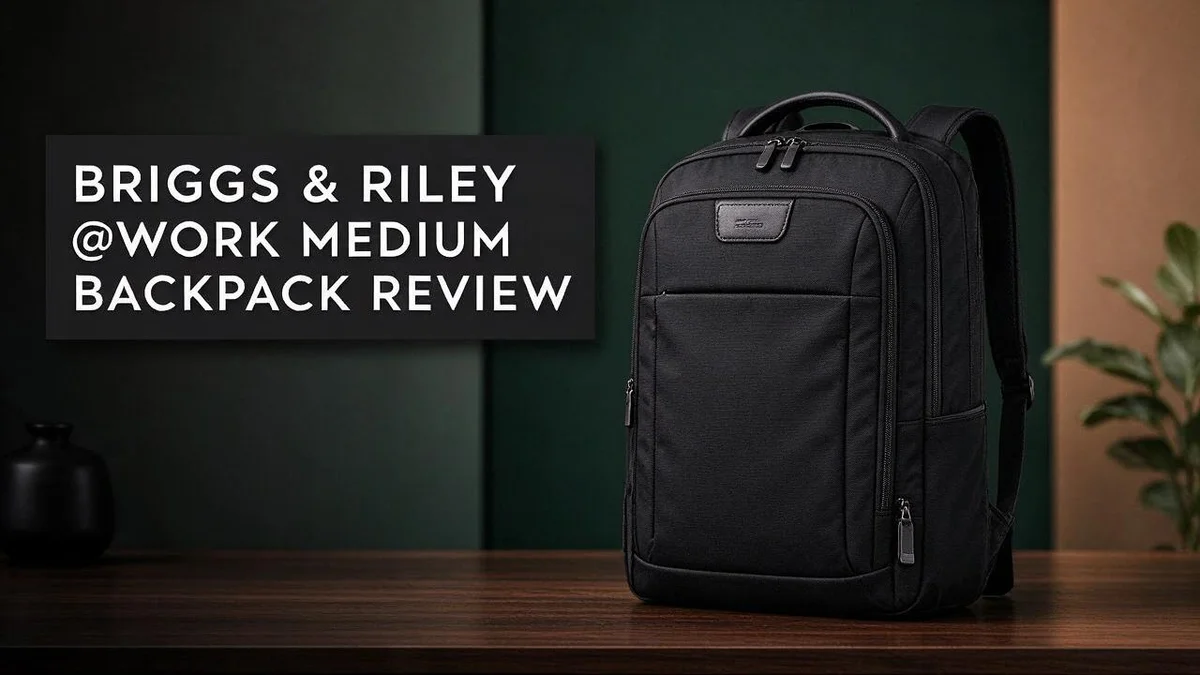
Do you want a work backpack that looks sharp and lasts for years? The Briggs & Riley @Work Medium Backpack (model KK526-4) aims to do just that.
This brand is known for travel and business gear. One video even calls this pack a Tumi alternative.
Two features stand out right away. The bottom has reinforced corner guards with a low profile. They shield the pack from daily scuffs.
Inside, you get a soft, durable fabric lining in a contrasting color. That color helps you spot small items fast.
We will also compare it with rivals like the Bellroy Classic Backpack Plus and the Tom Bihn Synapse. Let’s see if it earns a spot on your commute.
In a Nutshell
-
Best for: Professionals who want a polished, low-key commuter pack from a trusted business brand.
-
A Tumi alternative: Some reviewers pitch it as a Tumi alternative for people who like that clean, corporate look.
-
Check the size first: The 17 inch laptop fit belongs to the Large model. Confirm the Medium’s laptop size before you order.
-
Missing details: Weight and capacity are not confirmed for this model. We found no stated drawbacks, but the research is limited.
-
Other options: The Defy Bucktown and Waterfield Pro Executive are worth a look if you want to compare more backpacks.
-
Our take: This pack suits daily office carry and long term use. Read the full review below to see if it fits your routine.
Design and Build Quality

Last update on 2026-10-31 / Affiliate links / Images from Amazon Product Advertising API Some of the links on this website are affiliate links, which means that at no additional cost to you, I earn a commission if you click through and make a purchase. I only recommend products and services that I believe will add value to my readers. Thank you for your support!
The build of this backpack focuses on protection where bags usually wear out first. Reviewers point to reinforced bottom corner guards that sit low on the pack.
Why does this matter? A bag sits on hard floors, curbs, and train platforms every day. The bottom corners take the most abuse, so guards there help the pack keep its shape.
The low profile design also keeps the guards from looking bulky. You get protection without a clunky silhouette. That balance suits a work bag that gets set down often.
Think about how you carry it. A well built pack should feel steady when fully loaded. Stand it upright on a desk and check whether it holds its form. A pack that slumps may lose structure over time.
Give the seams and stitching a close look in person. Tight, even stitching usually signals careful assembly. Pull gently on the straps and handles too. Solid attachment points matter more than most shoppers expect.
Zippers deserve attention as well. Smooth pulls glide without catching on the fabric. Check that the zipper track lies flat and lines up neatly at the corners.
Everyday wear tests any bag. A commute brings rain, crowded trains, and rough handling. A sturdy base and protected corners help the pack handle that routine without fuss.
Try the pack before you commit. Load it with your usual laptop, notebook, and charger. Then walk around the store. Notice whether the frame pulls on your shoulders or stays balanced.
Finally, sit with the pack for a few minutes. Check whether the back panel feels comfortable against your spine. Good build quality should feel reassuring, not heavy or awkward.
Interior Layout and Organization
Good organization makes a work bag feel easy every single day. The interior layout decides where your pens, cables, and notebook end up. Start by looking at how the main space is divided.
Think about where your laptop sits. A good laptop sleeve should hold the device snug without rattling. Slide your laptop in and out a few times to see if it feels secure.
Check the small pockets too. Pens, badges, and phone chargers need their own spots. If everything lands in one open space, you will dig for keys every morning.
Open the main compartment fully. Notice whether the bag lies flat when unzipped. A layout that stays flat makes it simple to see every item at once.
Try packing your usual work items. Load a notebook, a water bottle, and a folder. Then check whether anything shifts or gets crushed.
Pay attention to access. A pocket you can reach fast helps you grab an item at a station. Think about whether you reach for things while walking or standing in line.
Look at the spacing between each section too. Tight gaps can trap cords. Wide gaps can let small gadgets slide down to the bottom.
Lay everything out on a desk. Compare your daily kit with the empty space you see. This quick test shows whether the layout fits your routine.
Consider how the bag fits your daily route. Stairs, trains, and crowded offices test every pocket. A layout that feels right may still annoy you on a busy platform.
Ask yourself one question before you decide. Will you use each section every week? If the answer is no, the space may just add bulk.
Size, Capacity and Laptop Fit
Size matters more than many buyers expect. The research does not list measurements for this Medium model, so you need to do some checking yourself.
Start with your laptop. Measure its width, height, and depth. Then compare those numbers with the inner sleeve you plan to use. A snug fit protects the screen, but a tight squeeze makes daily access harder.
Try a quick test at home. Place your laptop on a table with a notebook, a charger, and a pouch. If everything lies flat without bulging, you are on the right track.
Capacity is harder to judge than laptop space. Think in terms of your daily routine rather than liters. Ask yourself what you carry on a normal workday, not on a rare trip.
Plan for the extras. Many commuters carry a water bottle, a lunch box, and a rain jacket. Add those items to your list. A pack that holds the laptop but cannot fit your extras will feel small within a week.
Shoulder comfort changes with size too. A bag that sits too low can pull on your back. Load it with your usual items and walk for ten minutes. Notice where the straps press most.
Ask the brand for exact numbers. Search the official product page first. If the details are missing, contact customer support. Request the internal dimensions and weight in writing.
Compare with the right model. If your laptop is larger or you carry heavy loads, check the Large model’s listed specs next to this one. Side by side numbers reveal the real difference.
Final tip: Write your size checklist on paper before you shop. Bring your laptop measurements, your daily items, and your route length. You will make a clear choice that fits your life.
Top 3 Alternatives
Tumi Alpha Bravo

Last update on 2026-11-03 / Affiliate links / Images from Amazon Product Advertising API Some of the links on this website are affiliate links, which means that at no additional cost to you, I earn a commission if you click through and make a purchase. I only recommend products and services that I believe will add value to my readers. Thank you for your support!
Looking for a sleek option for daily work? The Tumi Alpha Bravo gives you a polished look that fits any office. It has a padded laptop sleeve that keeps your device safe during busy commutes. Many business travelers like its tough ballistic nylon. The bag also includes organized pockets for cables, chargers, and papers. It works well for people who want a clean style with plenty of protection.
Peak Design Everyday Backpack

Last update on 2026-10-15 / Affiliate links / Images from Amazon Product Advertising API Some of the links on this website are affiliate links, which means that at no additional cost to you, I earn a commission if you click through and make a purchase. I only recommend products and services that I believe will add value to my readers. Thank you for your support!
If you value flexibility, this bag is a strong pick. You can adjust the internal dividers to fit your gear just right. The fabric resists light rain, so your items stay dry on wet days. It also offers a magnetic closure that opens quickly. Photographers and commuters often enjoy its smart layout. You can carry it for a full day without feeling weighed down.
Timbuk2 Command Backpack

Last update on 2026-10-29 / Affiliate links / Images from Amazon Product Advertising API Some of the links on this website are affiliate links, which means that at no additional cost to you, I earn a commission if you click through and make a purchase. I only recommend products and services that I believe will add value to my readers. Thank you for your support!
Want a bag built for busy commutes? The Timbuk2 Command Backpack keeps things simple and practical. Its padded sleeve holds laptops and tablets securely. A quick-access pocket helps you grab your phone or keys in seconds. The water-resistant shell handles everyday weather well. It is a good match for cyclists, students, and city walkers who need a reliable daily bag.
Durability and Materials
Materials shape how a bag ages over time. The soft fabric lining in a contrasting color helps you spot items fast. That detail matters on busy mornings when you dig for keys or a charger.
A contrasting lining also shows dust and small spills. You can wipe it clean with a damp cloth. Good care keeps the inside looking fresh.
Corner guards on the bottom add real support. They protect the base when you set the bag down on rough surfaces. The research confirms these guards are part of the design, which shows attention to wear points.
Fabric details matter more than marketing words. The research did not list material thickness or weight for this model. Check the brand website for fabric type, lining specs, and care instructions.
Read the care label first. Some materials need gentle cleaning, while others handle a quick wipe. Follow the guide so the bag lasts longer.
Climate plays a role too. Rain, snow, and strong sun can weaken fabric over time. If you commute in wet weather, plan a dry out routine after each trip.
Handles deserve a closer look as well. Lift the bag by the top handle with a full load. Notice whether the attachment points feel firm under weight.
Think about how the materials age over the years. Fabric that looks sharp today can fade or fray with use. Pick a bag you enjoy caring for, since regular care keeps it looking good.
Note the gaps in the research. No full review content or cons were stated. Gather your own notes from hands on time with the bag before you decide.
Comfort and Everyday Carry
Comfort starts at your back. A padded back panel keeps heavy items away from your spine. Stand with the pack on and notice any pressure points.
Strap width matters too. Wide straps spread the weight across your shoulders. Thin straps can dig in after a long walk to the office.
Weight distribution changes everything. Place heavier items close to your back and near the middle of the bag. This keeps the pack steady when you walk, turn, or stand on a crowded train.
Reaching is part of daily carry. You may grab a badge, a phone, or your keys many times a day. Practice reaching into the pack while you wear it.
Sitting matters as much as walking. Many commuters sit on trains or buses with the pack on their back. Check that the bag stays upright and does not push you forward. Lean back gently and see how it feels.
Movement reveals the real fit. Walk briskly, climb a flight of stairs, and step on and off a bus. Watch whether the bag swings or bounces with each step. A steady pack feels lighter over a full day.
Adjust every strap before you leave. Tighten the straps so the bag sits close to your body. Loose straps let the load swing and pull at your shoulders.
Public feedback on this model is limited. The research did not include wear reports from owners. Your own short tests will tell you more than any summary. Wear the pack around a store, up some stairs, and across a short walk.
Keep the first test simple. Note where the straps rub, where your back heats up, and whether the load shifts. Small problems in a store often grow into big problems by the end of a work week.
Medium vs. Large Cargo Backpack
Choosing between the Medium and the Large often comes down to one honest question. How much do you carry each day? A bigger bag tempts you to fill every empty corner.
The Medium suits lighter routines. It works well if your day includes a laptop, a notebook, and a snack. It also feels easier to manage on a crowded train.
The Large suits heavier days. It helps when you carry a larger laptop, a tablet, and gym clothes. The Large model is the one built for laptops up to 17 inches, so it leaves more room for bigger devices.
Shape matters too. A Medium often sits closer to your back, which helps with balance. A Large can sag when it is only half full, and that pull can tire your shoulders faster.
Think about your travel as well. A weekend trip or a short work trip can change the answer. Check whether you board a plane or roll the bag through a hotel lobby. A bag that feels right on Monday may feel too big in an airport line.
Watch for the overpacking trap. Extra room invites extra weight. Many buyers choose the Large just in case, then carry it every day. Your shoulders feel that load after a few blocks.
Use a simple rule. Pick the Medium if you rarely fill the main pocket. Pick the Large if you often need space for a second layer of items. Also consider whether one larger bag can replace a backpack plus a tote, which saves clutter.
Our research did not find a direct side by side comparison of these two models. That gap means your own daily test matters most. Pack your usual load, walk your usual route, and see which bag feels calm on your back.
Choose the size that fits your normal life, not your worst day.
Pros and Cons
Pros
– A soft lining in a contrasting color helps you spot items fast
– Low profile corner guards keep the outline neat on your back
– The style feels like a Tumi alternative for shoppers who like that look
– The fabric lining appears durable for everyday packing
– It sits alongside well known names like Bellroy and Tom Bihn
Cons
– The current research notes list no clear drawbacks
– Key measurements for the Medium model are missing
– The laptop size for this model is not listed
– Full review content is still hard to find
Who Should Buy It
This bag suits people who value a clean, understated look. It fits well in both office settings and creative workplaces. Many professionals like a bag that looks polished without drawing attention.
Students often make a good match too. A medium size can hold textbooks, a notebook, and a charger in one place. You avoid lugging a bulky pack across campus every day.
Short trip planners may find it handy. The bag works for a quick overnight stay with a few outfits. Packing light becomes easier when the space has clear limits.
Remote workers who switch between a home desk and a coffee shop will appreciate it. They need a bag that looks neat in both places. A tidy look makes switching spots feel effortless.
Shoppers who like to compare options should look at rivals first. Defy Bucktown and Waterfield Pro offer other choices in this category. Side by side checks help you see which design matches your needs.
Buyers who need full specs before they buy may want to wait. The research notes do not confirm dimensions or laptop size for this model. Checking those details first helps you avoid returns and frustration.
Anyone who carries a laptop should measure the device first. A quick check with a tape measure keeps the choice simple. Confirm the fit before the bag arrives at your door.
In short, this bag suits neat and organized people. It works best for daily loads that stay light to moderate. Think about your routine, then decide with confidence.
Final Verdict
The Briggs & Riley @Work Medium Backpack earns a cautious thumbs up from me. The design choices look thoughtful. The missing product data keeps me from a full endorsement.
Think of this bag as a good fit with a little homework attached. A few quick checks will tell you if it suits your daily routine.
Your quick checklist:
- Measure your laptop, then compare it with the interior size on the product page.
- Pack your usual daily load on a table and judge the volume.
- Read the brand’s warranty and return terms before you order.
- Try the bag on in a store if you can, so you can test the strap comfort.
Briggs & Riley built its name on travel gear. That background gives me some confidence in the overall approach. Still, I cannot confirm every detail without more data, and I will not guess.
Rivals such as the Bellroy Classic Backpack Plus and the Tom Bihn Synapse deserve a side by side look. A short comparison costs you little time. It also helps you feel sure about your final choice.
Buy it if you trust the brand, like the clean look, and confirm the fit for your gear. Skip it for now if you need exact numbers before you commit.
My bottom line is friendly and honest. This backpack looks like a solid daily companion for commuters and light travelers. Verify the details that matter to you, and you will likely enjoy it for years.
Frequently Asked Questions
Is this bag good for a daily commute?
Yes, it can work well for daily trips. The soft contrasting lining helps you spot items quickly. The reinforced bottom corners also guard the base when you set the bag down on rough ground.
Should I choose the Medium or the Large?
The laptop size note in the research applies to the Large Cargo, not the Medium. Check the brand’s sizing details before you decide. Then compare your usual daily load with each option.
Can I take this backpack on a flight as a carry-on?
Airline rules vary by carrier. The research does not confirm the Medium’s exact measurements, so check your airline’s size limits first. Then measure the bag on the brand site and compare the numbers.
Who should skip this bag?
Buyers who need a large bag for heavy, multi-day loads may find the Medium too small. Shoppers who want a clear list of confirmed specs may feel unsure right now. In that case, a rival like the Tom Bihn Synapse may suit them better.
How can I find the missing details fast?
Start with the brand’s product page and look for a dimension chart. Check for a weight listing as well. If those details stay hidden, contact the retailer and ask for the interior size. Most sellers can answer that question quickly.

Hi, I’m Marie Bennett, the founder of PackSmart.blog.
I write about travel essentials and Amazon gear reviews to help you pack smarter and travel lighter.
From must-have accessories to space-saving gadgets, I test and share what truly works on the road.
My mission is to make every trip stress-free and organized for travelers like you.
Join me as I explore smarter ways to travel—one bag at a time.