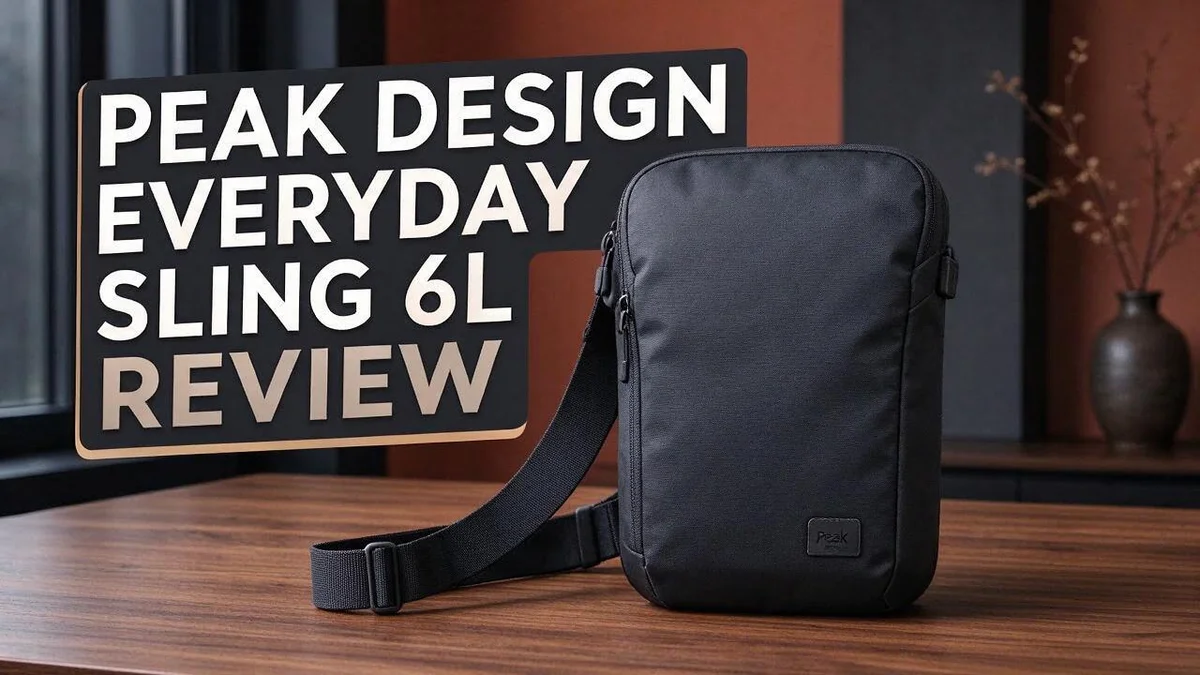
Peak Design Everyday Sling 6L Review: Is This Camera Sling Worth It?
Do you want a small bag that keeps your camera close and ready? The Peak Design Everyday Sling 6L aims to do exactly that.
This sling holds a camera body plus a few small to medium lenses. The padded strap works on either shoulder.
A swivel strap and quick release adjuster let you move the bag around your body with ease.
You can also shape the inside with FlexFold dividers. Loading and unloading feel simple.
Still, no bag is perfect. Some users find the strap uncomfortable when fully loaded. The bag also lacks weather resistance.
This review covers the strengths, the weak spots, and a few alternatives. Read on to see if this sling fits your style.
In a Nutshell
- Build quality stands out. Reviewers call the sling well made and versatile. Many also praise its looks and flexibility.
- Loading is simple. Gear goes in and comes out without a fuss. You can reach for your camera and take the shot fast.
- Comfort fades with weight. The padded strap feels good at first. A full bag changes that. One user says the strap feels tight when the sling is loaded.
- Weather protection is limited. The bag is not weather resistant. One reviewer found moisture inside after a brief drizzle. That reviewer also advises against using it for bike touring.
- The separators have limits. They feel somewhat inflexible. Test your layout at home before a big shoot.
- Other slings deserve a look. Consider the Aer Day Sling 3, the Alpaka Flight Sling, the Bellroy Venture Sling 9L, or a Tomtoc sling if you want a different feel.
Design and Build Quality

Last update on 2026-10-29 / Affiliate links / Images from Amazon Product Advertising API Some of the links on this website are affiliate links, which means that at no additional cost to you, I earn a commission if you click through and make a purchase. I only recommend products and services that I believe will add value to my readers. Thank you for your support!
Design is where this sling earns much of its appeal. Its clean outline suits city streets, travel days, and relaxed weekend walks.
Many owners say the look feels modern without being loud. The bag blends with everyday clothes, so it rarely draws unwanted attention.
Build quality feels solid from the start. Reviewers describe the bag as well made, which gives you confidence when you carry valuable camera gear.
The main compartment gives each item a clear home. Your camera and lenses stay where you place them, so you spend less time searching.
Pack choices shape how the bag feels on your body. Plan your load before you leave home so the sling stays balanced and easy to manage.
Swapping sides during a long walk helps keep your posture even. This flexible design fits people who like to switch habits during a day out.
A good design also helps you stay organized on shoot days. Keep lenses in one zone and small accessories in another, so you can grab what you need fast.
Think about the bag from the outside too. A tidy shape looks better in photos and feels easier to carry in crowded places.
Simple details like neat edges and a clear layout make daily use feel smoother.
Durability is still a question for many buyers. The stitching and hardware look sturdy, yet long term wear will show how well the bag holds up.
In short, the design favors style and function over bulk. It suits photographers who carry one camera and a few lenses, not a full kit.
Capacity and Camera Gear Fit
Think about your gear before you buy any bag. The sling works best when you pack light. Six liters gives you room for the essentials, but not for everything.
Start with your camera. A mirrorless body with a lens attached takes up most of the space. Add one or two compact lenses, and the bag feels full. Larger zoom lenses may not fit at all.
Pack a day plan, not a full kit. Bring a spare battery, a memory card, and a lens cloth. Skip the tripod and the big flash. You can carry those in a second bag when you need them.
Plan for extras too. Snacks, a water bottle, and a phone may crowd the top pocket fast. Keep a small pouch for cables so the main space stays open for your camera.
Your typical outing matters as well. A short street walk needs less room than a full day on a trail. If you often shoot on the move, this size keeps things close without feeling bulky. A longer hike may call for a larger pack.
Test the fit before you commit. Load your usual gear and walk around your home for a few minutes. Check whether the lens hood or the flash bumps the lid. A quick test saves frustration later.
Consider how you grow. If your lens collection is expanding, this bag may feel small soon. Many people pick a size that matches today’s kit, then add a larger option later.
Finally, think about how the bag opens while you shoot. Quick access helps when a moment passes fast. Keep your most used lens near the top so you can grab it without digging through the whole bag.
FlexFold Dividers and Organization
Dividers make the inside work for you. Each insert creates a pocket that fits one item. Your gear stays put instead of sliding around during a walk.
Measure your lens before you set the walls. Place the longest divider first, then build the rest around it. This order keeps the space tight and stable.
Think about impact too. A lens that knocks against a camera body can pick up scratches. A firm divider between them adds a simple layer of protection.
Small items need love too. Batteries, cards, and cables tend to tangle. Use a slim section or a pouch to keep them apart from the lens.
The dividers can feel stiff at first. Bend them gently a few times before you pack. This small step makes them easier to position.
Try a test layout at home. Fill the bag with your usual kit and close the flap. Shake it lightly and check for movement. If something rattles, shift a divider a notch.
Remove dividers when you need a flat bag. Leave them out for a grocery run or a casual day. Put them back when a shoot calls for order.
Keep a note of your favorite layout. Snap a quick photo inside the bag. You can rebuild the same setup in seconds on busy mornings.
Dividers also help with sorting by use. Put daily items on one side. Keep backup gear on the other.
Mark each zone in your head before you leave. You will reach for the right item without searching. Smooth access keeps your rhythm on a busy day.
A clear plan saves time on set. Less digging means fewer missed shots. Good organization feels calm, even when the day gets hectic.
Top 3 Alternatives
Tortuga Setout Sling

Last update on 2026-10-29 / Affiliate links / Images from Amazon Product Advertising API Some of the links on this website are affiliate links, which means that at no additional cost to you, I earn a commission if you click through and make a purchase. I only recommend products and services that I believe will add value to my readers. Thank you for your support!
The Tortuga Setout Sling is a great pick for daily carry. It has a clean shape and a simple design. You can grab it fast and head out the door.
The main pocket fits a tablet, a water bottle, and small gear. Many people like the padded straps because they feel comfortable on long walks. The bag also handles light rain well, so you can use it in most weather.
If you want a sling that looks sharp at work or on weekend trips, this one is a solid choice.
Aer City Sling

Last update on 2026-10-29 / Affiliate links / Images from Amazon Product Advertising API Some of the links on this website are affiliate links, which means that at no additional cost to you, I earn a commission if you click through and make a purchase. I only recommend products and services that I believe will add value to my readers. Thank you for your support!
The Aer City Sling focuses on clean lines and good organization. It works well for commuters who carry a laptop or camera. Its structure keeps your items in place while you move.
You get several pockets for keys, cards, and cables. The zippers feel smooth and easy to open. The strap adjusts quickly, so you can wear the bag on either side of your body.
Many users say it feels like a premium everyday bag. It suits people who want a neat look without extra bulk.
Mystery Ranch Hip Monkey

Last update on 2026-10-29 / Affiliate links / Images from Amazon Product Advertising API Some of the links on this website are affiliate links, which means that at no additional cost to you, I earn a commission if you click through and make a purchase. I only recommend products and services that I believe will add value to my readers. Thank you for your support!
The Mystery Ranch Hip Monkey takes a different approach. It is a hip pack style bag built for hikes and active days. It sits on your waist, so your back stays free and relaxed.
The sturdy build handles rough trails and heavy use. You can carry water, snacks, and a small camera with ease. The belt wraps snugly around you and reduces bounce on steep paths.
If you spend most of your time outdoors, this bag may be your best match.
Strap Comfort and Carrying Experience
The strap feels good at first. Most people notice a soft, padded layer on the shoulder. It rests well when the bag holds only a light load.
Fit changes once the bag fills up. The strap can feel tight when you pack it fully. One user describes this tight feeling after hours of carrying gear.
The swivel strap helps you adjust the angle. You can fine tune the length with the quick release adjuster. Small changes make a big difference on your shoulder.
Your body shape matters too. A taller frame may sit better with a lower strap position. Shorter users may prefer a higher setting so the bag stays off the hip.
A sling puts the load on one shoulder. That differs from a backpack, which spreads weight across both shoulders. Keep heavier items close to your back so the bag stays steady.
Padding matters more on heavy days. A thin pad can press into your skin after a few hours. Check the padding before you add more lenses to your kit.
Layers change the fit as well. A thick winter coat pushes the strap outward. Loosen the adjuster when you wear bulky clothing so the strap still sits flat.
Hot days bring a different challenge. Sweat can gather where the strap rests. Wear a light shirt underneath to help keep your skin dry.
Try a short walk with your full kit. Stop after ten minutes and check how your shoulder feels. Adjust the strap again if you notice any pinching.
Comfort grows when the fit feels right. Take time to test the setup before a big shoot. Your shoulder will thank you later.
Weather Resistance and Durability
Weather resistance is not a strong point for this bag. A reviewer found moisture inside after only a brief drizzle.
Light rain can reach your camera and lenses faster than you expect. Water may seep in through seams, zippers, and the top flap.
Bike touring is a poor match for this sling. The same reviewer advises against long rides in changing weather. Wind, road spray, and sweat all add stress to the fabric.
Think about where you shoot most often. City walks on dry days need less protection than hikes or coastal trips. A sling that suits sunny streets may struggle on a wet trail.
Plan your own rain defense. Pack a lightweight rain cover, or wrap your gear in dry bags before you head out.
Keep a microfiber cloth nearby for wiping down the outside. Silica gel packs can also help absorb extra humidity inside.
Durability needs a closer look too. Stitching, zippers, and fabric wear differently over time. Check the bag after each outing for loose threads or stiff zips. Early signs of trouble are easier to fix.
Sun and heat can also wear down materials. Leaving the bag in a hot car or in direct light may fade colors and weaken fabric over time. Store it in a cool, dry place between trips.
Use the bag with care. Avoid dropping it on wet concrete or dragging it across rough ground. Wipe off dirt and salt after a day at the beach. Air it out fully before you store it.
Good habits can stretch the life of this sling. Weather protection and gentle handling matter more than any single feature.
Value for Money
Think about how often you will use it. A bag earns its place through daily trips, not one big shoot. Ask yourself how many times each week you will carry it.
The 6L size suits people who carry one camera and a few lenses on most days. If your kit grows, a larger sling or backpack may fit you better.
Compare it with other options before you decide. The Aer Day Sling 3, Alpaka Flight Sling, Bellroy Venture Sling 9L, and Tomtoc sling all share the same general sling idea.
Look at the bag as a tool, not a trophy. Its looks and flexibility earn praise from many owners who use it daily. Still, the best choice is the one you reach for often.
A well made bag can stay with you for many trips. That means fewer replacements and less time spent hunting for a new option.
Ask a friend who shoots similar subjects and gear. Hearing how they use their sling can reveal problems you might miss.
Pick a look you enjoy. Many people carry a bag every day, so style matters. A clean design can make a simple walk feel more fun.
Test before you commit. Pack your real kit and follow a normal day. Notice how quickly you reach your camera when a moment appears.
Make the choice that fits your life. A good sling matches your gear, your habits, and your daily routine. When those three line up, the bag becomes a smart choice for years to come.
Keep your choice simple. Choose a bag that you will still enjoy after the first month of use, not just the first day.
Pros and Cons
Pros
– Solid build feels ready for daily carry.
– Loading and unloading gear takes very little time.
– Dividers can be rearranged to fit your kit.
– The swivel strap lets you spin the bag to the front fast.
– It works well for a quick grab on a busy street.
Cons
– The dividers do not bend much, so odd shapes can feel cramped.
– Bigger camera setups may outgrow this compact size.
– The strap can start to pinch under a full load.
– Gear can shift if you do not pack it snugly.
Who Should Buy It
This sling suits people who shoot on the move. Maybe you walk through a new city all day with one camera in hand. You want to keep your kit close without feeling weighed down.
Street photographers and casual travelers often fit this profile well. They need gear ready within seconds during fast moments. A sling keeps everything on one side.
Parents who snap photos at school events or family outings may also like it. The bag keeps a camera close while your hands stay free for kids. Pack light so your shoulder stays happy.
Hobbyists who favor small prime lenses will feel right at home. A few compact glass pieces fit well in this bag. If your kit stays small, this bag makes sense.
Those who carry heavy zoom lenses or several spare batteries may want more room. Look for a larger shoulder bag with a sturdier frame. Your back and shoulder will thank you.
Someone who mostly shoots in a studio or at home may not need a sling at all. A simple backpack or tote could cover those needs. Skip this bag if you rarely head out with gear.
Short walks with a light setup suit this sling best. Long days with heavy gear may call for another plan.
Newer shooters who are still learning their style can also benefit. This bag lets you test different lens setups in one place. It grows with your skills over time.
Photographers who shoot in dry, mild places tend to get the most out of this bag.
Your camera should feel like a natural part of your day. This sling can help make that happen for the right person.
Final Verdict
The Peak Design Everyday Sling 6L is a strong pick for light, dry day trips. It gives you quick access, a clean look, and a smart layout. It suits photographers who value speed over big capacity.
Weather is the main concern. One reviewer found moisture inside after a short drizzle. That reviewer also advises against using it for bike touring.
So pack a rain cover if clouds are in the forecast. Keep your camera in a dry spot while you shoot outside. Do not trust this bag in a downpour.
Comfort needs a realistic view. Reviewers feel good about the bag at first. A heavy load can change that story over a long day. Pack light and the sling stays friendly.
The bag also rewards careful packing. Pick the lenses you truly need. Leave extras at home or in a larger pack.
Who should buy it? Choose this sling if you want a stylish, flexible bag for short outings. It fits people who value quick access and a neat setup.
Who should skip it? Look elsewhere if you shoot in wet places or carry heavy kits all day. Several alternatives are worth a look:
- Aer Day Sling 3 for a slim everyday carry
- Alpaka Flight Sling for a different style of storage
- Bellroy Venture Sling 9L for extra room
- Tomtoc sling for a simple camera focused option
Our verdict: the Everyday Sling 6L is a well made, versatile bag with clear limits. It shines in fair weather with a modest kit. Match it to your habits, and it will serve you well.
Frequently Asked Questions
Is this sling a good swap for a backpack?
A sling works well when you need quick access to your camera. You can swing it around to your front and grab a lens in seconds. A backpack spreads weight across both shoulders, so it suits longer days on foot better than a sling does.
Can I take it on a bike ride?
Probably not for long trips. One reviewer advises against bike touring with this bag. Keep rides short and dry, and store your gear in a separate protective pouch if you plan to ride.
What if I need more room than 6L?
The Bellroy Venture Sling 9L gives you more space in a similar sling style. Check how much gear you carry before you choose a size. A bag that fits your usual kit feels better than one that is too full.
Is the Tomtoc sling a good option to compare?
Yes, the Tomtoc sling is worth a look if you want to compare styles side by side. Look at the photos, the size, and the strap design. Pick the one that matches how you move through your day.

Hi, I’m Marie Bennett, the founder of PackSmart.blog.
I write about travel essentials and Amazon gear reviews to help you pack smarter and travel lighter.
From must-have accessories to space-saving gadgets, I test and share what truly works on the road.
My mission is to make every trip stress-free and organized for travelers like you.
Join me as I explore smarter ways to travel—one bag at a time.