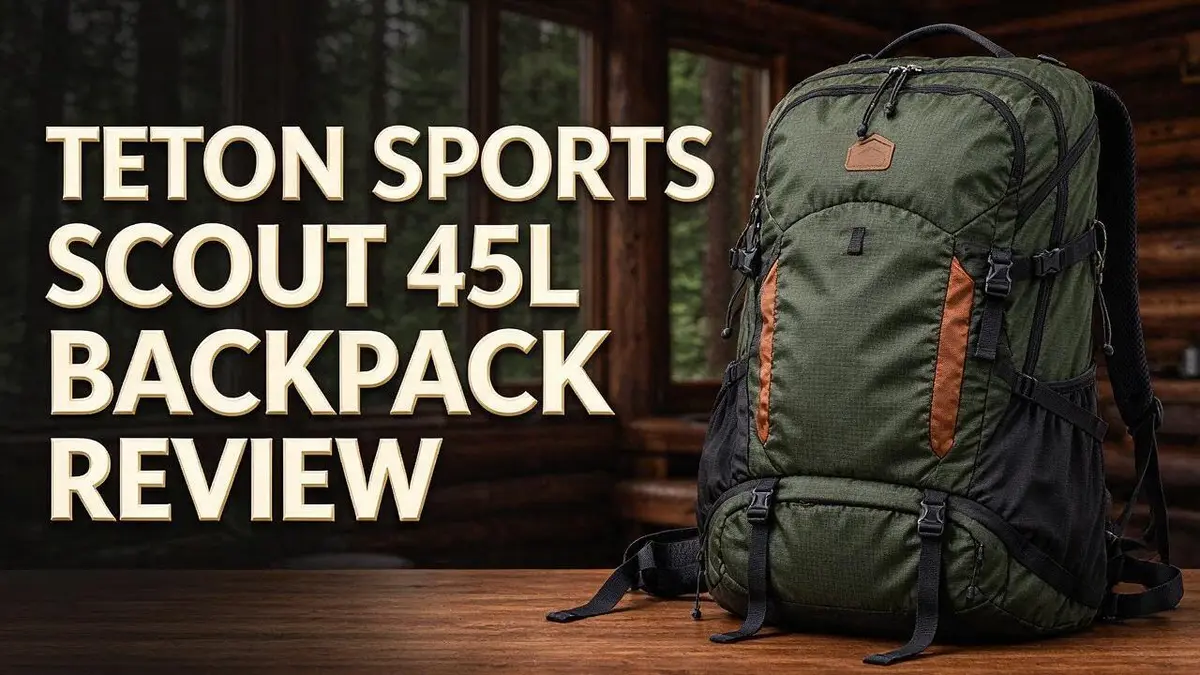
TETON Sports Scout 45L Backpack Review: Is This Worth It?
Do you want a pack that carries your gear without hurting your shoulders? The TETON Sports Scout 45L Backpack aims to do exactly that.
This internal frame pack suits trips lasting several days. It uses ripstop and Oxford fabrics, reinforced stitching, and strong zippers.
The padded, contoured fit adjusts to many body sizes. A ventilated back system helps you stay cooler on the trail.
The black version adds MOLLE webbing and water resistant fabric. Reports also say the pack meets airport carry on size standards.
Is it a great first pack for new hikers? This review looks at durability, comfort, and capacity so you can decide with confidence.
In a Nutshell
-
Strong build: The ripstop and Oxford fabric, reinforced stitching, and heavy duty zippers hold up well on rough trails. Reviewers say the frame stays solid under load.
-
Comfort with weight: The pack carries heavy loads with ease. Its ventilated back system keeps air moving, so your back stays cooler on long climbs.
-
Right size for most trips: At 45 liters, it holds enough gear for several days on the trail without feeling oversized. Beginners will find it easy to pack and manage.
-
Travel friendly: Reports say it meets airport carry on size standards. That makes it handy for hiking trips that involve a flight.
-
One small drawback: Bulky items like bear canisters or tent poles may not fit inside. You will likely need to strap them to the outside.
-
Other options to consider: The Numa 45L sits in the same size class. The Wasing 65L has a similar weight and includes a 3L hydration bladder. TETON also makes 55L and 65L versions if you need more room.
Build and Materials


Last update on 2026-10-31 / Affiliate links / Images from Amazon Product Advertising API Some of the links on this website are affiliate links, which means that at no additional cost to you, I earn a commission if you click through and make a purchase. I only recommend products and services that I believe will add value to my readers. Thank you for your support!
A pack’s materials decide how long it lasts on the trail. Many shoppers focus on size and forget about fabric. The Scout 45L deserves a closer look at its build.
Denier explained: Denier measures how thick the thread is. A higher number usually means a tougher fabric. This pack uses high denier material, so it can handle scrapes from rocks and branches.
Ripstop works like a safety net. Its crosshatch pattern stops a small tear from spreading across the panel. Oxford fabric adds abrasion resistance on the outer walls.
Zippers under pressure: The main zipper carries stress every time you open or close a full pack. Look for smooth teeth and a tight slider. Smooth action protects the fabric around the opening.
Water resistance has limits. The black version sheds light rain well. Heavy storms can still soak through seams. A dry bag or pack liner keeps sleeping gear safe.
MOLLE webbing gives you extra room to customize. Clip on pouches, bottles, or a sleeping pad. Your pack stays streamlined when you leave these items off.
Check the seams after every trip. Stress points sit where straps meet the body. Loose threads there often signal early wear. Fixing them early keeps the pack in shape.
Packing order matters for comfort. Place heavier items close to your back and centered. This keeps the load steady and eases strain on your shoulders.
Care keeps materials strong. Rinse off dirt and grit after muddy hikes. Air dry the pack away from direct sun. Sun can weaken fabric over time.
Grit acts like sandpaper inside zippers and seams, so brushing it out helps. Store the pack loosely in a dry closet between trips rather than compressed.
Overall, the Scout 45L gives a solid material base for regular use. Its fabric choices suit trail work well. Pick the version that fits your trips best.
Suspension, Fit and Comfort
The suspension system decides how a pack feels after three hours on the trail. It moves weight off your shoulders and onto your hips. That shift makes a big difference.
Start with torso length. Measure from the bony bump at the base of your neck down to your hip crest. Then choose the frame size that matches. A pack that sits too high or too low pulls on your back all day.
Once the length fits, the hip belt takes over. Your legs do the heavy lifting when the belt rests on your hip bones. Keep it snug, but not so tight that it pinches.
Next, check the shoulder straps. They should hug your upper body without gaps. Pull the load lifters gently to tilt the top of the pack toward you. This keeps weight close to your spine.
The chest strap comes next. Clip it across your chest to stop the shoulder straps from sliding outward. It spreads pressure across your upper body. Set it at a height that feels comfortable and never rests on your throat.
Warm days call for good airflow. The ventilated back system lifts the pack slightly away from your body. Air moves between your shirt and the frame. Sweat builds up less, so you stay cooler on steep climbs.
Balance matters too. Place heavier items close to your back and near the middle of the pack. Lighter gear belongs at the top or the outer pockets. This keeps your center of gravity steady.
Always test before you leave home. Load the pack with about the weight you plan to carry. Walk up and down stairs or a short hill. Notice any hot spots or pressure points, then adjust the straps until the pack feels settled.
Adjust again during long hikes. Your body shifts as the day goes on. A quick tightening of the hip belt at each rest stop keeps comfort steady. Small changes make a big difference over many miles.
Capacity and Load-Carrying Performance
Capacity sounds simple, but the number on the label only tells part of the story. A 45 liter pack gives room for food, layers, a sleeping bag, and a stove.
The real test is how well it carries that gear once you start walking. The internal frame does most of the work here.
It moves weight from your shoulders onto your hips. This makes long climbs feel lighter. Heavy items should sit close to your back to keep your balance steady on uneven ground.
Many people pack more than they need. A good rule is to keep your pack weight near one fifth of your body weight. Trim extra snacks, spare clothes, and backup tools before you leave home.
Bulky gear is where this pack shows its limits. Bear canisters and long tent poles may not fit inside the main compartment. Plan for external straps or a stuff sack before you reach the trailhead.
Strap bulky items to the outside and check that they do not swing or shift. A loose load can throw off your balance on steep sections.
Trip length should guide your choice. Two or three nights of camping usually fit well in the 45 liter size. Longer treks with extra food and fuel may call for the 55L or 65L models.
Rival packs take a different approach. The Wasing 65L offers more volume and includes a 3L hydration bladder. That bladder helps when water sources are scarce.
Still, a larger pack can feel heavy when it is half empty. Match the size to your real gear list instead of buying more space than you need.
Try a simple test at home. Fill the pack with your usual gear and walk around for twenty minutes. If the pack always feels overstuffed, step up a size. If you keep spare room, the 45 liter version makes more sense.
Top 3 Alternatives
Osprey Farpoint 40

Last update on 2026-11-02 / Affiliate links / Images from Amazon Product Advertising API Some of the links on this website are affiliate links, which means that at no additional cost to you, I earn a commission if you click through and make a purchase. I only recommend products and services that I believe will add value to my readers. Thank you for your support!
The Osprey Farpoint 40 suits travelers and day hikers alike. It has a supportive frame and a comfortable back panel.
Many users love its smart pocket layout, which keeps small items easy to find.
Best for: Travelers who want easy organization.
Kelty Redwing 44

Last update on 2026-10-31 / Affiliate links / Images from Amazon Product Advertising API Some of the links on this website are affiliate links, which means that at no additional cost to you, I earn a commission if you click through and make a purchase. I only recommend products and services that I believe will add value to my readers. Thank you for your support!
The Kelty Redwing 44 offers a friendly fit for everyday hikers. Its padded straps and breathable back panel keep you cool on long walks.
The adjustable torso length helps the pack sit right on your frame.
Best for: Hikers who want comfort on longer trails.
Osprey Kestrel 48

Last update on 2026-10-31 / Affiliate links / Images from Amazon Product Advertising API Some of the links on this website are affiliate links, which means that at no additional cost to you, I earn a commission if you click through and make a purchase. I only recommend products and services that I believe will add value to my readers. Thank you for your support!
The Osprey Kestrel 48 works well for longer adventures. It gives you more room for gear, food, and extra layers.
Its supportive hip belt shares the weight evenly across your body.
Best for: Backpackers who need extra storage space.
Ventilation and Weather Resistance
Long days push your body hard. A cool back keeps your energy steady and reduces fatigue. Smart airflow and careful packing work together for the most comfort.
Sweat builds up fast on a steep climb. The back panel decides how wet your shirt gets. The Scout 45L pairs a ventilated back system with a raised frame. That gap lets moisture escape instead of pooling against your spine.
Tighten the hip belt to keep the pack lifted. A loose belt lets the pack press against your back. Snug it so the frame sits off your body. You will feel cooler, and the load stays stable as you walk.
Pack your gear in dry bags. Even a tough outer shell can let water in during a long storm. Sealed dry bags keep sleeping bags and clothes dry. Place them inside the pack before you start walking.
Use a pack cover when storms roll in. A rain cover adds a second barrier over the whole pack. It protects the MOLLE webbing and straps, which can soak up water and feel heavy on your shoulders.
Keep the zipper line protected in the rain. Water likes to slip along the zipper teeth. Tuck a flap or cover over the seam when you stop. This small habit protects everything inside.
Dry the pack before you store it. Damp fabric can grow mildew and smell sour. Open every pocket and hang the pack in the shade. Long hours in direct sun can also fade bright colors.
Wear moisture wicking layers against your back. Cotton holds sweat and stays cold against your skin. Synthetic or wool layers dry faster and keep you comfortable.
Plan for changing weather. Mountain storms can arrive in minutes. Pack a light rain jacket near the top of the pack where you can reach it fast. Quick access saves time and keeps your gear dry.
Organization, MOLLE Webbing and Carry-On Suitability
The Scout 45L keeps gear simple to manage. Its main compartment holds most of your camp kit in one open space. Divide that space with stuff sacks so items stay easy to find.
Use separate bags for food, clothing, and cooking gear. You can grab one bag without unpacking the whole pack. Label each sack with a marker so you know what is inside.
The black Scout 45L variant adds MOLLE webbing on the outside. MOLLE webbing is a grid of woven loops. You can clip on pouches, carabiners, or a small bag for snacks.
Webbing gives you extra room without opening the main bag. It also works well for items you reach for often, like a water bottle or a headlamp.
Do not overload the webbing. Extra clips add weight and can snag on brush along the trail. Keep attachments light and close to the pack body.
The Scout 45L is reported to meet airport carry on size standards. Airlines set their own limits, so check the rules before you fly.
Pack the bag the way you plan to travel. Tuck the straps in and measure the final size. Compare those numbers with the written rules from your airline, since some airlines measure wheels and outer pockets too.
Other packs in this range need a closer look. The Numa 45L sits in the same size class, so compare its measurements side by side. The Wasing 65L and Teton’s 55L and 65L models often run too large for a strict carry on limit.
A carry on pack should fit the overhead bin with room to spare. The Scout 45L gives you a good starting point for short trips. Test the fit at home, then pack with confidence for your next flight.
Pros and Cons
Pros
– Built to last through many seasons of trail use.
– Fits a wide range of body sizes with its padded, contoured design.
– Heavy-duty zippers stand up to rough handling on the trail.
– Makes a strong first serious pack for new hikers.
– Sturdy frame keeps its shape after years of use.
Cons
– No hydration bladder comes included, unlike some rival packs.
– Less room than the 55L or 65L for longer trips.
– First-time users need time to dial in the fit.
– Fabric is water-resistant, not fully waterproof.
Who Should Buy It
If you plan weekend trips or a few days on the trail, this pack may suit you well. It works for people who want one bag for many kinds of outings.
Overnight campers often find it a good match. This space holds a sleeping bag, a small stove, and enough food for a short stay.
Hikers who carry heavier loads will appreciate the frame. The supportive structure moves weight onto the hips, so the shoulders feel less strain.
The pack also works for day trips to a lake or local park. It suits people who switch between short walks and longer treks.
Gear heavy adventurers should plan ahead. Bulky items like bear canisters or tent poles may need extra straps on the outside.
Shoppers who compare options should look at the Numa 45L, which sits in the same size class. Those who want extra room can consider the Wasing 65L or Teton’s own 55L and 65L models.
Anyone who wants steady comfort on daily treks will like this pack. Adjustable fit settings help most body types feel supported over many miles.
Think about your typical trip before you choose. A pack that matches your real habits will feel better on every hike.
New hikers who want a dependable pack for learning the basics will feel at ease with this model. It rewards careful packing and steady practice.
Teens who are growing fast can use the adjustable fit as they grow. One pack can serve them for several seasons.
This pack suits beginners, weekend hikers, and multi-day adventurers who want a sturdy frame. It may not suit ultralight hikers who count every ounce.
Before you buy, read recent reviews and check the sizing chart. Measuring your torso length helps you find the right fit and avoids discomfort later.
Final Verdict
The TETON Sports Scout 45L earns a confident recommendation from me. It offers a comfortable carry and a frame that handles weight well. Most hikers will enjoy it.
The ventilated back system deserves extra praise. Air moves along your spine on warm days. That keeps you cooler and helps you hike longer.
The pack also feels steady under load. Your shoulders and hips share the weight evenly. You can add water, food, and a sleeping bag without feeling pulled backward.
One small caution remains. Bulky items like bear canisters and tent poles may not fit inside. You may need to strap them to the outside.
Plan for this before you leave home. A few extra straps solve the problem fast.
Who should buy it? Anyone who wants a reliable pack for several days outdoors will feel happy with it. It suits beginners and returning hikers alike.
Who should look elsewhere? Hikers who carry bulky winter gear should check the larger 55L and 65L models from Teton. They give you more room in the same family style.
Wasing 65L
This rival has a similar weight and comes with a 3L hydration bladder. It also offers extra capacity. Choose it if you want both features in one pack.
Take a short practice hike first. Load the pack with the weight you plan to carry. Adjust the straps until the pack sits close to your back. Notice how the ventilation feels after thirty minutes.
A good fit makes any pack feel lighter. This one gives you plenty of room to find that fit.
The Scout 45L is a dependable starter pack with real trail strength. It gives you comfort, durability, and an adjustable fit in one package.
Pack smart, strap the awkward gear, and test the fit at home. Then you can head out with confidence.
Frequently Asked Questions
Can I take the Scout 45L on a plane as a carry on?
Yes, the pack is reported to meet common airport carry on size standards. Always check your airline’s exact size limits before you fly, since rules vary between carriers.
How do I carry bulky gear like a bear canister?
Bulky items can go on the outside of the pack. Use the straps and the MOLLE webbing on the black version to hold extra gear securely. Keep heavy items close to your back for better balance.
Can I use this pack for travel days, not just trail trips?
Many people use it for busy travel days too. The padded back and adjustable straps make long walks through airports or train stations more comfortable. Keep your daily items in the top and front pockets so you can reach them fast.
How do I choose the right size before I buy?
Measure your torso length from the base of your neck to your hip bone. Then compare that number with the sizing guide on the product page. A correct torso fit matters more than the bag’s label size. This helps you avoid sore shoulders and uneven weight.

Hi, I’m Marie Bennett, the founder of PackSmart.blog.
I write about travel essentials and Amazon gear reviews to help you pack smarter and travel lighter.
From must-have accessories to space-saving gadgets, I test and share what truly works on the road.
My mission is to make every trip stress-free and organized for travelers like you.
Join me as I explore smarter ways to travel—one bag at a time.