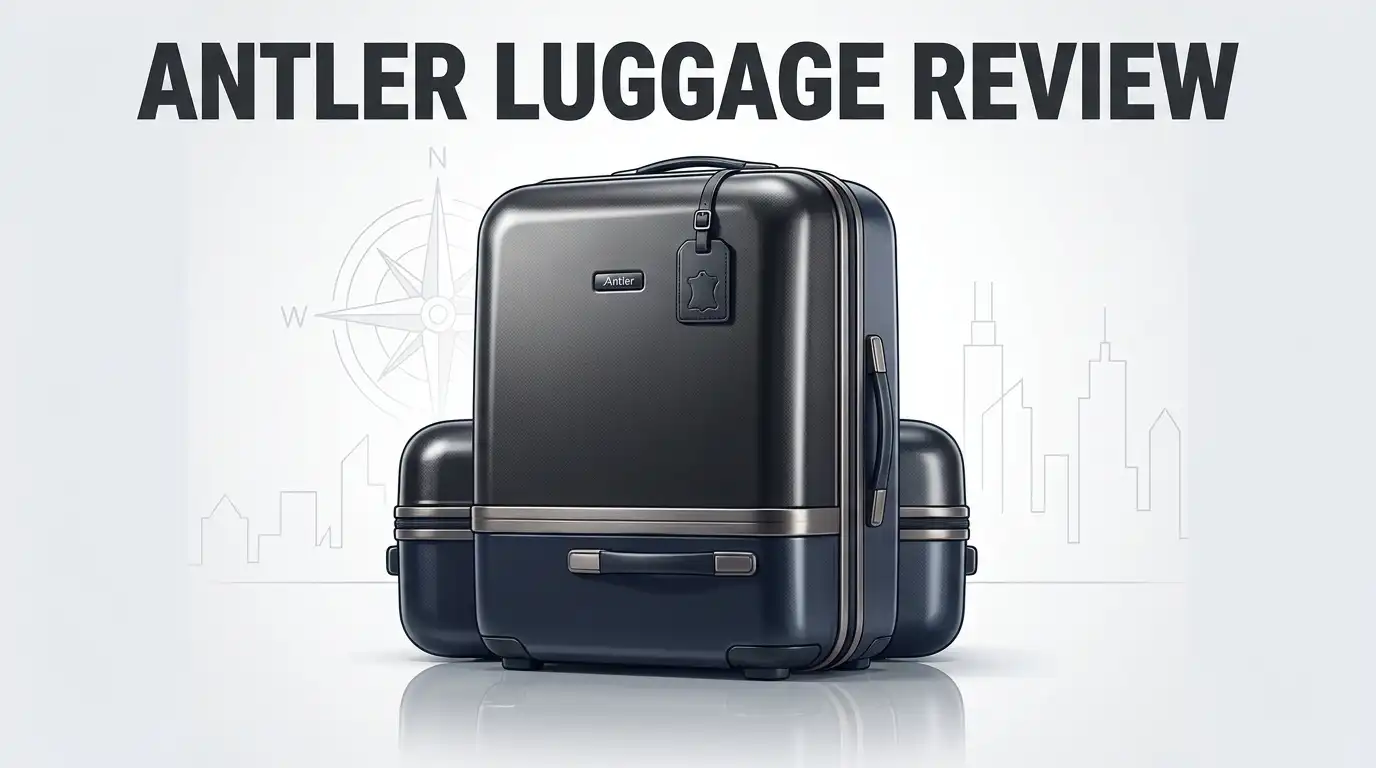
Antler Luggage Review 2026: Is It Worth Buying?
Antler luggage catches the eye of many travelers. It looks sleek. It feels light. But does it hold up on real trips?
This brand promises a lot. Sustainable materials and a 10 year guarantee sound great on paper. Many shoppers want luggage that matches their values without giving up style.
Antler uses recycled polyester for its soft shell cases. Each bag feels almost weightless in your hand. You can pack more without worrying about extra weight fees.
But here’s the twist. Some travelers report a different story once they hit the road. Zippers stick. Fabric wears thin. Cases show damage after just a few trips.
In a Nutshell
- Super lightweight design makes these cases easy to lift and carry, even when packed full.
- Antler backs every case with a 10-year guarantee, showing real confidence in their build.
- Small touches like smart compartments and smooth wheels show thoughtful design throughout.
- Many buyers report zipper failures within the first few trips, which raises real concerns.
- The fabric feels porous and thin, leading to warping and discoloration faster than expected.
- Some cases show signs of falling apart after just four or five uses.
- Compared to Rimowa, Antler feels closer to discount luggage than a premium brand.
- If you travel often, durability issues might outweigh the lightweight and sustainable perks.
- Occasional travelers may find Antler works fine for shorter trips or light use.
Material and Sustainability
Antler’s choice of 100% recycled polyester for its soft shell cases shows a real commitment to the environment. This material diverts waste from landfills and reduces the need for virgin plastic production. If you care about your carbon footprint, this detail matters.
The recycled polyester fabric does feel lightweight and smooth to the touch when new. However, durability is where things get complicated. The material’s porous nature means it absorbs moisture and dirt easily. Users report that cases develop stains and discoloration after just a few trips, even with careful handling.
Warping becomes a problem quickly. The soft shell doesn’t hold its shape well under pressure. When you stack luggage or pack items tightly, the case can bend permanently. This isn’t just a cosmetic issue. Warped cases don’t close properly and put extra stress on zippers, which are already a weak point on Antler luggage.
The sustainability angle is appealing, but it comes with a trade off. Recycled polyester isn’t as durable as polycarbonate or other hard shell materials used by competitors. Antler prioritizes being light and eco friendly over lasting through years of heavy travel.
So what does this mean for you? If you take one or two trips per year and pack carefully, the material might hold up. For frequent travelers or those who check bags regularly, the durability concerns outweigh the environmental benefits. Your luggage will likely need replacing within a few years anyway, which defeats the sustainability purpose.
The 10 year guarantee sounds strong on paper. In practice, many owners struggle to get claims approved when fabrics show normal wear. This gap between the promise and reality is worth considering.
Antler’s material choice reflects good intentions. The execution, however, falls short for most travelers. You get a case that feels nice at first but ages poorly. Consider whether the environmental aspect justifies accepting shorter lifespan compared to more durable alternatives.


Last update on 2026-08-06 / Affiliate links / Images from Amazon Product Advertising API Some of the links on this website are affiliate links, which means that at no additional cost to you, I earn a commission if you click through and make a purchase. I only recommend products and services that I believe will add value to my readers. Thank you for your support!
Weight and Portability
Antler luggage shines when it comes to how much you can actually carry without breaking your back. The carry on models weigh between 4.19 and 5.6 pounds, which puts them among the lightest options available. This matters because every ounce counts when you’re rushing through an airport or lifting bags into overhead bins.
The cabin bag holds 37 liters of stuff. The medium size expands from 75 liters to 83 liters if you need extra room. These capacities work well for most travelers because you get decent storage without the bulk that heavier luggage brings.
Portability goes beyond just weight though. Smooth wheels make rolling these cases smooth and quiet through terminals. The handles feel comfortable to grip, even during long walks. You won’t experience arm fatigue that you might get with traditional hard shell luggage. This matters on those days when you’re moving between gates or walking through parking lots.
Here’s where things get tricky. The soft shell design keeps weight down, but it sacrifices durability. The fabric feels thin and porous rather than sturdy. After just a few trips, owners report that cases start to warp and lose their shape. This happens because the material doesn’t hold up well under pressure or rough handling by baggage crews.
The portability advantage fades fast if your luggage falls apart. A lightweight bag that’s broken isn’t useful anymore. You end up replacing it sooner than expected, which defeats the purpose of buying luggage in the first place.
If you travel light and handle your bags with care, the weight advantage makes sense. The easy maneuverability works great for solo travelers or people who pack efficiently. However, if baggage handlers toss your case around or you need something that survives multiple trips per year, the lightweight construction becomes a liability rather than a benefit.
Design and Storage Capacity
Antler’s design philosophy centers on one clear goal: keeping your luggage light without sacrificing storage space. The cabin bag holds 37 liters, while the medium option expands from 75 liters to 83 liters when you need extra room. This means you get genuine packing flexibility.
The carry-on dimensions measure 21.7 × 13.8 × 9.1 inches, fitting standard airline requirements without fuss. The soft shell construction uses 100% recycled polyester, which contributes to the overall lightweight feel. You’ll notice the difference immediately when lifting a packed case.
Smart compartments and smooth wheels show real attention to how travelers actually use luggage. Antler didn’t just shrink other bags and call it a day. The brand included thoughtful touches that make packing and moving your case easier in airports and hotels.
Here’s what matters most: the design choices create genuine portability. A lightweight bag that stays organized makes travel less stressful. You can move through crowded terminals without arm strain, even with a full load.
However, storage capacity means little if the bag fails you. This is where Antler’s design reveals its weakness. The soft shell doesn’t hold its shape under pressure, which affects how much you can realistically pack before things shift around. The fabric feels porous and thin, leading to warping that reduces usable space over time.
The design looks clean and modern when new. Buyers appreciate the aesthetic appeal initially. Unfortunately, discoloration and structural issues appear quickly, making even newer bags look worn after just a few trips.
The expandable medium option sounds practical on paper. In reality, the expanding feature puts extra stress on already fragile zippers and seams. Many users report these areas fail first, defeating the purpose of extra capacity.
Antler prioritizes minimalist design and lightweight construction above durability. If you pack light and travel occasionally, the design works. The compartments stay organized, and you’ll appreciate not lugging heavy luggage around. For frequent travelers or anyone packing full loads, the design’s weaknesses become apparent quickly.
Top 3 Alternatives
Away Carry-On Luggage

Last update on 2026-08-06 / Affiliate links / Images from Amazon Product Advertising API Some of the links on this website are affiliate links, which means that at no additional cost to you, I earn a commission if you click through and make a purchase. I only recommend products and services that I believe will add value to my readers. Thank you for your support!
Away makes carry-on bags that focus on simplicity and smart features. Their bags come with built-in USB ports, so you can charge your phone while traveling. The exterior is durable polycarbonate, which resists scratches and dents during airport handling.
Rimowa Essential Cabin

Last update on 2026-08-06 / Affiliate links / Images from Amazon Product Advertising API Some of the links on this website are affiliate links, which means that at no additional cost to you, I earn a commission if you click through and make a purchase. I only recommend products and services that I believe will add value to my readers. Thank you for your support!
Rimowa Essential offers a lightweight option for frequent flyers. These bags use polycarbonate shells with the brand’s signature groove pattern. The grooves serve a purpose—they make the luggage more flexible and resistant to impact damage.
Samsonite Omni 2 Hardside
No products found.
Samsonite Omni 2 provides a budget-friendly alternative without sacrificing essential features. The hardside shell protects your belongings from crushing and rough handling. This luggage includes a TSA-approved lock for security at checkpoints.
Durability and Longevity
Antler’s durability track record reveals a significant gap between marketing promises and real world performance. The 10 year guarantee sounds reassuring, but customer experiences tell a different story.
The core problem lies in material choice. While 100% recycled polyester supports environmental goals, it creates structural weakness. The fabric becomes porous and thin, making it vulnerable to damage. Travelers report warping and discoloration appearing after just four or five trips. This happens even with normal use and careful packing.
Zipper failures compound the durability issue. Multiple users describe zippers breaking or jamming early in the luggage’s life. When a zipper fails, the entire bag becomes unreliable. You cannot safely store your belongings. This defect alone makes the 10 year guarantee feel hollow.
The soft shell construction doesn’t hold its shape under pressure. Your bag loses its form quickly, especially when packed fully. This warping affects both appearance and function. Wheels may misalign as the frame shifts. Compartments lose their structure. What looked neat and organized becomes a drooping, misshapen mess.
Some cases literally fall apart with minimal use. Seams separate. Handles detach. The overall construction feels flimsy compared to competitors in similar categories. Users familiar with other luggage brands describe Antler as feeling like discount luggage despite the marketing positioning.
The lightweight advantage disappears fast if your bag breaks down mid trip. A damaged suitcase strands you in a difficult situation. You may need emergency repairs or replacements. The initial portability benefit becomes irrelevant.
However, context matters here. If you travel once or twice yearly and handle your bags gently, Antler luggage might survive your trips. Light packers with careful habits report better results. The material does hold up better under minimal stress.
For frequent travelers or anyone checking bags regularly, durability concerns outweigh the lightweight benefits. The combination of weak zippers, porous fabric, and poor shape retention creates reliability problems. You need luggage you can trust, especially when traveling internationally or for extended periods. Antler’s current durability performance makes it a risky choice for serious travelers.
Warranty and Customer Support
Antler backs its luggage with a 10-year guarantee. This coverage period sounds impressive at first glance. You get a full decade of protection against defects in materials and workmanship.
Here’s what the guarantee actually covers. Manufacturing flaws fall under protection. Broken zippers, seam separation, and structural failures qualify for claims. Wheels that stop rolling also get replaced or repaired. The company handles most issues without requiring proof of purchase if your receipt is available.
The catch appears when you read the fine print. Normal wear and tear doesn’t count as covered damage. This distinction matters because Antler luggage shows signs of wear quickly. Discoloration after just 4 to 5 trips may fall outside the guarantee scope. The porous fabric doesn’t age gracefully, so you’ll need to argue whether fading counts as defect or normal use.
Customer support responsiveness varies by region. Antler operates primarily in Australia and the UK, with expanding presence elsewhere. Response times typically range from 24 to 48 hours for warranty inquiries. Email support works better than phone lines for most customers. The company does process legitimate claims, but the process takes weeks rather than days.
Many travelers report frustration with the warranty experience. Proving that a zipper failure happened within the guarantee period requires documentation. Antler asks for photos and purchase records. Some customers waited over a month for replacement parts. Others found that repair costs approached the price of new luggage, making the guarantee feel hollow.
The real issue surfaces here: the guarantee doesn’t prevent the problems you’ll face. Your bag may technically qualify for repairs under the 10-year coverage. But if your luggage fails during a trip, the guarantee doesn’t help you in that moment. You still need functional luggage immediately. The lengthy claim process means you’re without a bag while waiting for resolution.
For peace of mind, this guarantee works best if you have backup luggage at home. Frequent travelers should factor in this reality when considering Antler as their primary option.
Pros and Cons
Pros
- Weighs just 4.19–5.6 lbs, making it genuinely easy to carry through airports and train stations
- Made from 100% recycled polyester, so you reduce your environmental footprint with each trip
- Clean, modern design with thoughtful compartments and smooth wheels that work well in practice
- Comes with a 10-year guarantee for peace of mind
Cons
- Zippers fail quickly and porous fabric shows wear after just 4–5 trips, even with careful handling
- Soft shell construction warps and discolors easily, and some cases literally fall apart with minimal use
- The lightweight advantage disappears fast if your bag breaks down mid journey, leaving you stranded
- Warranty coverage has gaps; customer support responsiveness varies by region, and the guarantee doesn’t prevent the durability problems you’ll actually face
Who Should Buy It
Antler luggage works best for specific traveler types. Let’s break down who should actually buy it.
Occasional leisure travelers make the ideal customer. If you take one or two trips per year and don’t check bags often, Antler’s lightweight design shines. You’ll appreciate carrying it through airports without strain. The modern aesthetic also means your luggage looks good in photos at your destination.
Eco conscious travelers find real value here. The 100% recycled polyester construction appeals to people who prioritize sustainability. Every trip uses materials diverted from landfills. This matters if environmental impact influences your purchasing decisions.
Travelers with backup luggage at home can manage Antler’s durability gaps. If a zipper fails or the soft shell warps during a trip, you have alternatives waiting. This safety net removes much of the frustration. You won’t feel stranded with a broken bag.
Short distance travelers avoid the worst problems. Weekend getaways to nearby cities work fine. You’re not subjecting the bag to the wear and tear of international flights or multiple connections. Local trips mean fewer handling incidents at baggage claim.
Minimalist packers succeed with Antler bags. If you travel light and don’t overload your luggage, the soft shell holds up better. Heavy packing accelerates warping and zipper stress. Packing smart extends the bag’s lifespan significantly.
Travelers in Australia and the UK benefit most from the 10 year guarantee. Customer support responsiveness improves in these regions. You’ll actually get help if problems arise. International customers face more friction with warranty claims.
People who don’t check bags eliminate the biggest durability risk. Carry on luggage experiences less rough handling. You maintain control throughout your journey. This dramatically improves real world performance compared to checked bag scenarios.
Antler works for people matching these profiles. The lightweight advantage and sustainable materials genuinely matter for these specific travelers. However, if you fly frequently, check bags regularly, or take multiple international trips yearly, look elsewhere. Your needs outpace what Antler’s construction can reliably deliver.
Final Verdict
So, is Antler luggage worth buying? The answer depends on your travel style.
If you travel occasionally and treat your luggage gently, Antler makes sense. It looks sleek, feels light, and supports eco friendly choices.
If you’re a frequent flyer who checks bags often, this brand may disappoint you. Reports of broken zippers and warped shells are common among heavy users.
We think Antler sits in a strange middle ground. It promises quality through its guarantee, but real world durability tells a different story.
Should you buy it? Ask yourself one question first. How often do you actually travel?
Casual travelers taking a few trips per year will likely enjoy Antler’s design and comfort. Frequent travelers may face repeated frustration and repair cycles.
Compared to Rimowa, Antler offers a lighter and more colorful option. However, Rimowa holds its shape better over years of heavy use.
If long term toughness matters most to you, Rimowa remains the safer bet. If style, weight, and sustainability matter more, Antler still earns a spot on your shortlist.
Our final take: Antler works well as a secondary bag, not your only bag. Keep it for short trips, weekend getaways, or occasional flights.
Avoid relying on it as your primary suitcase if you travel weekly or check bags often. The risk of failure grows with every trip.
In short, Antler luggage delivers real value for the right traveler. It’s a stylish, eco conscious pick for light packers and casual explorers.
But it’s not the toughest companion for demanding, high mileage journeys. Choose wisely based on how hard you plan to push it.
Bottom line: Antler impresses with looks and comfort but falls short on long term resilience. Match your expectations to your travel habits, and you’ll likely be happy with your choice.
Frequently Asked Questions
How long does Antler luggage actually last?
Antler bags show wear after 4–5 trips. The soft shell material warps and discolors quickly. Zippers fail early, even with normal use. Some travelers report cases falling apart with minimal handling. The 10-year guarantee sounds great, but real-world durability doesn’t match that promise. If you travel occasionally, you’ll get decent use. Heavy travelers face problems much sooner.
Is Antler luggage good for checked baggage?
Not really. The porous fabric and weak zippers make checked baggage risky. Airport handling stresses the soft shell construction. Discoloration and warping happen faster when your bag goes through conveyor systems. Antler works best when you carry your bag on. This avoids the worst durability issues. If you must check bags often, look elsewhere.
Does Antler luggage feel sturdy?
No. The bags feel flimsy compared to competitors. The lightweight design comes at a cost. Materials feel thin and fragile. Many users describe them as comparable to discount luggage. The lightweight advantage disappears if your bag breaks mid-journey. You want luggage that feels solid and trustworthy during travel.
Should I buy Antler or Rimowa instead?
Choose based on your priorities. Rimowa costs more but lasts longer. Antler offers lighter weight and more colors. Rimowa suits frequent travelers who check bags. Antler works better as a secondary bag for occasional trips. Both come with long guarantees. Rimowa’s durability record is stronger. Pick Antler if sustainability and light weight matter most to you.
Hi, I’m Marie Bennett, the founder of PackSmart.blog.
I write about travel essentials and Amazon gear reviews to help you pack smarter and travel lighter.
From must-have accessories to space-saving gadgets, I test and share what truly works on the road.
My mission is to make every trip stress-free and organized for travelers like you.
Join me as I explore smarter ways to travel—one bag at a time.