Bagail Compression Packing Cubes Review 2026: Are They Worth Packing?
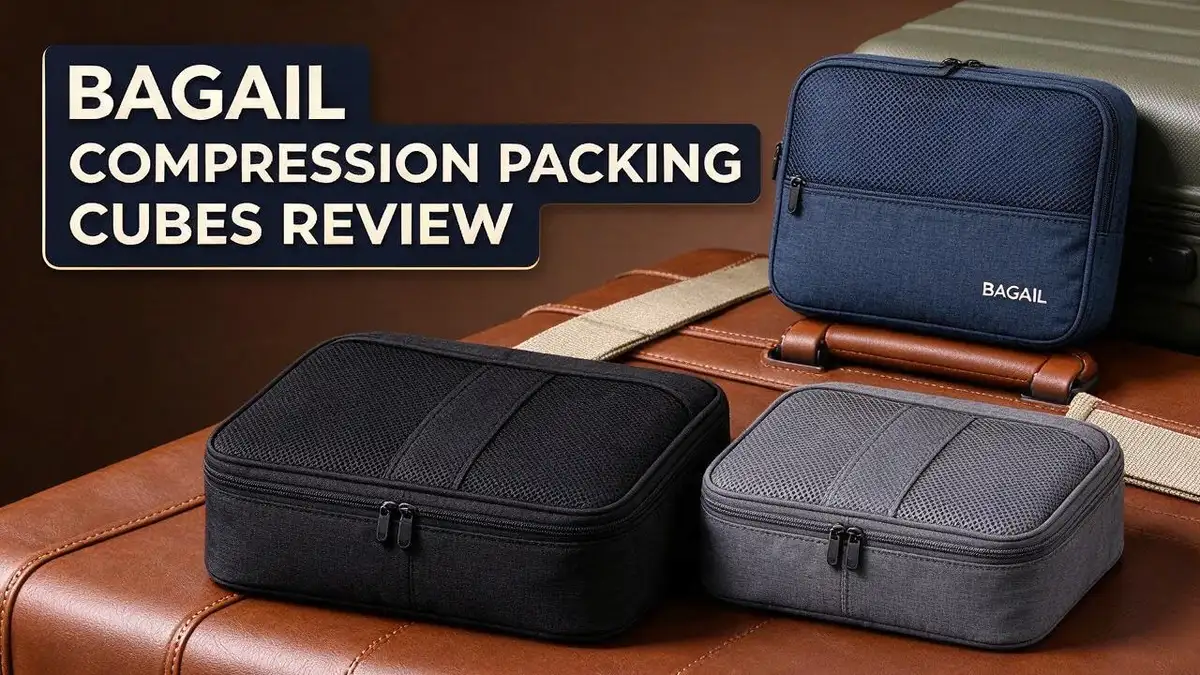
Packing a suitcase should feel easy. Yet clothes often end up crushed, messy, and hard to find. Bagail Compression Packing Cubes aim to fix that problem. They squeeze your clothes into flat, neat stacks and free up extra space in your bag.
The cubes use high density 320D fabric that resists wear and tear. They also protect your clothing from wrinkles and stains. Every size has reinforced handles, so you can carry the cubes and pull them out of your luggage with ease.
More than 100K customers have rated them 4.6 stars. That is a strong sign of trust. In this review, we look at how the cubes work, what they offer, and who should buy them.
In a Nutshell
- Easy organization: The cubes come in multi piece sets, including sets of 4 and 6. Each cube holds one type of clothing, so you find items fast.
- Light on your luggage: The cubes are ultralight. They add almost no weight to your bag, which helps you stay under airline limits.
- Simple to carry and remove: Every size has reinforced handles. You can pull a full cube out of a tight suitcase with ease.
- Clothing protection: The cubes help guard your outfits from wrinkles and stains. Your clothes look fresh when you arrive.
- Possible drawback: The research shows no Bagail specific complaints. Still, low quality compression bags can leak or split at the seams. Check the stitching after your first trip.
- Our verdict: These cubes suit travelers who want order and extra space in one bag. Families, weekend packers, and frequent flyers will likely enjoy them.
Fabric and Build Quality

Last update on 2026-10-27 / Affiliate links / Images from Amazon Product Advertising API Some of the links on this website are affiliate links, which means that at no additional cost to you, I earn a commission if you click through and make a purchase. I only recommend products and services that I believe will add value to my readers. Thank you for your support!
Fabric is only part of the story. The build decides how well your cubes handle daily trips. Here is what matters most.
Seams need a close look. Compression bags often fail where stitching meets the fabric. Weak seams can leak or split under pressure. Strong, even stitching keeps your clothes safe inside.
Shape matters too. When you compress a full cube, the fabric pulls in every direction. A well built cube keeps its form, so it fits neatly in your suitcase every time.
Think about where you travel, too. Rough baggage handling can stress every part of a bag. A sturdy build gives you peace of mind on busy routes and crowded connections.
Frequent travelers face extra wear. Packing and unpacking adds constant zipping and squeezing. Materials that handle repeated use last longer. That makes them a better long term choice for regular trips.
Touch the material and notice its weight. A dense weave feels firm yet light in your hands. This balance helps your suitcase stay within airline weight limits.
Check the build before you commit. Look for flat seams, smooth zippers, and a clean finish. These signs often point to careful manufacturing and better long term performance.
Care also extends the life of your cubes. Wipe the fabric with a damp cloth. Avoid harsh cleaners that can weaken the material. Let the cubes air dry fully before storing them away.
Overall, the build feels solid for everyday travel. Pair that strength with smart packing habits, and your cubes can serve you trip after trip. Few travel accessories offer that kind of reliability.
Compression Performance and Space Savings
Compression is where these cubes really earn their place in your bag. Once you zip a cube closed, you press out the extra air. Soft clothes then shrink into a much tighter bundle.
Rolling works well for shirts and socks. Fold pants and jackets flat, then roll the thinner pieces on top. This layout keeps the bundle slim and easy to slide into gaps.
Leave a little room inside each cube. Overstuffing can strain the zipper and push seams past their limit. A loose fill still gives you a neat stack and plenty of savings.
Think about the size of each cube, too. Smaller cubes fit tight corners and side pockets. Larger cubes hold bulky sweaters or a pair of jeans without much fuss.
Stack cubes like building blocks. Place the flattest cube at the bottom and the bulkiest one on top. Your suitcase then closes evenly and stays firm during the trip.
Test the compression before you leave home. Pack one cube, press it down, and check how much air comes out. This quick test shows whether the fill level feels right.
Mix compressed and loose items wisely. Keep shoes, toiletries, and fragile items outside the cubes. Compression works best on soft fabrics that bounce back well after travel.
Space savings add up fast on longer trips. Many travelers gain room for souvenirs on the way home. That extra space can make a carry on feel much lighter.
Watch the weight limit too. Compression shrinks the volume but not the weight of your clothes. Airlines still count every pound, so weigh your bag before you leave.
Handles, Zippers and Ease of Use
Handles and zippers decide how easy these cubes feel on a busy trip. You want a bag that lifts smoothly and opens without a fight.
Start with the handle when you lift a full cube. Hold it with your whole hand, not just your fingertips. A good grip keeps the weight balanced.
Test the handle while the cube sits in your suitcase. Pull it from the middle of the bag and see if it slides out cleanly.
Zippers matter just as much as handles. Smooth zippers glide without snagging the fabric. Run the pull tab along the full length before you start packing.
Open each cube fully before you add clothes. This habit keeps the teeth aligned. A slight twist can jam a zipper if the fabric bunches.
Compression makes zipping harder, so plan your steps. Press down on the top layer first. Then pull the zipper slowly around the corners.
Ease of use also depends on how the cubes sit in a suitcase. Use the handles to pull a cube out first, then unzip it on a flat surface.
Quick access helps when you need one outfit fast. Pull out one cube at the hotel and leave the rest packed.
Practice a few times at home before the trip. You learn the rhythm of the zipper and the feel of the handles. Repeat the steps until they feel natural.
Check the zipper pulls too. Pulls should feel sturdy in your fingers and not flimsy. Larger pulls also help when you open a cube in a dark hotel room.
Overall, good handles and smooth zippers make these cubes simple to use every day.
Top 3 Alternatives
Tortuga Packing Cubes

Last update on 2026-11-17 / Affiliate links / Images from Amazon Product Advertising API Some of the links on this website are affiliate links, which means that at no additional cost to you, I earn a commission if you click through and make a purchase. I only recommend products and services that I believe will add value to my readers. Thank you for your support!
Tortuga Packing Cubes help you stay organized on any trip. Many travelers like the lightweight mesh panels because they show what is inside.
The set includes several sizes. You can sort clothes, shoes, and toiletries with ease.
Compression is simple to use. Press down on the top panel and zip it closed.
Bagsmart Packing Cubes
No products found.
Bagsmart Packing Cubes focus on value and versatility. Their durable nylon build holds up well during frequent travel.
Some models have clear windows. Users can spot their items fast.
The compression feature works well for bulky sweaters and jackets. You can squeeze out extra air in seconds.
Eagle Creek Pack-It Specter

Last update on 2026-11-17 / Affiliate links / Images from Amazon Product Advertising API Some of the links on this website are affiliate links, which means that at no additional cost to you, I earn a commission if you click through and make a purchase. I only recommend products and services that I believe will add value to my readers. Thank you for your support!
Eagle Creek Pack-It Specter cubes bring a polished look to your luggage. The ripstop fabric resists tears and wear.
The cubes fold flat when empty. This saves space in your bag before your trip.
They suit travelers who want structure and durability. Each cube keeps clothes neat, so you spend less time digging through your bag.
Set Sizes and Packing Capacity
Set size shapes how much you can pack. Bagail sells these cubes in multi-piece sets, and buyers often choose between a 6-piece set and a set of 4. Each option suits a different kind of trip.
A 6-piece set gives you more ways to organize. You can separate tops, pants, underwear, and workout gear into their own cubes. This works well for longer trips or for anyone who likes a clear system for every bag.
A set of 4 keeps things simple. It fits weekend getaways and carry-on bags with less room. Fewer cubes also means less to carry and less to track during the trip.
Start by counting your outfits. Then decide how many cubes you need to hold them without crowding each one. Packing capacity grows with each added cube, but only if your suitcase has room to match.
Mixing cube sizes helps too. Larger cubes hold bulky sweaters, jeans, and jackets. Smaller cubes work well for socks, underwear, and chargers. A varied set helps you fill the gaps in your suitcase instead of leaving empty corners.
Measure your luggage first. Check the inside dimensions of your suitcase before you decide on a set. Lay the cubes flat and see how they fit side by side. A good match means less wasted space and a neater packing layout.
Think about your travel habits, too. If you pack for a business trip one week and a beach holiday the next, a larger set gives you flexibility. If you mostly travel light, a smaller set may be all you need. Choose the set that matches your typical trip, not your rare one.
Wrinkle and Stain Protection
Wrinkles and stains can ruin a good outfit before you reach your destination. Bagail packing cubes help guard your clothes against both problems.
The cubes are made from high density 320D fabric. This sturdy material keeps your clothes wrapped in a protective shell.
Fabric that resists wear also means less rubbing inside your suitcase. Clothes that stay still tend to crease less.
Stains often come from the outside world, like spilled drinks or dirty floors. A closed cube creates a barrier between your clothes and the rest of your bag.
Think of each cube as a clean zone. Store only freshly washed clothes inside, and keep dirty laundry in a separate bag. This habit stops a small spill from spreading to your whole wardrobe.
Wrinkles respond well to good folding. Fold shirts neatly before you place them in the cube. Smooth out collars and sleeves first, so the fabric lays flat.
Give each item a little space. Packing too tightly can press creases into fabric. A light fill lets clothes rest without stress.
Check the cube before every trip. Look for loose threads, dirt, or moisture on the fabric. Wipe the surface with a dry cloth and let it air out fully.
Store your cubes in a cool, dry place at home. Damp storage can invite mildew and odors that cling to clothes. Dry cubes protect your outfits best.
Overall, these cubes give your clothes a solid defense against creases and spills. Good habits and simple care make the biggest difference. Your clothes arrive looking fresh and ready to wear.
Durability and Seam Strength
Fabric is only part of the story. Seams decide how long a packing cube lasts. Every trip tests where the stitches meet.
Compression adds pressure to every stitch. Squeezing out air pulls the panels tight, so the corners carry the most stress.
Corners and seam ends need the closest look. Run your fingers along each edge before you buy or pack.
Look for even, tight stitching with no loose threads. Gaps or puckers often signal a weak spot that could split under load.
Extra stitching at stress points adds protection. It helps the bag hold up when you cram in heavy jeans or jackets.
Poorly made compression bags carry a real risk. Weak seams may leak or split, so clothes can spill out during a trip.
The Bagail set has strong reviews on this front. Over 100K ratings average 4.6 stars, which suggests steady build quality.
Real world use tells the rest of the story. Test one cube with a full load before a long journey.
Check the seams again after a few trips. Small tears grow fast, so fix them early.
Let the cubes rest between trips. Keeping them compressed for weeks can stress the seams over time.
Wash and dry cubes fully before storage. Trapped moisture can weaken thread and fabric.
Pack with care on the final day too. Overstuffing a cube adds strain right before you zip it shut.
Inspect each cube after every trip. Quick checks catch problems before they grow.
Strong seams mean fewer replacements. That keeps your suitcase organized for many trips to come. Fewer surprises mean less stress at the airport.
Pros and Cons
Pros
– Ultralight build keeps your bag weight low for airline limits.
– Compression shrinks bulky sweaters and jackets so you fit more inside.
– Compressed cubes stop clothes from shifting during bumpy rides.
– Clothes stay sorted by day, so you find items fast at each stop.
Cons
– Compressing every cube takes extra time at the start of each trip.
– Overfilling one cube can strain seams and zippers.
– Clothes need a few minutes to fluff up after you unpack them.
Who Should Buy It
Frequent travelers who move between cities every week often need order more than anything else. This set suits people who live out of a suitcase for days at a time.
Families packing for several people can benefit too. Parents can give each child one cube, so kids find their own clothes fast. Teens who want more independence can manage their own cube too.
Business travelers who pack shirts and suits should look closely at the set. A set of four fits short work trips, while a set of six handles longer stays.
Weekend trip planners may only need a small set. Four pieces can cover a trip of two nights without filling a full suitcase.
People who hate unpacking often love this setup. Each cube can go straight into a hotel drawer, so the room feels settled within minutes.
Students moving into dorms or first apartments also make good candidates. They gain a simple way to organize clothes in tight spaces.
Hikers on multi-day trips can separate dry layers from damp ones. Keeping them apart helps every night feel fresh.
Occasional travelers may find less use here. If you take one trip a year, a basic pack may serve you well.
Think about your daily routine too. Choose this set if you value speed and calm at every stop. Skip it if your trips rarely involve more than a few outfits.
In short, this set fits people who value order and speed. It also suits anyone who wants clothes to stay neat during a busy travel season, from spring breaks to long summer tours.
Final Verdict
The Bagail Compression Packing Cubes earn a clear recommendation from me. They solve the main packing problems most travelers face. They also keep clothes protected on the road.
The research backs this up. Reinforced handles on every size make it easy to pull a cube out of a tight suitcase. You grab one cube and leave the rest in place.
Protection stands out as another strength. The cubes help shield clothing from wrinkles and stains. Your outfits arrive in better shape, and you spend less time fixing them.
The set also comes in several pieces. You can sort shoes, shirts, and underwear into separate cubes. That setup keeps your bag neat and easy to search.
I found no Bagail specific complaints in the research. Still, treat the set with care. Pack each cube sensibly and avoid forcing every zipper shut.
Here is my quick summary:
- Strength: Strong customer feedback and handy carrying handles
- Strength: Clear separation of clothing types
- Watch point: Overstuffing can stress any compression bag
That list shows a product with more upsides than risks. The 4.6 star average from over 100K ratings adds real confidence.
My final advice is simple. Pick the set size that matches your usual trip length. Start with a trial packing session at home. Then take the cubes on your next adventure.
The bottom line: Bagail delivers a smart, dependable way to pack. If you want a tidier suitcase and fresher clothes on arrival, this set deserves a spot in your luggage.
Frequently Asked Questions
Will these cubes fit my cabin bag?
Most cabin bags fit a set of four or six cubes without trouble. Measure your bag before you order. Start with fewer pieces if you want extra room for shoes or a toiletry case.
How do I clean the cubes after a trip?
Wipe the fabric with a damp cloth after each trip. Let each cube dry fully before you store it. Keep them away from direct heat so the fabric stays firm and fresh.
Can I pack shoes or wet swimwear inside?
The fabric resists wear, but it is not a sealed bag. Place shoes in a separate pouch so dirt stays off your clothes. Keep wet swimwear in a plastic bag so moisture stays away from dry items.
Where should I store the cubes at home?
Store them flat in a drawer or on a closet shelf. Avoid leaving clothes compressed for months. Long storage can stress the seams over time, so unzip the cubes between trips.
Should I check the zippers before a trip?
Yes, run each zipper once before you pack. A smooth zipper protects your clothes and saves time at airport checks. Catch small snags early so they do not grow into tears.

Hi, I’m Marie Bennett, the founder of PackSmart.blog.
I write about travel essentials and Amazon gear reviews to help you pack smarter and travel lighter.
From must-have accessories to space-saving gadgets, I test and share what truly works on the road.
My mission is to make every trip stress-free and organized for travelers like you.
Join me as I explore smarter ways to travel—one bag at a time.