Peak Design Travel Backpack Review 2026: Still Worth It?
Are you tired of backpacks that fall apart after one trip? The Peak Design Travel Backpack promises something different. It claims to survive years of hard travel while keeping your gear organized.
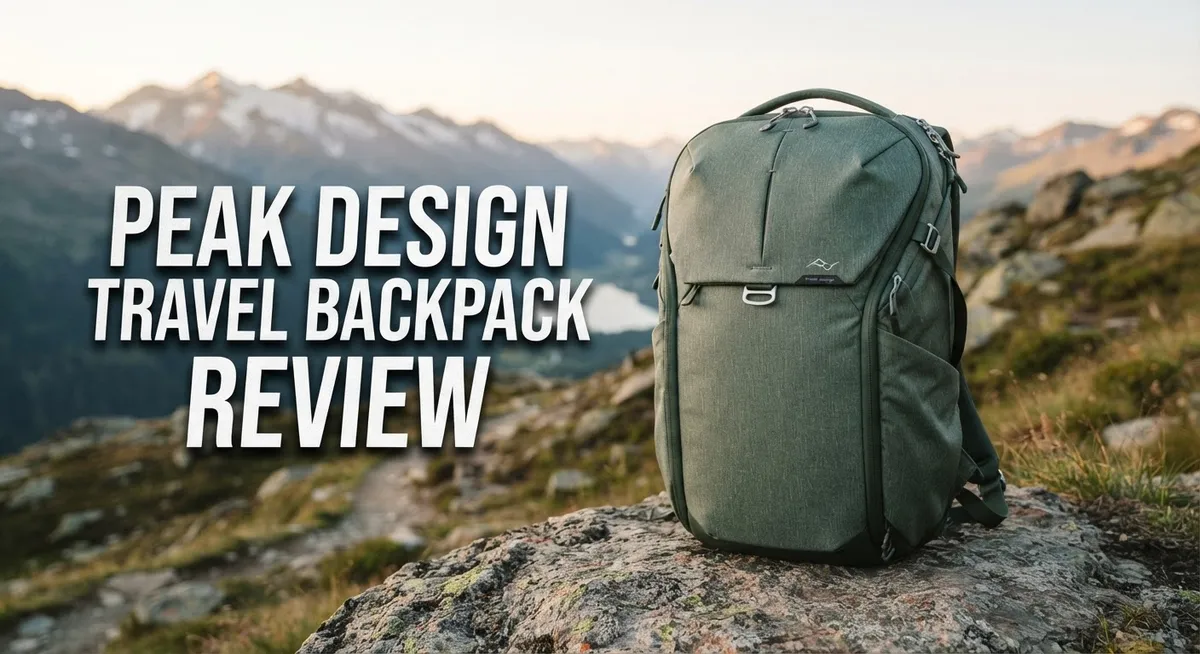
This bag comes in three sizes. You can pick 20L, 30L, or 45L depending on your trip length. Each size uses tough 400D recycled nylon on top and 900D waterproof nylon on the bottom.
That combo means this backpack fights off rain and rough handling. It also works perfectly with Peak Design’s Packing Cubes and Camera Cubes. So your items stay neat and easy to find.
In a Nutshell
- Three size options (20L, 30L, 45L) fit almost any trip length. You pick the size that matches your travel style.
- The build uses 400D recycled nylon on top and 900D waterproof nylon on the bottom. This mix handles weather and rough handling well.
- Organization is a highlight. The interior gives you space and smart compartments for gear.
- Access points make grabbing items fast and easy. You will not dig through layers to find your charger.
- On the downside, the side handles feel stiff. Some users find them awkward to grip during quick lifts.
- The laptop flap uses velcro, which feels like an odd choice on such a premium bag.
- This backpack pairs well with Peak Design Packing Cubes and Camera Cubes for extra organization.
- Compared to rivals like Thule and Chrome, this bag leans more toward photographers and gear heavy travelers.
- It may feel like too much backpack for someone who just wants a simple daypack.
Build Quality and Materials
The Peak Design Travel Backpack uses materials built to last. The top panel features 400D recycled nylon, which resists scratches and light wear. The bottom section steps up to 900D waterproof nylon, adding serious protection where bags take the most abuse.
This two tier material approach shows smart engineering. Heavier nylon sits where your bag touches ground and gear presses hardest. Lighter recycled nylon keeps the upper sections flexible and breathable. The waterproof bottom layer stops rain and spills from soaking your belongings.
The stitching deserves attention too. Peak Design reinforces stress points with bar tacks and double stitching. Seams appear tight and even throughout. After extended use, the bag shows minimal fraying or loose threads. The zippers feel smooth and solid, gliding without catching fabric.
The harness system uses padded straps with breathable mesh backing. The back panel includes a thin foam layer for comfort. However, extended wear sessions reveal some weight, especially in the 45L model. Loaded fully, this backpack feels substantial on your shoulders.
Side handles present a mixed picture. The nylon webbing is durable, but the handles themselves feel stiff and uncomfortable to grip. They work fine for brief carries, yet longer hauls make them feel awkward. This seems like an odd compromise on an otherwise well designed bag.
The laptop compartment uses velcro straps instead of zippers. This choice feels out of place on a premium pack. Velcro can wear down over time and feels less secure than traditional closures. The design works, but it raises questions about consistency in material choices.
Overall build quality ranks high. The bag withstands rough airport handling and daily commutes without visible damage. The lifetime durability guarantee reflects Peak Design’s confidence in their materials. For photographers and gear focused travelers, this durability justifies the engineering choices. Casual users might find the construction feels over engineered for their needs, yet the robust materials ensure your backpack survives years of adventure.

Last update on 2026-09-15 / Affiliate links / Images from Amazon Product Advertising API Some of the links on this website are affiliate links, which means that at no additional cost to you, I earn a commission if you click through and make a purchase. I only recommend products and services that I believe will add value to my readers. Thank you for your support!
Organization and Storage Design
The Peak Design Travel Backpack excels at keeping your gear organized and accessible. Multiple compartments work together to create a system that feels intuitive from day one.
The main storage area opens with a clamshell design. This means the bag splits open like a suitcase, giving you full visibility of everything inside. You don’t need to dig through layers to find what you packed at the bottom. This access method saves time during airport security checks and hotel room packing sessions.
Interior dividers help separate different item types. You can keep electronics in one zone, clothing in another, and toiletries in a third section. Peak Design Packing Cubes and Camera Cubes fit perfectly into these spaces. These accessories add even more organization if you need it, though they’re sold separately.
The front pocket stays shallow and quick access focused. Phones, passports, and boarding passes fit here without adding bulk to the main compartment. A hidden back panel pocket stores documents and IDs, though many users miss this feature initially since it blends into the design.
The laptop compartment sits in its own dedicated zone. A padded interior protects your device from bumps and pressure. The velcro closure feels somewhat out of place on a premium bag, but it works reliably across multiple trips.
Side compression straps cinch the bag down when it’s not full. This keeps your load stable and prevents contents from shifting during travel. The straps stay accessible even with the bag fully packed.
Attachment points throughout the exterior let you clip additional gear. Peak Design’s modular system means you can add pouches and accessories as your needs change. This flexibility appeals to photographers and frequent travelers who customize their setup.
The organization system balances accessibility with security. Nothing feels cramped, yet everything has a designated place. Whether you pack light for a weekend or full capacity for two weeks, the compartments adapt to your load. This thoughtful layout keeps your gear protected and easy to locate when you need it most.
Comfort and Carrying Experience
The harness system on this backpack deserves real attention. Padded shoulder straps distribute weight across your shoulders instead of concentrating it in one spot. The breathable mesh backing keeps sweat from pooling during warm weather or long hiking days.
When you load the bag fully, you feel the weight. The backpack itself is not light, and adding gear makes extended wear sessions noticeable. Casual day trips feel fine. Multi-day treks with heavy camera equipment? You’ll notice it by hour three.
The back panel sits flat against your spine. This design choice prevents the bag from jutting out awkwardly. Air flows between your back and the bag material, which helps with comfort during active movement. The padding quality ranks above average for travel backpacks in this category.
Side handles demand honest feedback. They feel stiff and uncomfortable to grip. Grabbing the bag from a shelf or moving it around your home feels awkward. This is one area where Peak Design’s engineering seems over-engineered for practical use. Better padding or a softer material would improve this significantly.
The weight distribution system includes side compression straps that cinch the bag when it’s not completely full. This keeps everything stable and prevents the bag from bouncing as you walk. The straps tighten easily and stay put throughout the day.
The shoulder strap attachment points sit high on the bag. This positioning helps keep the load closer to your body. You won’t feel the bag pulling backward or shifting side to side during movement.
For photographers and gear enthusiasts, the comfort trade-off makes sense. The bag holds expensive equipment securely and keeps everything organized. For casual travelers carrying just clothes and a laptop, the weight and stiffness might feel like overkill.
The carrying experience improves once you find your ideal packing setup. Distributing weight evenly across compartments helps. Using the compression straps correctly prevents awkward shifting. Once dialed in, this backpack carries comfortably for day trips and short travels.
Top 3 Alternatives
Osprey Farpoint Travel

Last update on 2026-09-16 / Affiliate links / Images from Amazon Product Advertising API Some of the links on this website are affiliate links, which means that at no additional cost to you, I earn a commission if you click through and make a purchase. I only recommend products and services that I believe will add value to my readers. Thank you for your support!
Nomatic Travel Backpack

Last update on 2026-09-15 / Affiliate links / Images from Amazon Product Advertising API Some of the links on this website are affiliate links, which means that at no additional cost to you, I earn a commission if you click through and make a purchase. I only recommend products and services that I believe will add value to my readers. Thank you for your support!
Tortuga Setout Backpack

Last update on 2026-06-08 / Affiliate links / Images from Amazon Product Advertising API Some of the links on this website are affiliate links, which means that at no additional cost to you, I earn a commission if you click through and make a purchase. I only recommend products and services that I believe will add value to my readers. Thank you for your support!
Weather Resistance and Durability
Peak Design built this backpack to handle serious punishment. The 400D recycled nylon on top pairs with 900D waterproof nylon on the bottom. This two layer approach means water stays out when you’re caught in rain or near water.
The material choice matters for durability. Recycled nylon reduces environmental impact while maintaining strength. The thicker 900D base protects your gear from wet ground and splashes. You get weatherproof protection without the bulk of heavier fabrics.
Stitching quality separates this bag from casual alternatives. Peak Design uses bar tacks and double stitching at stress points. Seams receive reinforcement where straps attach and where the bag flexes most. This attention to detail extends the backpack’s lifespan significantly.
Real world testing shows impressive results. The bag withstands rough airport handling without visible damage. Daily commutes through crowded transit don’t wear it down. Travelers report their bags looking fresh after months of use. The waterproof coating holds up through multiple seasons of weather exposure.
The lifetime durability promise reflects Peak Design’s confidence. They stand behind their materials and construction methods. This guarantee means you’re investing in a bag that lasts years, not months. Repairs remain available if issues ever arise.
Weight becomes a consideration with this robust construction. The reinforced materials add heft compared to lighter alternatives. Fully loaded, you’ll notice the bag’s presence on your shoulders. This trade-off prioritizes protection over minimal weight.
Velcro straps on the laptop compartment resist wear better than zippers in some scenarios. They won’t jam or break from repeated use. However, they can snag on clothing inside your bag. The design choice reflects durability thinking over pure convenience.
Compression straps cinch down the bag when it’s not completely full. This feature reduces unnecessary stress on seams and straps. Proper packing habits extend durability even further.
The back panel construction sits flat and rigid. It protects your spine and maintains shape through years of use. Corner reinforcement prevents fraying and damage from rough surfaces.
Travelers seeking a bag that survives heavy use find real value here. The materials and construction methods ensure your backpack ages gracefully. Weather resistance combines with durability to create a reliable companion for serious adventurers.
Capacity Options and Sizing
Peak Design offers three distinct capacity options to match different travel styles and trip lengths. The 20L size works best for day trips and short urban adventures. The 30L model bridges the gap between casual daypack use and multi day travel. The 45L version serves photographers and travelers who need maximum gear space.
Choosing the right size depends on your actual needs. A weekend trip typically fits comfortably in the 30L option. Longer expeditions or gear heavy photography work benefit from the 45L capacity. The 20L keeps things minimal for commuters and light packers.
The clamshell opening design works across all three sizes. You access your gear from the top, front, or side depending on what you packed. This flexibility means you don’t need to unpack everything just to grab one item. The interior dividers scale with capacity, so organization stays consistent whether you choose smaller or larger versions.
Packing efficiency improves when you understand each size’s strengths. The 20L feels compact and nimble in crowded spaces. The 30L balances carrying comfort with substantial storage. The 45L accommodates camera gear, lenses, and extended clothing without forcing you to choose between items.
Side compression straps on all models cinch the bag down when it’s not completely full. This feature prevents a half packed backpack from feeling sloppy or unbalanced. Your gear stays secure whether you’re carrying 15 pounds or 30 pounds.
The laptop compartment exists on all sizes and fits standard 15 inch devices. Tablets and smaller electronics also secure easily in this zone. The dedicated space keeps your tech separate from clothing and other items.
Consider your typical travel pattern before deciding. Weekend warriors often prefer the 30L for its versatility. Professional photographers gravitate toward the 45L for complete gear access. Urban commuters find the 20L perfectly adequate for daily needs.
All three options feature the same material quality and weatherproof construction. You’re not sacrificing durability by choosing a smaller capacity. The sizing choice simply reflects how much space you actually need for your specific adventures.
Pros and Cons
Pros
- Organization shines with multiple compartments and compatibility with Peak Design Packing Cubes for gear separation
- Materials feel premium with 400D recycled nylon on top and 900D waterproof nylon on bottom that survives heavy use
- Clamshell opening gives you full access to your entire pack without digging through layers
- Strap stowage system keeps loose straps tucked away and looking clean during travel
- Lifetime durability promise backs up the construction quality you see in real world use
Cons
- Side handles feel stiff and uncomfortable to grip, making casual carrying awkward compared to softer alternatives
- Weight adds up with the robust construction, which matters if you carry this bag all day on foot
- Velcro laptop flap feels out of place in an otherwise polished design and may wear unevenly over time
- Back panel ID pocket sits easy to miss, so you might forget it exists when organizing your essentials
Who Should Buy It
This backpack works best for specific traveler types who prioritize organization and durability over everything else. If you fly frequently and want a bag that handles rough airport handling, this is your match.
Photography enthusiasts and content creators benefit most from the compatibility with Peak Design Packing Cubes and camera accessories. You get modular storage that adapts to your gear without forcing compromises. The clamshell opening means you access your camera equipment quickly without unpacking layers.
Business travelers who carry laptops and need professional organization will appreciate the dedicated laptop compartment and multiple internal pockets. The bag keeps your electronics secure and accessible for airport security lines. Compression straps hold everything in place during commutes.
Adventure seekers on extended trips find the larger 45L capacity essential for week long journeys. The waterproof materials protect your gear in unpredictable weather. You get a bag that survives trail conditions and airport chaos equally well.
However, this backpack may feel over engineered if you take casual weekend getaways. Casual users who prefer lightweight, simple bags might find the construction excessive. The side handles remain stiff and uncomfortable, making quick carries awkward compared to softer alternatives.
Solo travelers who pack light should consider the 20L or 30L options instead. These sizes feel more nimble in crowded spaces and on public transportation. You avoid carrying unnecessary capacity on shorter trips.
This bag suits people who value longevity and are willing to invest in something that lasts years of heavy use. You appreciate premium materials and thoughtful design details. You don’t mind a heavier pack if it means superior protection for your belongings.
Families traveling together might prefer lighter alternatives since the bag’s weight adds up quickly. Minimalist travelers seeking ultra compact solutions should explore other options.
Peak Design’s Travel Backpack works for organized, gear focused travelers who demand reliability. You want a bag that handles demanding conditions without compromise. Professional and serious hobbyist photographers find the most value here. If you match these descriptions, this backpack delivers what you need.
Final Verdict
The Peak Design Travel Backpack earns its reputation as a smart choice for serious travelers. It combines strong materials with thoughtful design details that stand out in everyday use.
This bag shines brightest for people who value structure over spontaneity. If you like knowing exactly where every item lives, this pack delivers that peace of mind.
Compared to options like the Chrome Niko Pack or Thule Covert DSLR Backpack, this model offers tighter organization and better weatherproofing. Wotancraft bags may match the craftsmanship, but they often lack the same flexible sizing lineup.
The stiff side handles and heavy overall feel remain real drawbacks. Some users may find the Velcro laptop flap awkward compared to smoother zipper systems on rival brands.
Still, these issues feel minor next to the bag’s core strengths. The clever access points and strap stowage system make daily handling smooth and clean.
For frequent flyers, content creators, and business travelers, this backpack proves its worth over time. The lifetime durability promise means you are not just buying a bag. You are investing in gear that keeps performing for years.
Casual travelers might feel like this pack offers more than they truly need. If you prefer light, no fuss packing, a simpler bag may suit you better.
Photography lovers and gear heavy packers will likely appreciate this backpack the most. The camera cube compatibility and rugged build make it a natural fit for people who carry sensitive equipment.
In the end, this backpack rewards travelers who want control, protection, and long term reliability. It asks for a bit of patience with small quirks like the handles and laptop flap.
If those quirks do not bother you, this bag can become a trusted travel partner for many trips ahead. It stands as one of the more thoughtful designs in its category today.
Frequently Asked Questions
Does this backpack work for casual weekend trips?
The Peak Design Travel Backpack suits serious travelers more than casual users. If you take weekend getaways and pack light, the 20L or 30L options might feel oversized. The bag’s engineering focuses on organization and structure rather than spontaneous, minimal packing.
Casual travelers often find this pack offers more features than they need. The clamshell opening and cube compatibility shine for people who plan every item. For quick trips, simpler bags feel more appropriate.
Which size should I choose?
Pick based on your trip length and packing style. The 20L works for short city breaks with minimal gear. The 30L handles most week-long journeys comfortably. The 45L suits extended adventures where you need maximum capacity.
Content creators and photographers often prefer the 45L for camera equipment and accessories. Business travelers frequently choose the 30L for laptop and documents. Solo travelers who pack efficiently should consider starting with the 20L.
Can I use this for photography gear?
Yes, this backpack excels for camera work. Peak Design Packing Cubes fit perfectly inside, letting you organize lenses, bodies, and accessories with precision. The clamshell opening gives you quick access to gear without removing everything.
The dedicated laptop compartment also protects electronics during travel. Adventure photographers appreciate the weatherproof materials for outdoor shooting conditions.
Is the side handle really uncomfortable?
Many users report the side handles feel stiff and awkward to grip. They lack the softness found on casual daypacks. This matters if you frequently carry the bag by hand rather than wearing it.
For airport travel and daily carrying, you’ll mostly use the shoulder straps. The stiff handles become less of an issue during typical use patterns.

Hi, I’m Marie Bennett, the founder of PackSmart.blog.
I write about travel essentials and Amazon gear reviews to help you pack smarter and travel lighter.
From must-have accessories to space-saving gadgets, I test and share what truly works on the road.
My mission is to make every trip stress-free and organized for travelers like you.
Join me as I explore smarter ways to travel—one bag at a time.