Tumi Alpha Bravo Navigation Backpack Review: Is It Worth It?
Do you want a compact backpack that handles daily commutes and quick trips? The Tumi Alpha Bravo Navigation Backpack aims to do exactly that.
This pack uses FXT ballistic nylon. The material offers serious durability. The bag holds 18 liters and measures 16.0 x 14.0 x 7.3 inches. The depth expands to 10.0 inches when you need extra room.
Tumi says it fits a 15 inch PC or a 16 inch MacBook. Users report mixed results on laptop fit. Some also mention a loose liner.
This review covers the design, the strengths, and the weak spots. You will learn if this pack suits your daily routine.
In a Nutshell
-
Size: The pack holds 18 L and measures 16.0″ x 14.0″ x 7.3″. The depth expands to 10.0″ when you need extra room.
-
Weight: Tumi lists the weight at about 2.8 lb. One source shows 1.76 kg, so check the final spec before you buy.
-
Design: The look is utilitarian and versatile. It suits office days, campus walks, and short trips without drawing attention.
-
Durability: Owners can expect strong build quality. Tumi’s materials resist daily wear well.
-
Weak spot: One report says the liner feels loose. That detail may bother you if you like a polished interior.
-
Laptop fit: Reports conflict. One user says a 14″ MacBook Pro struggles to fit. Another says a 16″ MacBook Pro fits well. Test your own laptop early.
One Reddit user calls the pack “worth it.” That praise shows the bag can win loyal fans.
Materials and Build Quality

Last update on 2026-11-03 / Affiliate links / Images from Amazon Product Advertising API Some of the links on this website are affiliate links, which means that at no additional cost to you, I earn a commission if you click through and make a purchase. I only recommend products and services that I believe will add value to my readers. Thank you for your support!
The outer shell tells you a lot about how a pack will age. Ballistic nylon resists scrapes from concrete, stairs, and crowded transit. Think of it as a shield for daily wear.
Build quality also shows up in the small details. Look at the zipper pulls, the stitching along the seams, and the way the straps attach to the body. These spots often fail first, so they deserve a close look.
A pack that holds its shape gives you a better carry. Stiff panels help the bag sit flat against your back. When the frame sags, the load pulls on your shoulders and wears you out faster.
Padding along the back panel also changes comfort. Look for a back that feels firm yet breathable when loaded. A quick test in a store or with a packed bag helps you judge this.
Dirt and dust can settle into the weave over time. A damp cloth and mild soap usually lift everyday grime. Let the pack air dry fully before you store it, since trapped moisture can cause odors.
Your daily routine matters as much as the fabric. A commuter faces more friction than a weekend traveler. Heavy use puts stress on the zippers and bottom panel, so check those spots every few months.
Hardware deserves extra attention too. Metal or plastic buckles, sliders, and clips handle repeated use differently. Smooth zippers glide without snagging, and that small detail adds up over months of daily opening and closing.
Overall, the materials point to a pack built for long use. Shoppers who value tough fabric and simple lines will likely appreciate the approach. Inspect the seams and hardware before you commit to a purchase.
Size, Capacity and Weight
Size plays a big role in how a pack feels on your back. The Tumi Alpha Bravo Navigation Backpack offers a solid middle ground for many users.
The expanded depth of 10.0 inches adds extra room when you need it. Think of it as a pack that grows with your load.
Capacity matters most when you pack for a full day. This space fits a laptop, a water bottle, and a light jacket.
Weight changes how a pack feels after a long walk. Sources disagree on the exact number. One report lists about 1.76 kilograms, which conflicts with the published figure.
Even a small gap can matter on a crowded train. Lighter gear leaves more energy for your day. Test the bag with your own items before you commit to long trips.
Sizing also affects airline carry on rules. Check the airline limit before you fly. Measure the pack when it is full, because expanded depth changes the outer footprint.
Packing tips help you get the most from the space. Place flat items near the outer wall. Keep heavy objects central. Use side pockets for small items so they stay easy to reach.
Fit matters as much as volume for comfort. A pack that sits high and close to your back feels lighter. Adjust the straps so the load rests on your hips and shoulders.
Think about your usual routine before you buy. A short bus ride needs less space than a weekend trip. Choose the size that matches your real habits.
Overall, the size suits most commuters and short trips. Heavy loads and long travel days may call for a larger bag.
Organization and Laptop Compartment
Good organization saves time on busy mornings. You want your keys, cables, and charger within easy reach.
Start by sorting your daily items into groups. Keep the things you use often in the front or top sections.
Always place your laptop against the back panel. This keeps the weight close to your spine and steadies your load.
Reviewers disagree on laptop fit, so measuring matters. Check your device with its case before you commit.
Heavy items belong low and near the center. This stops the bag from pulling backward.
Small accessories need their own space. Cables, earbuds, and chargers can tangle or scratch your devices if they roam free.
Check the zipper access in a store if you can. Smooth zippers make it quicker to grab a charger during a rushed commute.
Next, plan your layout once and stick with it. A steady routine helps you find gear without digging.
Give your laptop charger its own spot. Keeping the brick apart from your device prevents scratches and stops the cord from wrapping around it.
Files and paperwork need a flat home. Slide folders in flat so they stay crisp and easy to find.
A quick weekly reset keeps clutter from building up. Empty the pack, wipe the lining, and return each item to its spot.
Good habits make the best use of every inch. Your bag will feel more organized every single day.
Keep heavy tools and power banks in the main section. They stay stable when you lift the bag onto your shoulders.
Overall, a simple setup protects your laptop and keeps everything findable. Give it a try on your next commute.
Top 3 Alternatives
Osprey Farpoint 40


Last update on 2026-11-02 / Affiliate links / Images from Amazon Product Advertising API Some of the links on this website are affiliate links, which means that at no additional cost to you, I earn a commission if you click through and make a purchase. I only recommend products and services that I believe will add value to my readers. Thank you for your support!
This pack is a great pick for frequent travelers who want one bag for everything. It has a padded sleeve that holds a 15 inch laptop. The main compartment opens wide, so packing feels easy.
The back panel has a ventilated mesh pad. That helps you stay cool on long walks through busy airports. The straps also tuck away, which makes it a smart choice for carry-on travel and short trips.
Peak Design Everyday Backpack

Last update on 2026-11-07 / Affiliate links / Images from Amazon Product Advertising API Some of the links on this website are affiliate links, which means that at no additional cost to you, I earn a commission if you click through and make a purchase. I only recommend products and services that I believe will add value to my readers. Thank you for your support!
If you love a clean, minimal look, this bag is a strong choice. It has a water resistant shell that handles light rain on your daily commute. Many people like the sleek design for work and weekend trips alike.
The side pockets hold a water bottle or umbrella. Inside, dividers and pockets keep cables, chargers, and small gadgets organized. The tough fabric gives you confidence for everyday use.
Incase City Backpack

Last update on 2026-10-31 / Affiliate links / Images from Amazon Product Advertising API Some of the links on this website are affiliate links, which means that at no additional cost to you, I earn a commission if you click through and make a purchase. I only recommend products and services that I believe will add value to my readers. Thank you for your support!
This backpack suits students and young professionals who need a stylish daily bag. It features a padded sleeve for tablets and laptops. The zippers feel smooth, and the shape stays firm even when the bag is full.
You can carry it as a tote or on your shoulders. The front pocket gives you quick access to keys and cards. It is a solid option for city life, school, and short commutes.
Comfort and Carrying Experience
Comfort starts with how the bag sits on your shoulders. Load it with a few real items before you judge the fit.
Strap position matters more than you might expect. Adjust the straps so the pack rests high and close. Loose straps can make even a light bag feel heavy.
Walk around for at least five minutes. Notice whether the bag sways or bounces with each step. A steady pack feels calmer on busy sidewalks and stairs.
Check the chest area too. If the pack includes a chest strap, clip it in place to ease pressure on your shoulders during longer walks.
The inner liner can affect the ride. Research notes that the liner may feel loose. Loose lining lets small items slide and knock together, which can cause distracting noise.
Shift the pack to your hands or one shoulder now and then. Switching carry positions can ease tired muscles on a long day out.
Heat is another factor to notice. Some packs trap warmth against the body. Pay attention to how your back feels after ten minutes of walking.
Consider your posture as well. Stand tall with your shoulders relaxed and the bag centered. An uneven pull can strain your neck.
Shoppers who stand or walk for hours should test the bag fully loaded. A quick trial shows whether the comfort holds up over time.
Remember that comfort changes with the load. A bag that feels fine when empty may feel different with a full laptop and lunch inside.
Try the bag on before you commit. Your body will tell you if the fit feels right.
Design and Style
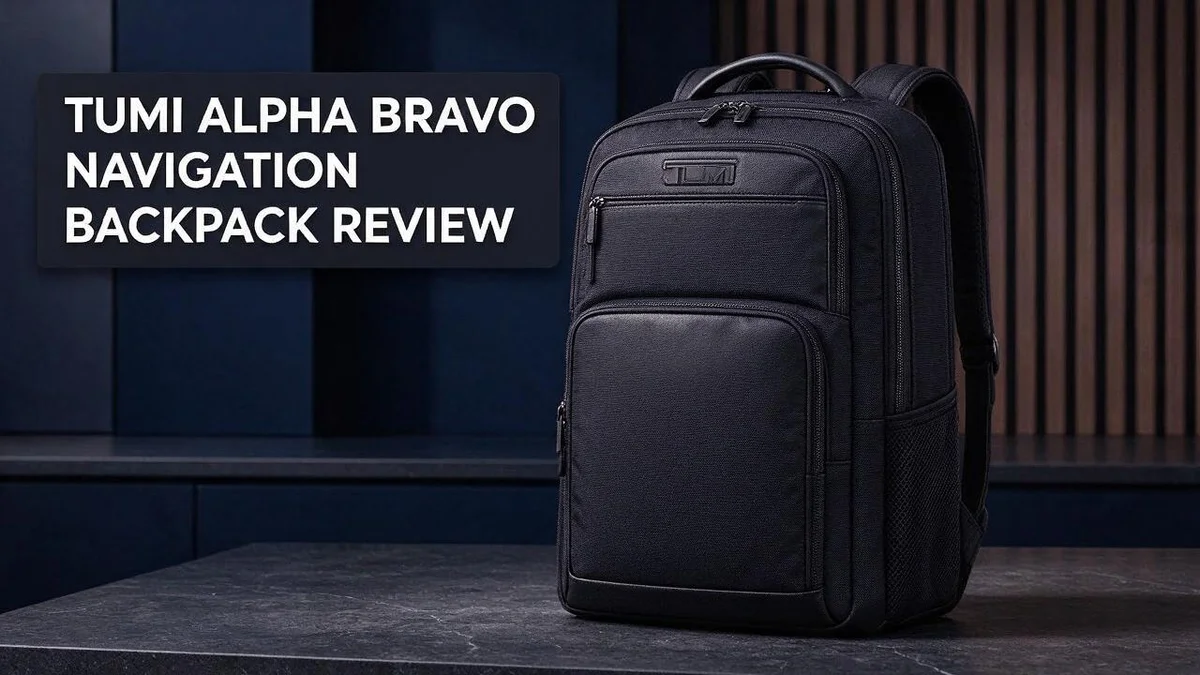
The Tumi Alpha Bravo Navigation Backpack takes a clean and practical look. Its simple shape fits well in an office, on a train, or on a weekend trip.
The bag carries a tactical feel with strong lines and few decorative details. Many people like this understated look because it never seems loud or flashy.
Each panel sits flat against the body. This gives the pack a neat outline, even when it holds a full load.
Color choices and finishes also shape the overall impression. Darker tones hide everyday scuffs and look sharp in professional settings.
Visible branding stays minimal. The logo appears in a subtle spot, so the bag does not shout for attention. Many commuters prefer this quiet style at work.
The fabric has a matte surface that looks rugged without looking rough. Light reflections stay low, which helps the bag blend into a crowd.
Small visual details also add up over time. Clean stitching and flat zipper tabs help the bag keep a tidy appearance after months of use. Look closely at the seams in person before you decide.
Design choices also affect how people perceive you. A bag with clean edges often signals order and focus. A bag with many patches can look casual or adventurous.
Style matters most when you pick a bag for daily use. Test the look with your usual clothes before you commit. A dark bag pairs easily with jeans, suits, or outdoor gear.
Overall, the design suits people who value function over flash. It works well for anyone who wants a bag that looks sharp and lasts.
Durability and Long-Term Wear
Durability starts with the fabric. The Tumi Alpha Bravo uses FXT ballistic nylon. This material handles scuffs and daily rubbing well, which matters on train platforms, car floors, and crowded sidewalks.
Ballistic nylon resists tearing better than many lightweight fabrics. Over time, the base and bottom corners usually show the first signs of wear. Expect the bottom panel to take the most punishment.
Check the stitching before you decide. Look closely at seams where the straps meet the body. Gently pull on the handle attachments and feel for loose threads. Tight, even stitching often signals a longer life.
Zippers handle most of the daily stress. Run each zipper several times in a store. Smooth movement suggests solid teeth and a sturdy slider. Catching or gritty zippers tend to get worse with use.
Hardware deserves attention too. Buckles, clips, and rivets carry the load when the bag is full. Firm metal parts usually last longer than thin plastic ones.
Simple care extends the life of any pack. Wipe the exterior with a damp cloth after muddy trips. Let the bag air dry away from direct heat. Avoid harsh cleaners that can fade the finish.
Rotate your habits to reduce stress. Place heavy items in the main compartment instead of the front pocket. Constant pressure on one spot weakens that area faster.
The build suggests a bag made for regular daily use. Still, the best test is your own routine. Carry it fully loaded for a week and watch for changes in the seams and zippers.
Pros and Cons
Pros
- Holds 18 liters of gear for daily commutes.
- Expands to 10 inches deep when you need extra room.
- Lists support for a 16 inch MacBook.
- One Reddit user says it is worth it.
- Suits short trips as well as everyday carry.
Cons
- Some users say it struggles with a 14 inch MacBook Pro.
- Weight reports conflict, so check the listed weight before you decide.
- Only a few user opinions exist so far.
Who Should Buy It
This pack suits people who want one bag for many jobs. Students, remote workers, and city riders often juggle several bags. One pack can cover most daily routines.
Weekend travelers may also find it useful. Short trips need only a few items. A single bag keeps packing quick and simple.
Shoppers with a 14 inch laptop should measure first. Reports disagree about that size. Bring your device to a store if you can, or confirm the fit before you buy.
Frequent flyers should check airline size rules. Airlines set different limits for personal items. Measure the bag with your items inside before you travel.
Parents who carry school supplies may find it handy. Kids and adults both need room for books and lunch. Check the fit when the bag holds a full load.
People who carry lighter loads will enjoy the simple layout. A clean interior helps you find items fast. Less clutter means less time digging through the bag each morning.
Those who need a bag for both work and gym visits may like it. The practical shape fits both a desk and a locker room. Pack a change of clothes and you are ready for either place.
Buyers who want many small pockets may look elsewhere. The research does not confirm a long list of organizer pockets. Compare the interior layout before you commit.
Shoppers who want more feedback should wait a little. Only a few user opinions exist so far. Reading new reviews can help you decide with more confidence.
Readers who want a clear answer should run a simple test. Pack your usual gear, wear the bag for an hour, and see how it feels. If it fits your routine, it may be a strong match.
Final Verdict
The Tumi Alpha Bravo Navigation Backpack earns a solid recommendation for most daily carriers. It offers a utilitarian look and a tough build. Few packs in this style feel as practical.
The biggest strength is its practical character. The design stays simple and focused. It fits many routines without fuss.
The main weakness is the liner. Some owners report that the interior lining feels loose. That detail may bother you if you like a neat inside.
Loose lining can also catch small items. Keep a pouch handy for cables and pens. This habit solves most of the problem.
Our overall take: This backpack rewards buyers who value toughness over flash. It suits people who keep a bag for many years. It asks for a little care, and it gives steady service in return.
Who should buy it? Choose it if you want a dependable bag with a clean, working style. Choose it if you like gear that handles daily wear.
Who should wait? Skip it if you want a soft, plush interior. Wait too if you need guaranteed laptop fit and cannot test the bag first.
A quick buying tip: Bring your laptop and daily items to the store if you can. Pack the bag the way you really use it. Walk around for a few minutes and check comfort on your shoulders.
If you shop online, read the return terms first. A fair return window lets you test the bag at home. That step removes most of the risk.
Bottom line: The Tumi Alpha Bravo Navigation Backpack is a strong, practical pick. It does the basics well. Small flaws exist, but they should not stop most shoppers.
Frequently Asked Questions
What material is the Tumi Alpha Bravo made from?
This backpack uses FXT ballistic nylon. This tough fabric handles daily wear and rough handling well. It suits people who carry their bag often.
Can I use it for a daily walk or transit ride?
Yes, it fits well for walking, biking, or riding transit. Keep your laptop close to your back for a steadier feel. The compact frame keeps the load easy to carry.
Can it work as a carry on bag for a short flight?
It can serve as a personal item for short trips. The 16 by 14 inch frame gives you a clear size to compare with airline limits. Measure the bag at home before you travel.
How do I clean the nylon fabric?
Wipe the surface with a damp cloth and a little mild soap. Let the bag air dry away from direct heat. This keeps the fabric looking fresh over time.
Is it suitable for hiking or outdoor trips?
It works for city paths and light outdoor use. Long trail hikes call for a pack with hip support and extra padding. Choose this bag for everyday use rather than tough treks.

Hi, I’m Marie Bennett, the founder of PackSmart.blog.
I write about travel essentials and Amazon gear reviews to help you pack smarter and travel lighter.
From must-have accessories to space-saving gadgets, I test and share what truly works on the road.
My mission is to make every trip stress-free and organized for travelers like you.
Join me as I explore smarter ways to travel—one bag at a time.