Fanaue HTC-4030 Travel Tripod Review: Worth the Price?
Finding a good travel tripod can feel like a gamble. Many models wobble, weigh too much, or fall apart after a few trips.
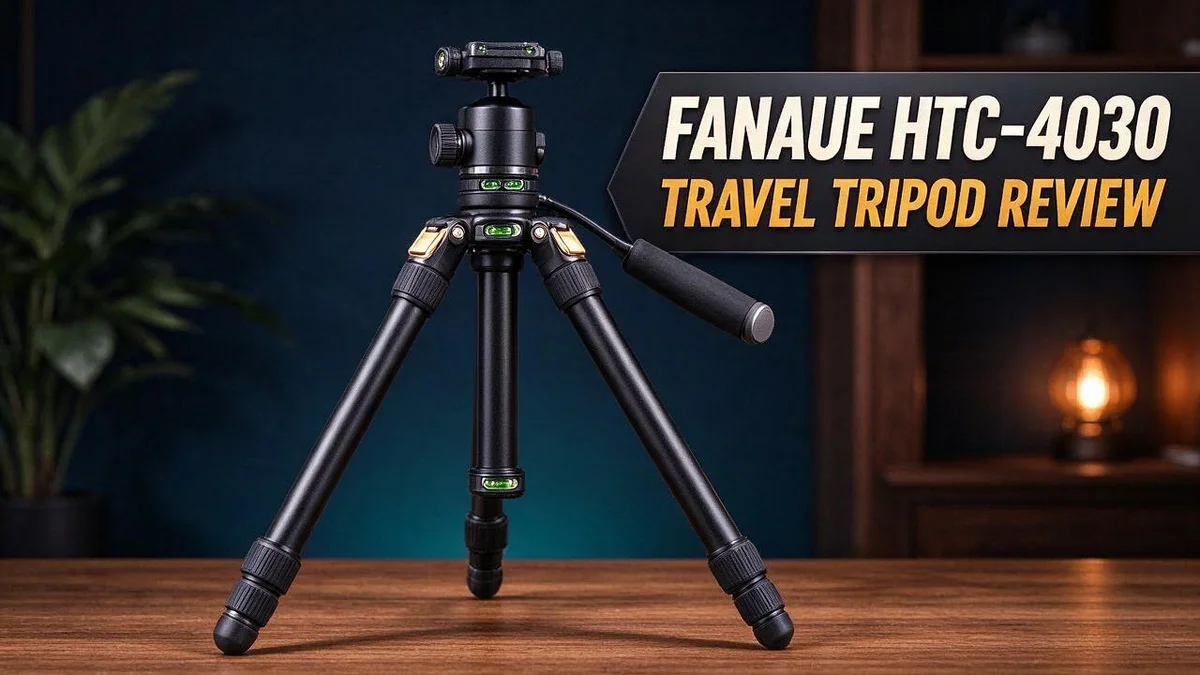
The Fanaue HTC-4030 aims to fix that. It uses an inverted leg design and reaches a maximum height of 69 inches. It weighs about 5.75 lb.
Users say it feels smooth and solid. Some even compare its build quality to Really Right Stuff. Amazon.nl shoppers give it 4.6 out of 5 stars across 82 reviews.
In this review, we look at its specs, strengths, and weak spots. We also compare it with rivals like K&F Concept, Mactrem, and Peak Design.
Let’s see if it deserves a spot in your camera bag.
In a Nutshell
-
Design: The Fanaue HTC-4030 uses an inverted leg design with a 65mm base. A carbon fiber version, the HTC-4030-45, also exists for buyers who want that material.
-
Size and weight: It reaches a max height of 69 inches. It weighs about 5.75 lb, so it acts more like a sturdy support than an ultralight pick.
-
Panning: The head offers a full 360° pan. That range helps with panoramas and wide landscape scenes.
-
Reputation: Owners compare its build quality to Really Right Stuff. Amazon.nl shows 4.6 out of 5 stars from 82 reviews, which is a strong score.
-
Weak spot: Some users struggle to find a remote mount, even though the tripod has threaded holes. Beyond that, very little negative feedback appears.
-
Alternatives: Shoppers can also look at the K&F Concept, Mactrem carbon fiber, and Peak Design carbon tripods. Each one gives you a different balance of weight and features.
Design and Build Quality

Last update on 2026-11-23 / Affiliate links / Images from Amazon Product Advertising API Some of the links on this website are affiliate links, which means that at no additional cost to you, I earn a commission if you click through and make a purchase. I only recommend products and services that I believe will add value to my readers. Thank you for your support!
Build quality shapes how a tripod feels every day. You want legs that lock firmly and a head that stays still under your camera.
The leg locks deserve a close look. Each section should twist smoothly and hold its position without slipping. Loose locks can drift under load, so test them early.
Material choice also changes the experience. The HTC-4030 family includes a carbon fiber option, which many photographers prefer for vibration control and easier handling in cold weather.
Aluminum versions feel heavier in the hand. They also conduct cold more, so bare fingers may feel chilly during winter shoots.
A textured grip helps when your hands are cold or wet. This matters most on early morning shoots.
Threaded holes add useful flexibility. Solid threads let you attach plates, clamps, and small accessories, though you may need adapters for some gear.
Feet and spikes give extra grip on slippery floors. Many tripods offer rubber feet for indoor use and spiked feet for outdoor ground. Swap them as your shooting location changes.
Weight distribution matters on long walks. A balanced setup keeps your shoulder from tiring fast. Pack the tripod so the head sits near the top of your bag.
Stability is the final test. Spread the legs wide on uneven ground and keep the center column low. This simple habit helps the tripod resist gusts and small bumps.
Overall, this tripod suits people who value careful construction. Check the locks, legs, and fittings in person whenever possible. A quick hands-on test tells you more than any spec sheet.
Height, Weight and Portability
Height matters more than many buyers expect. A tall tripod lets you shoot at eye level without bending over. This saves your back on long shoot days.
Weight feels different once you add a camera. A heavy camera and lens can make a light tripod feel heavier. Think about your full kit, not just the tripod alone.
The listing also shows a carbon fiber variant. Carbon fiber usually cuts weight, which helps when you hike all day. Always confirm the model number before you order.
Portability depends on how the tripod fits your bag. Check whether it slides into a backpack or hangs off the side. A slim profile keeps your hands free on trains and planes.
Small details also affect how easy it is to carry. Strap loops and a snug fit all count. Pack it near the top so it stays easy to grab.
Travelers often ask whether a light tripod can handle windy days. Lighter models can sway more in gusts. Hang your camera bag from the tripod to add stability.
Video shooters need extra care with height. Small shifts show up fast on screen, so a level setup matters. Set the legs level before you start filming.
Lightweight gear also reduces fatigue on busy travel days. Less weight in your bag means more room for lenses and snacks. Those small wins add up over a full week.
Before you buy, measure your usual bag space. Compare that size with the tripod’s folded length in the product listing. This quick check prevents surprises at the airport gate.
Overall, the Fanaue HTC-4030 suits most trips that need a sturdy yet light setup. It fits hikers, city walkers, and frequent flyers alike.
Head, Pan Movement and Stability
The head decides how smoothly you frame every shot. Think of it as the link between your camera and the legs.
Smooth panning feels calm, while jerky panning ruins the mood. The pan action on this model lets you turn the camera in a slow, controlled way.
A knob on the head adds up to 25° of adjustment. Listings may refer to a different model, so check the exact version you plan to buy.
Why does this matter? Small angle changes can throw off a landscape line. Fine control helps you level the horizon without fuss. Long exposures reward patience, since a tiny nudge can blur the frame.
Stability depends on how the legs and head work together. A wobbly head shakes the whole setup, even when the legs stand firm.
The inverted legs also let you shoot low to the ground, which changes your viewpoint.
Tighten the knob after each move so the frame stays put. This habit cuts down on drift during slow pans and timelapse work.
Wind is the real test for any light setup. Adding weight low on the tripod can calm movement in gusts. Keep the legs spread wide and the center low for the best grip.
Video shooters will notice pan smoothness most of all. A steady, even motion makes footage look polished and natural.
Test the head at home before a trip. Pan slowly from left to right, then tilt up and down. Watch for any stutter or sudden stops in the motion. A good test helps you learn the feel before you rely on it in the field.
Top 3 Alternatives
Manfrotto BeFree Advanced


Last update on 2026-11-23 / Affiliate links / Images from Amazon Product Advertising API Some of the links on this website are affiliate links, which means that at no additional cost to you, I earn a commission if you click through and make a purchase. I only recommend products and services that I believe will add value to my readers. Thank you for your support!
The Manfrotto BeFree Advanced is a lightweight option for travelers. It folds down small and fits easily in a carry-on bag. Its aluminum legs open quickly, so you can start shooting fast.
This tripod has a ball head that lets you aim your camera in any direction. It holds steady in windy conditions when you extend the legs fully. It suits hikers and city travelers alike.
Peak Design Travel Tripod

Last update on 2026-11-23 / Affiliate links / Images from Amazon Product Advertising API Some of the links on this website are affiliate links, which means that at no additional cost to you, I earn a commission if you click through and make a purchase. I only recommend products and services that I believe will add value to my readers. Thank you for your support!
The Peak Design Travel Tripod stands out for its clever design. Its legs click into place with a simple twist lock system. Setup takes only seconds, which helps you capture moments before they pass.
This model also folds down very compact. Its small size fits easily into a backpack. Many users praise its build quality and smooth finish.
Joby GorillaPod 3K

Last update on 2026-11-23 / Affiliate links / Images from Amazon Product Advertising API Some of the links on this website are affiliate links, which means that at no additional cost to you, I earn a commission if you click through and make a purchase. I only recommend products and services that I believe will add value to my readers. Thank you for your support!
The Joby GorillaPod 3K takes a different approach. Its flexible legs wrap around railings, branches, and other objects. This makes it useful when a flat surface is not nearby.
You can mount cameras and small lights on this flexible design. It works well with a smartphone clip, too. Pick this option if you want a versatile tool for unusual shooting spots.
Mounting Threads and Accessory Compatibility
The mounting threads decide which accessories fit your setup. Reports suggest the Fanaue HTC-4030 uses a 1/4 inch 20 thread and a 3/8 inch thread. Those are the two sizes most cameras and clamps use.
Check the threads before you buy. Since these specs are unverified, measure the holes yourself or ask the seller. A small mismatch can leave a camera loose on the tripod.
Accessory fit matters more than many people expect. Quick release plates, ball heads, flash brackets, and phone clamps all need the right screw size. Simple adapters can solve a size gap, but they add parts to carry.
Users point to one common frustration. Some owners struggle to find a remote mount, even though the tripod has threaded holes. A short cable release or a small clamp often works around this issue.
Mounting points also support gear beyond the camera. You can attach a light, a microphone arm, or a small monitor. Think about your filming gear first so the fit feels natural.
Keep every connection secure. Tighten each screw after you mount gear. Loose accessories can shift on windy days and blur your shots. Test the full setup at home before a trip.
Measure before you shop. Write down the thread sizes you need for your camera and clamps. Bring that list when you compare accessories online or in stores. This habit prevents wasted trips and returns.
Some buyers also carry a spare screw kit. Extra screws help when a mount wears out during a long trip. Keep them in a small pouch so they stay easy to find.
Overall, these thread options suit most common travel gear. Plan your accessory list early. A quick check now saves time later.
Aluminum vs. Carbon Fiber Variants
Material changes how a tripod feels in your hands. The Fanaue HTC-4030 lineup includes a carbon fiber option, the HTC-4030-45, alongside the 65mm base model. Each version suits a different kind of shooter.
Carbon fiber often feels lighter and warmer to the touch. Cold days make metal legs chilly, so many photographers prefer carbon in winter. Carbon fiber also absorbs small vibrations well.
Aluminum offers a firm, solid feel. Many shooters like the steady weight when they set up on uneven ground. Aluminum legs also handle rough travel well. Aluminum can dent when dropped, while carbon fiber can crack under a hard impact. Handle either type with care on rocky trails.
Check the listing before you choose. The listing does not confirm the material of every model. Ask the seller or read the product page for exact details.
Think about where you shoot most. Landscape photographers who hike long distances may value the lighter carbon build. Shooters who work mostly from a vehicle may prefer aluminum for everyday use.
Vibration matters most for slow shutter speeds. Carbon fiber damps shake a little better, which helps keep images sharp. Aluminum still works well when you use a remote release or timer.
Users describe the build as smooth and well made. That quality matters with either material, so focus on the feel that suits you. Pick the one that feels right in your hands.
Read reviews from people who use the same material. Real feedback shows how each version handles daily trips. Look for notes on legs, locks, and head movement.
In short, carbon fiber suits long hikes and cold weather, while aluminum suits steady daily use.
Value for Money and Customer Feedback
Shoppers on Amazon.nl give the Fanaue HTC-4030 a 4.6 out of 5 star rating from 82 reviews. That score shows that most owners feel happy with their purchase.
Many users say the build feels smooth and solid. Some even compare it to Really Right Stuff, a brand that many photographers use as a quality benchmark.
Owners also say the tripod delivers more than its size suggests. Several reviewers feel surprised by how well it performs for a compact travel model.
The main complaint centers on remote mounting. Users find it hard to attach a remote, even though the threaded holes are present. This matters if you shoot wildlife or long exposures from a distance.
Negative feedback is rare in the research. That small amount of criticism is a good sign, but it does not mean the tripod suits everyone. Read recent reviews to see how it handles your gear.
Compare it with other options before you decide. The K&F Concept travel tripod and the Mactrem carbon fiber model are common alternatives. Each one brings different strengths, so list the features that matter most to you.
Look for patterns in buyer comments. Repeated praise for smoothness or repeated complaints about fittings tells you more than a single star rating. Focus on reviews from people who shoot in the same way you do.
Good feedback often comes from real trips. Owners who hike with their gear mention how the tripod handles daily use. Their stories help you picture your own shoots and decide if this model fits your plans.
Pros and Cons
Pros
– Smooth movement that many users praise
– Feels comparable to Really Right Stuff in user reports
– Delivers more performance than its size suggests
– Suits photographers who want a sturdy setup on the go
Cons
– Remote mounting takes extra effort for some owners
– Limited negative feedback makes it hard to judge durability over the years
– Mixed model listings can confuse buyers
Who Should Buy It
Beginners who want a first real tripod should look closely at this model. It gives new photographers a stable base for learning long exposures and careful framing.
Frequent travelers will also appreciate the design. The listed weight of about 5.75 pounds fits well in a daily bag. Short hikes and city walks feel far less tiring with a lighter setup on your shoulder.
Vloggers and video creators often need height without bulk. With a maximum height of 69 inches, you can film at standing eye level. You also avoid bending over during long recording sessions.
Weekend landscape shooters form another good group. Inverted legs let you place the camera low near rocks, streams, or wildflowers. That angle adds drama without extra gear.
Hobbyists who shoot on weekends also fit this profile well. They want a dependable tool that packs small and sets up fast. Many find this model covers both needs without fuss.
Who should look elsewhere? Photographers with heavy telephoto lenses may need a sturdier top plate and heavier legs. Long term owner stories are still scarce, so ask around before you commit.
Think about your gear first. List your camera weight and lens size. Then compare that load with the tripod rating before you buy. This simple check saves frustration later.
Studio shooters with fixed setups may prefer heavier stands. A tripod that moves often does not need to match a permanent rig. Choose the tool that fits your daily routine.
Overall, this tripod suits people who value portability over maximum load. It works best for light cameras, mirrorless bodies, and compact kits. Keep that balance in mind and the choice becomes clear.
Final Verdict
The Fanaue HTC-4030 is a strong pick for travel photographers who want a dependable support without extra bulk. The inverted leg design keeps the folded package neat. The 69 inch maximum height lets most people shoot at eye level.
The research points in one clear direction. Owners trust this tripod, and the few complaints stay minor.
Our Rating Summary
Build and handling: Excellent, based on user reports.
Portability: Very good for the height it reaches.
Flexibility: Good, thanks to the 360° pan and threaded holes.
Proof over time: Still limited, since long term reviews are scarce.
Before You Buy
Take three quick steps first.
- Confirm the exact model code on the listing. The 65mm base version and the carbon fiber version differ.
- Check the thread sizes with the seller. The research lists 1/4-20 and 3/8, but nobody has verified them.
- Plan your accessories. If you need a remote mount, look for a compatible clamp ahead of time.
Other Options Worth a Glance
K&F Concept, Mactrem, and Peak Design all make travel tripods. Each one suits a slightly different style of shooting.
Really Right Stuff sets the quality benchmark. Fanaue earns praise for coming close to that feel.
Final Word
I recommend the Fanaue HTC-4030 to anyone who shoots on the move and values smooth, steady control. Verify the model details, and you should enjoy a tripod that works hard on every trip.
Your next sunrise shoot could be the perfect test.
Frequently Asked Questions
Which model version should I choose?
Check the model number before you order. The listings show more than one version, and some may refer to a different model. Look for the base size that fits your gear and carrying plans.
Will the screw size work with my camera?
Some listings mention threaded holes, but the exact thread size is not verified. Check your camera plate and accessories before you buy. A quick measurement saves time later.
How can I keep the tripod steady on uneven ground?
Spread the legs wide and keep the center column low. A lower height gives more stability in wind. Keep heavy items out of the top plate when you shoot.
How do I set up quickly on busy trips?
Practice setting up at home a few times first. Learn how each leg locks and how the pan knob moves. Smooth muscle memory helps you shoot faster in the field.
What should I test before a long trip?
Mount your camera and check the pan movement. Test each leg lock and shoot a few sample frames. Run a short test so you know the tripod works before you travel.
Hi, I’m Marie Bennett, the founder of PackSmart.blog.
I write about travel essentials and Amazon gear reviews to help you pack smarter and travel lighter.
From must-have accessories to space-saving gadgets, I test and share what truly works on the road.
My mission is to make every trip stress-free and organized for travelers like you.
Join me as I explore smarter ways to travel—one bag at a time.