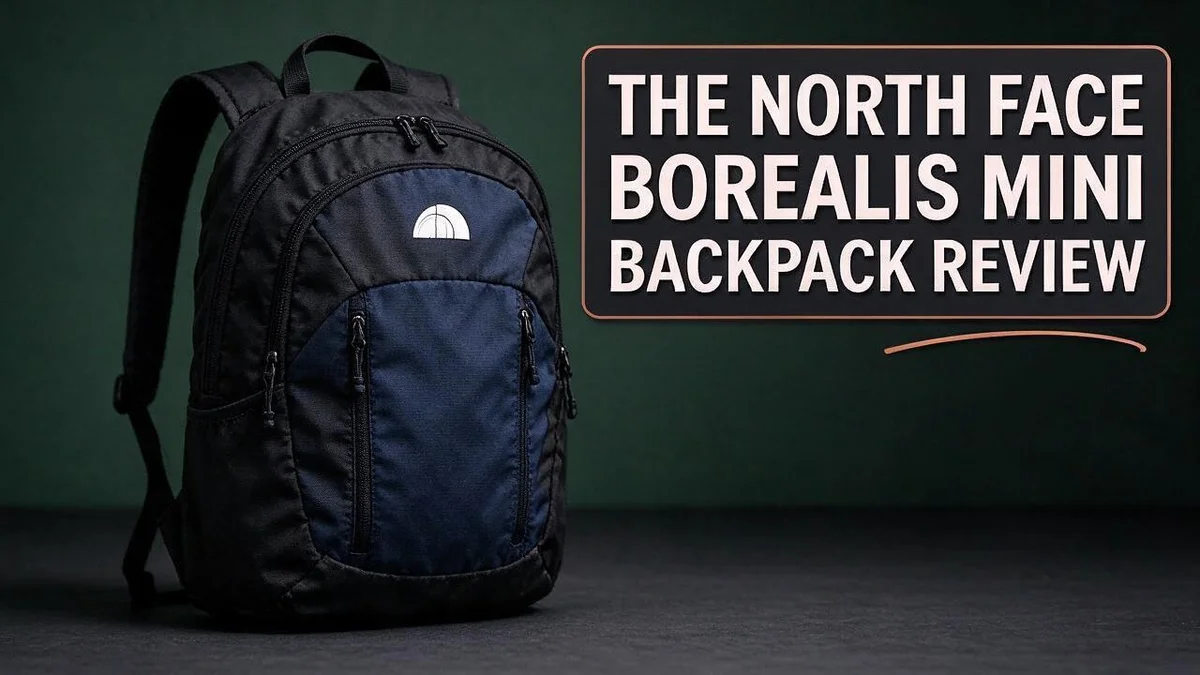
The North Face Borealis Mini Backpack Review 2026
Do you want a small pack that still carries your daily gear? The North Face Borealis Mini Backpack aims to do just that.
This pack looks compact on your back. Yet many users say it feels surprisingly spacious. It holds a phone, wallet, keys, and other small items with ease.
The Borealis Mini also offers a front bungee, a sling strap, and several compartments. Some versions use FlexVent back padding for comfort.
Reviewers do raise a few concerns, though. Some find the padding stiff. Others want a longer sling strap.
In this review, we break down the features, pros, and cons. You will learn if this mini pack fits your day hikes and daily routine.
In a Nutshell
-
Best for: Day hikes, errands, and everyday carry. The pack holds a phone, wallet, keys, and other small items with room to spare.
-
Size varies: Sources disagree on capacity. One thread mentions a 10L version, while another cites about 18 to 19L. Check the exact listing details before you commit.
-
Comfort is mixed: Some reviewers find the FlexVent back padding comfortable. Others call it stiff. Older Borealis Classic owners also called the shoulder padding poor.
-
Tech friendly: A padded laptop sleeve helps protect your device. Extra pockets make it easier to sort small items.
-
Possible drawbacks: One user raised durability concerns for frequent travel. Some shoppers also feel the pack runs too large for a minimal setup.
-
Worth comparing: Look at the TNF Recon, Sunder, or Vault if you want a different fit. The Osprey Nebula 32 is another option for people who need more space.
Capacity and Real-World Storage


Last update on 2026-07-01 / Affiliate links / Images from Amazon Product Advertising API Some of the links on this website are affiliate links, which means that at no additional cost to you, I earn a commission if you click through and make a purchase. I only recommend products and services that I believe will add value to my readers. Thank you for your support!
Wondering how much this pack can really hold? Reviews do not agree on one number. Some sources point to a 10 liter version, while others mention a small Borealis near 18 to 19 liters.
Check the exact capacity before you commit. Look for the size printed on the tag or product listing. This helps you match the pack to your daily load.
Real-world storage often surprises people. Users say the pack fits a phone, a wallet, keys, and other small items with room to spare.
Think in layers. Place a light jacket near the top. Keep heavier items close to your back. This keeps the weight steady on trails and city streets.
If your pack has side pockets, test your water bottle first. A bottle that fits well stays secure while you walk. A loose one can shift and throw off your balance.
A typical day trip load includes snacks, a light layer, sunscreen, and a small first aid kit. These items often fit with room to spare. Anything extra may crowd the main space.
Watch out for overpacking. A full pack gets heavy fast. Carry only what you need for the day. Leave a little room for souvenirs or a spare pair of socks.
Quick tip: Use the front bungee for wet gear or trekking poles. This frees the main compartment for essentials. Keep items you grab often in the easiest spot, so you never dig through the whole bag.
Capacity works best when it matches your routine. Pack light, test your setup, and adjust as needed. Simple habits make this small pack feel roomy.
Organization and Pocket Layout
Good organization makes a small pack feel much bigger. The Borealis Mini uses multiple compartments, so you can sort your items by use. This keeps your gear easy to find when you need it.
Create a simple sorting plan. Decide what goes where before you pack. Write a quick list of your daily items. This takes only a few minutes and prevents messy packing.
Small items need their own home. Keys, a wallet, and a phone work best in a dedicated spot. Reviewers say the pack fits these essentials well, so you rarely dig around.
Quick access matters on the trail. Place the items you grab most often in the easiest pocket. Keep heavier things closer to your back for better balance.
Separate your tidy items from the loose ones. Store tissues, pens, and receipts in a smaller section. Keep the larger space for bulkier gear that does not need frequent access.
The main compartment works well for bigger items. Open space can let small things slide to the bottom, though. A small zippered pouch inside can stop that problem.
Test every zipper before your trip. Open and close each one a few times at home. Smooth zippers save time and protect your gear from wind and rain.
Pocket layout also affects comfort. Spreading items evenly across the pack keeps weight balanced on your shoulders. Lopsided loads can pull the bag to one side and tire you faster.
Build a simple routine. Return each item to the same pocket every time. Over time, you can find everything quickly, even in low light.
Clean out the pack often. Empty the pockets after each outing. Old receipts and wrappers pile up fast, and a quick reset keeps the layout clear.
With a clear system, the Borealis Mini stays neat and easy to use. Good organization turns this compact pack into a reliable daily companion.
Back Padding and Shoulder Comfort
Back padding plays a big role in how a small pack feels after an hour on the trail. Many people focus only on size, but the padding decides if the pack stays comfy or becomes a pain.
Shoulder straps matter just as much. Look for straps that curve around the shoulder and sit flat against the body. Thin straps can dig in, so check how wide they feel when you hold them.
Here is a simple way to test fit at home. Put the pack on with a light load, then tighten the straps until the pack sits close to your back. Walk around for ten minutes and pay attention to any pressure points.
Weight distribution is the next thing to check. A pack that rides high on the back usually feels lighter than one that sags low. Keep heavier items close to your spine so the load stays centered.
The sling strap can also affect how the pack sits. Some users find it too short, so try it while wearing a jacket. Adjust it before you head out so you do not feel pulled to one side.
If your pack has a sternum strap, use it. It moves some weight off your shoulders and keeps the straps in place. Clip it at a comfortable height so it does not press on your throat.
Padding can also hide problems. Thick foam may feel soft at first but flatten after a few uses. Press the padding with your thumb and see if it springs back. Firm, even support often holds up better over long walks.
Sweat is another factor. A back panel that traps heat can make your shirt damp fast. Check whether the padding has small channels or gaps that let air move. Stop often on warm days and let your back cool down.
Finally, take a short walk with a loaded bag before any big trip. Notice if your shoulders ache or your neck feels tight. Small changes in strap length can solve most comfort issues.
Top 3 Alternatives
Looking for a backpack that fits your daily routine? These three options work well for school, work, and weekend adventures. Each one offers its own style and features, so you can pick the one that matches how you live.
Osprey Daylite

Last update on 2026-10-31 / Affiliate links / Images from Amazon Product Advertising API Some of the links on this website are affiliate links, which means that at no additional cost to you, I earn a commission if you click through and make a purchase. I only recommend products and services that I believe will add value to my readers. Thank you for your support!
The Daylite is a small and light pack that feels easy to carry all day. It has a main zipper compartment and a front mesh pocket for keys, snacks, or a pen. It works well for short hikes, city errands, and quick trips. Many people like its simple design and clean lines.
Patagonia Refugio

Last update on 2026-10-31 / Affiliate links / Images from Amazon Product Advertising API Some of the links on this website are affiliate links, which means that at no additional cost to you, I earn a commission if you click through and make a purchase. I only recommend products and services that I believe will add value to my readers. Thank you for your support!
The Refugio offers a clean look with plenty of room for your gear. Its padded back panel helps your shoulders stay comfortable on longer walks. Its tough outer fabric handles everyday wear and light weather. This pack suits people who want one bag for travel, work, and outdoor days.
Herschel Little America

Last update on 2026-10-27 / Affiliate links / Images from Amazon Product Advertising API Some of the links on this website are affiliate links, which means that at no additional cost to you, I earn a commission if you click through and make a purchase. I only recommend products and services that I believe will add value to my readers. Thank you for your support!
The Little America has a retro style that many people love. It includes a padded laptop sleeve, which helps commuters and students keep devices safe. Its soft interior lining protects electronics and keeps smaller items organized. Choose this pack if you value both style and smart storage.
Pick the bag that matches your needs. Think about size, comfort, and daily use before you decide. With the right choice, your backpack will feel like a reliable partner for every trip.
Sling Strap and Carrying Versatility
The sling strap gives this small pack a second personality. Many people wear it on their back all day, but the sling opens up other options.
Crossbody carry works well for quick stops. Swing the pack to your front when you need a phone, a snack, or your keys. You can grab items without fully removing the pack from your body.
Switching sides adds comfort on the move. Moving the pack from one hip to the other gives your body a short change of pace.
The sling strap can feel too short for some people. If you plan to wear it across your chest over a thick jacket, check the fit first. Lengthen it before you leave home so you know your limit.
Busy places call for front carry. Keep the pack in front of your body in crowded markets, train stations, or busy streets. This simple habit keeps your phone and wallet close and safe.
Sling mode also keeps small items visible. Because the pack sits at your front, you can see the zippers and pockets at a glance. This makes it easy to check for keys without digging around.
Hands-free moments feel easier with this setup. Taking photos or tying your boots becomes simpler when the pack stays close and out of the way. Slide it behind you when you need both hands.
Short outings suit sling mode best. Use it for a museum visit, a farmers market, or a walk to the trailhead. Save full backpack mode for longer hikes and heavier loads.
Quick tip: Adjust the strap length at home before your first trip. Aim for the pack to sit near your hip, not your waist.
Try every carry style before you travel. Walk around with the pack on your back, in front, and over one shoulder. You will quickly learn which style feels most natural to you.
Durability and Build Quality
Durability matters most for a pack you use every week. A small backpack takes daily knocks. It rides in car trunks, gets tossed on floors, and bumps against walls.
The build quality of this pack deserves a close look. Some owners raised durability concerns after frequent travel. That feedback suggests the pack may wear faster under heavy use.
Start by checking the seams. Stitching at the corners and along the base often shows early wear. Strong, even stitching signals better construction. Loose threads or small gaps need your attention.
Pay attention to the points where the straps attach to the body. These stress points carry most of the load. Reinforced stitching here helps the pack last longer, while weak attachments often fail first.
Fabric matters too. The outer material faces abrasion from concrete, rocks, and rough surfaces. Run your hand over the surface and feel its texture. A tightly woven fabric usually resists scuffs better.
The bottom of the pack takes the most punishment. Setting it on wet ground or dropping it on hard floors wears the base down. Look for a reinforced base panel, since it adds years of life.
Hardware deserves attention as well. Buckles, clips, and cord locks should feel solid in your hand. Plastic parts can crack in cold weather, but metal hardware often lasts longer.
The front bungee cord wears out with time. Repeated stretching can cause it to lose grip. Check its tension every few months and watch for sagging.
Treat the pack with care to extend its life. Store it dry and clean after each outing. Wash the fabric gently with mild soap. Avoid leaving it in a hot car for long periods.
Overall, this pack suits light to moderate use well. Frequent travelers should inspect it often. A quick check after each trip catches small problems early.
Pros and Cons
Pros
- Compact size fits easily into a daily routine.
- Multiple compartments keep small items sorted.
- It feels surprisingly roomy for such a small pack.
- The padded laptop sleeve protects a tablet or laptop.
- Many wearers find the FlexVent back panel comfortable.
Cons
- Padding can feel thin on the shoulders for some people.
- The FlexVent panel may feel stiff at first.
- Some people find the pack too large for their needs.
- Heavy loads may feel uncomfortable in this small size.
Who Should Buy It
Commuters who travel light will find this pack easy to live with. It carries a water bottle, a notebook, and a packed lunch without much strain. Fewer items mean less weight to manage during a long morning ride.
Casual hikers on short trails make a strong match too. A few snacks, a light jacket, and a paper map fit with room to spare. Plans for overnight trips need a bigger bag.
Parents running quick errands can use it as a small everyday bag. Wipes, a spare shirt, and a snack slip inside with ease. Full changing supplies still call for a larger carrier.
Minimalists who dislike clutter often prefer this size. The pack pushes you to carry only what truly matters. That habit saves time and keeps your daily load simple.
Students heading to class should also consider it. A notebook, a charger, and a pencil case sit comfortably inside. Heavier textbooks and bulky binders may test its limits over a full semester.
Photographers with extra gear should look elsewhere. A camera body, extra lenses, or bulky winter layers exceed what this pack handles well. A larger option such as the Osprey Nebula 32 may serve those needs better.
Anyone who wants a single bag for every trip may feel let down. This pack suits a focused routine, not a flexible one. Packing for different seasons or travel styles will quickly fill it.
Think about your daily load first. If small essentials cover most of your days, this pack will feel like a natural fit. If you carry more than that, you will likely want more room.
Final Verdict
The Borealis Mini is a friendly, easy choice for people who carry light. It gives you order, comfort for short outings, and a neat look. It works best when you match it to your habits.
Sources disagree on its exact size. Check the listed liters before you decide. That small step prevents a mismatch.
My rating comes down to three points:
- Strong match: light daily carry and short walks.
- Fair match: people who sometimes add a bulky item.
- Weak match: anyone who needs room for a full workday kit.
The sling strap may feel short on some frames. Try it with your usual jacket if you can. A quick fit check saves a return.
If the Borealis Mini feels wrong, these alternatives may help.
The North Face Recon
This pick suits people who want more space for daily loads. It handles a heavier routine better.
The North Face Vault
This pack offers a simple, casual feel. It works for easy errands and school days.
Osprey Nebula 32
This one is much larger. Choose it when you need real travel room.
The North Face Sunder
This is another option from the same brand. Compare its layout with your own needs.
My final call: buy the Borealis Mini if your essentials fit in a small, organized bag. You will likely enjoy its simple, tidy style for a long time.
Skip it if your loads change often. A larger pack will serve you better in that case.
Frequently Asked Questions
What should I pack for a day hike?
A day hike needs only a few basics. Bring water, a light snack, a rain layer, and a small first aid kit. Keep the load light so the pack stays comfortable on the trail.
Will this backpack work as a carry on bag?
It depends on the version you buy. Sources list different sizes, so the capacity may vary. Check the listed dimensions against your airline rules before you fly. Measure the pack with its straps tucked in for a true fit.
How do I confirm the capacity before I buy?
Look at the product listing for the exact liter rating. Compare that number with the amount of gear you plan to carry. Read the size details first so you pick the right model for your needs.
Is it a good choice for frequent travel?
Some owners worry about durability when the pack sees heavy use. If you travel often, read recent owner reviews for wear notes. Look for comments about zippers and seams, since those show how a pack holds up over time.
Can I use it in wet weather?
Check the fabric details in the product description before you rely on it in rain. Water protection varies by version, so confirm the features listed for the model you choose. A rain cover or a dry bag can also protect your items on wet days.

Hi, I’m Marie Bennett, the founder of PackSmart.blog.
I write about travel essentials and Amazon gear reviews to help you pack smarter and travel lighter.
From must-have accessories to space-saving gadgets, I test and share what truly works on the road.
My mission is to make every trip stress-free and organized for travelers like you.
Join me as I explore smarter ways to travel—one bag at a time.