How to Pack Medication for Air Travel? Step by Step Guide
Traveling by air with medication can feel stressful. Will security confiscate your pills? Can you bring liquid medicine in your carry on? What about needles and syringes? These are real questions that thousands of travelers face every single day.
The good news is that the TSA allows all forms of medication through airport security, but how you pack it makes all the difference. A poorly packed medication bag can lead to delays, extra screening, or even a missed flight.
This guide gives you clear, step by step instructions on how to pack your medication the right way. You will learn the exact TSA rules for pills, liquids, and injectable drugs. You will also discover how to handle controlled substances, international travel, and temperature sensitive medications. Read on so your next trip goes smoothly from check in to landing.
Key Takeaways
- The TSA allows all medications in both carry on and checked bags. However, experts and airlines strongly recommend keeping all medication in your carry on. Checked luggage can get lost or delayed, and the cargo hold exposes your medicine to extreme temperatures.
- Pill and solid form medications have no quantity limits. You can bring as many pills, capsules, or tablets as you need. The TSA does not require them to be in their original containers, but keeping them in labeled bottles can speed up the screening process.
- Liquid medications over 3.4 ounces are allowed in carry on bags. This is an exception to the standard liquid rule. You must declare these liquids to the TSA officer at the checkpoint before screening begins. Failure to declare may cause delays.
- Always carry a copy of your prescription or a doctor’s letter. This is especially important for controlled substances, injectable medications, and international travel. A letter from your doctor can resolve most questions at security or customs.
- Keep all medication in one clear, easy to access bag. Place this bag in an outer pocket of your carry on so you can remove it quickly at the checkpoint. This simple step saves time and reduces stress during screening.
- Research your destination country’s drug laws before international travel. Some over the counter medications in the United States are controlled substances in other countries. Ignorance of these rules can lead to confiscation, fines, or even arrest at customs.
Understand the Basic TSA Rules for Medication
The TSA permits all forms of medication in carry on and checked luggage. Pills and solid medications have no quantity limits and do not need to be declared at the checkpoint. You can carry them in original bottles, pill organizers, or zip lock bags.
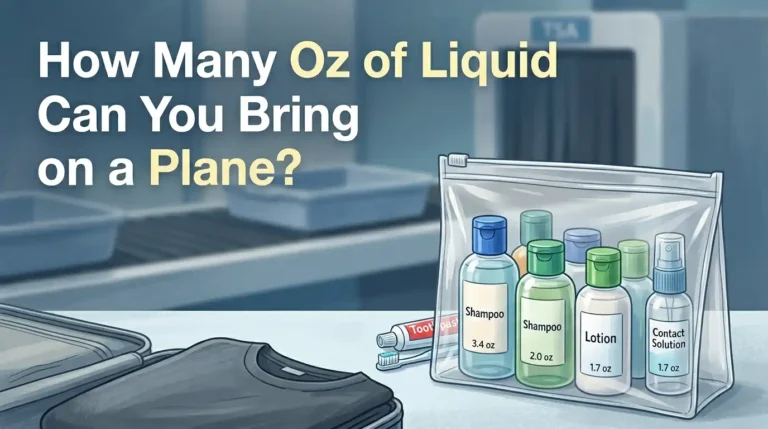
Liquid medications follow a different set of rules. Containers of 3.4 ounces or less follow the standard liquid rule and go in your quart sized bag. Liquid medications over 3.4 ounces are also allowed, but you must declare them to a TSA officer before screening.
The TSA does not require you to have a prescription label on your medication. However, having one can prevent confusion and speed up the process. Officers may test larger liquid containers using test strips, which is a quick and harmless procedure.
Always Pack Medication in Your Carry On Bag
Every major airline recommends placing medication in your carry on bag, not your checked luggage. This advice exists for very practical reasons. Checked bags can be lost, delayed, or rerouted. If your bag ends up in a different city, you lose access to essential medication.
The cargo hold of an aircraft also reaches extreme temperatures. Cold conditions can freeze liquid medications and heat can degrade sensitive formulas. Your carry on stays in the climate controlled cabin with you the entire flight.
Place your medication bag in an easily accessible outer pocket of your carry on. This lets you pull it out fast at the security checkpoint. It also means you can reach your medication during the flight without digging through your bag.
Pros: Immediate access, protection from temperature extremes, no risk from lost luggage.
Cons: Takes up space in your carry on, must be removed at security if liquids are included.
Keep Medications in Original Containers When Possible
The TSA does not legally require prescription labels on your medication. However, keeping your medicine in its original pharmacy labeled container is still the smartest approach. Labels clearly show your name, the prescribing doctor, the drug name, and the dosage.
This becomes especially important for controlled substances like opioids, benzodiazepines, or stimulants. While TSA officers do not verify prescriptions, other law enforcement agencies may ask questions during travel. A labeled container answers those questions instantly.
For international travel, the CDC recommends always using original containers. Customs officials in other countries may refuse entry to travelers who carry unlabeled medication, especially if the drug is a controlled substance in that country.
Pros: Quick identification at security, proof of prescription, fewer questions from law enforcement.
Cons: Bulky bottles take more space, multiple prescriptions create clutter.
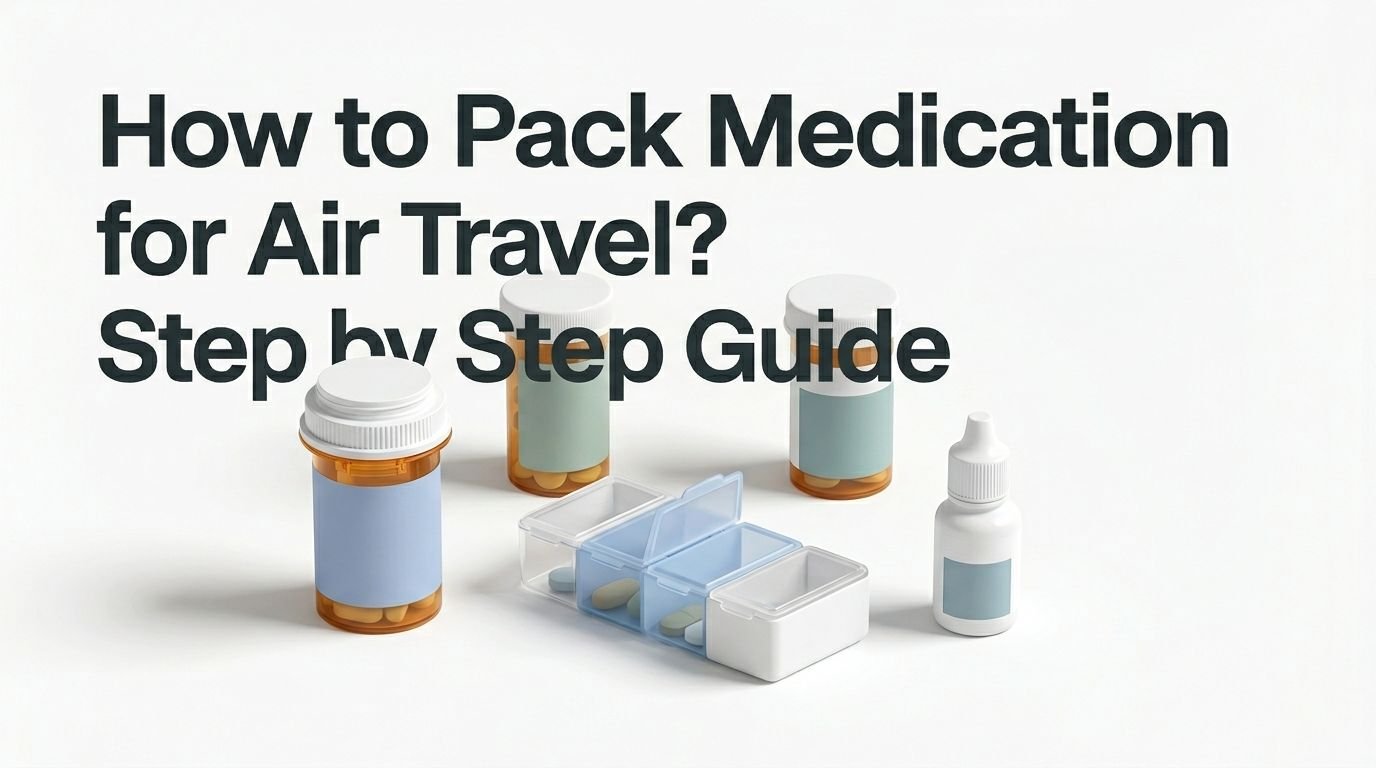
Use a Pill Organizer the Right Way
Many travelers prefer a weekly pill organizer to save space and stay on schedule. The TSA confirms that you can use a pill case to carry medication through airport security. This is perfectly legal for domestic flights within the United States.
However, a pill organizer removes your medication from its identifying label. If a TSA officer or law enforcement agent questions the contents, you will have no easy proof of your prescription. Carry a photo of your prescription labels on your phone or a printed copy in your bag as backup.
For international trips, a pill organizer can create real problems at customs. Many countries require prescription proof for certain drugs. A simple solution is to bring both your original containers and your pill organizer. Use the organizer for daily doses and keep the labeled bottles as backup documentation.
Pros: Saves space, keeps doses organized by day, convenient for daily routines.
Cons: No prescription proof, can raise questions at international customs, pills may shift or break.
How to Pack Liquid Medications Correctly
Liquid medications receive a special exemption from the TSA’s 3.4 ounce liquid rule. You can bring medically necessary liquids in reasonable quantities in your carry on. This includes cough syrup, liquid prescriptions, eye drops, and saline solutions.
The key rule is simple. You must declare liquid medications to the TSA officer at the beginning of the screening process. Remove these items from your bag and present them separately. Officers may test the liquids or run them through additional screening.
Pack liquid medications in a clear zip lock bag to prevent leaks and allow easy inspection. Place this bag on top of your carry on contents so you can remove it quickly. If the liquid is in a container larger than 3.4 ounces, keep it separate from your standard toiletry bag.
Pros: TSA exemption allows large quantities, no need to check liquids in baggage.
Cons: Must declare at checkpoint, may cause brief delays for extra screening, risk of spills.
Packing Injectable Medications, Needles, and Syringes
Travelers who use insulin, EpiPens, or other injectable medications can bring needles and syringes through security. The TSA allows unused syringes when accompanied by injectable medication. You must declare these items at the security checkpoint.
Pack syringes, needles, alcohol swabs, and your injectable medicine together in one dedicated clear bag. Keep the prescription label visible on the medication vial or pen. A doctor’s letter stating the medical need for these supplies adds an extra layer of protection.
Bring a travel sized sharps container for used needles and syringes. Never dispose of sharps in airplane trash bins or airport restroom waste baskets. Many airports have medical waste disposal stations in restrooms if you need to discard used supplies.
Pros: Full TSA approval with proper documentation, syringes and needles allowed in carry on.
Cons: Must declare every time, extra screening is common, requires a sharps container.
Handle Controlled Substances With Extra Care
Controlled substances like Adderall, Xanax, OxyContin, and medical marijuana (in legal states) require extra attention during air travel. The TSA’s primary focus is security threats, not drug enforcement. However, TSA officers are required to report illegal items to law enforcement.
For federally controlled prescription medications, always carry them in the original labeled bottle with your name on it. Bring a copy of your prescription or a doctor’s letter that states the drug name, dosage, and reason for use.
Medical marijuana remains federally illegal in the United States, even if your departure and destination states have legalized it. The TSA follows federal law, not state law. Carrying marijuana through a federal security checkpoint can result in referral to local law enforcement.
Pros of proper documentation: Smooth screening, protection from legal issues, peace of mind.
Cons of poor preparation: Potential delays, law enforcement referral, confiscation of medication.
Protect Temperature Sensitive Medications During Travel
Some medications must stay within a specific temperature range to remain effective. Insulin, certain biologics, and some liquid antibiotics require refrigeration between 2°C and 8°C (36°F to 46°F). Air travel presents unique challenges for these drugs.
Use an insulated travel cooler or medical travel case with gel ice packs. Place a barrier (like a cloth or paper towel) between the ice pack and the medication to prevent freezing. Direct contact with an ice pack can drop the temperature below safe levels and damage the drug.
Request a room refrigerator at your hotel when you make your reservation. During layovers, keep the insulated case sealed to maintain temperature. Never place temperature sensitive medication in checked luggage, as cargo holds can reach freezing temperatures during flight.
Pros of insulated cases: Reliable temperature control, portable, reusable gel packs.
Cons: Adds weight to carry on, gel packs may need replacement on long trips, extra cost.
Prepare the Right Documentation Before Your Trip
Good documentation makes the difference between a quick screening and a stressful delay. A doctor’s letter should include your full name, the medication name (both brand and generic), the dosage, and a statement that the medication is medically necessary.
Carry printed copies of your prescriptions and keep digital copies on your phone. Some countries require an official letter on the doctor’s letterhead with a signature. For controlled substances, a few countries require an import permit or a special medical certificate.
The International Narcotics Control Board (INCB) publishes country specific regulations for travelers carrying controlled substances. Check these regulations well before your departure date. Your pharmacist or travel medicine clinic can also help you gather the right paperwork.
Know the Rules for International Travel With Medication
International travel adds a layer of rules beyond TSA screening. Each country has its own laws about which drugs are allowed, which are restricted, and which are completely banned. A drug that is over the counter in the United States may be illegal in another country.
For example, pseudoephedrine (found in some cold medicines) is banned in Japan and Mexico. Codeine is restricted or banned in several countries across Asia and the Middle East. Some sleep aids and anti anxiety medications are classified as narcotics abroad.
The CDC recommends carrying no more than a 90 day supply of any medication for international trips. Keep all medications in their original containers with pharmacy labels. Declare all drugs and similar products to customs officials upon arrival. Research your destination’s specific rules through its embassy or consulate website.
Create a Medication Travel Checklist
A simple checklist prevents last minute panic and forgotten items. Start your list at least one week before departure. This gives you time to refill prescriptions, get a doctor’s letter, and research your destination’s drug laws.
Your checklist should include: all daily medications, backup supplies for at least two extra days, copies of prescriptions, a doctor’s letter for controlled or injectable medications, an insulated case for temperature sensitive drugs, a clear bag for liquids, and a sharps container if needed.
Write the generic name of each medication on your list. Brand names vary by country. If you need emergency care abroad, a doctor in another country will recognize the generic name much faster. Store this list in your phone and keep a printed copy in your carry on.
What to Do If Your Medication Is Questioned at Security
Stay calm if a TSA officer pulls your medication for additional screening. This is a normal part of the process, especially for liquid medications, syringes, and larger quantities of pills. Officers are trained to handle medical items with care.
Politely explain what the medication is and why you need it. Present your prescription, doctor’s letter, or pharmacy label if asked. You are not required to disclose your medical condition, but explaining that the medication is prescribed can speed things up.
If an officer at an international checkpoint confiscates your medication, ask for a written receipt and the reason for confiscation. Contact your country’s embassy or consulate for help. Having digital copies of all your documents on your phone provides a valuable backup in these situations.
Tips for Long Flights and Multi Stop Trips
Long flights and trips with multiple connections require extra planning. Pack enough medication in your carry on for the entire journey, including delays and layovers. Do not put any portion of your daily medication in checked bags, even for the return trip.
Adjust your medication schedule for time zone changes. Talk to your doctor before the trip about how to shift doses safely. This is especially important for time sensitive drugs like insulin, blood thinners, and hormonal medications.
For multi stop international trips, check drug laws for every country you will visit or transit through. A layover in a country with strict drug laws still subjects you to that country’s regulations. Keep your documentation accessible at every stop along the way.
Frequently Asked Questions
Can I bring medication on a plane without the original bottle?
Yes, the TSA does not require medications to be in their original prescription containers for domestic flights within the United States. However, keeping them in labeled bottles is strongly recommended for controlled substances and international travel. A labeled bottle serves as proof of your prescription and can resolve questions at security or customs.
How much medication can I bring on a plane?
There is no TSA limit on pills, capsules, or solid medications. You can bring as much as you need. Liquid medications over 3.4 ounces are also allowed in carry on bags, but you must declare them at the checkpoint. For international travel, a 90 day supply is the general guideline recommended by the CDC and most customs agencies.
Do I need a doctor’s note to fly with prescription medication?
A doctor’s note is not required by the TSA for domestic travel. However, it is highly recommended for controlled substances, injectable medications, and any international travel. A doctor’s letter provides clear proof that the medication is medically necessary and prescribed to you.
Can I bring syringes and needles through airport security?
Yes. The TSA allows unused syringes in carry on bags when accompanied by injectable medication. You must declare them at the security checkpoint. Keep the medication’s prescription label visible and pack all supplies together in a clear bag. A doctor’s letter adds additional support.
What happens if my medication is confiscated at an international airport?
Request a written receipt and the specific reason for confiscation from the customs or security officer. Contact your country’s embassy or consulate for assistance. Having digital copies of your prescriptions and doctor’s letters on your phone gives you documentation to support your case. Research destination drug laws before departure to reduce this risk.
Can I fly with medical marijuana?
Medical marijuana remains illegal under United States federal law. The TSA enforces federal regulations, not state laws. Carrying marijuana through a TSA checkpoint can result in referral to local law enforcement, regardless of whether your departure or arrival state has legalized it.

Hi, I’m Marie Bennett, the founder of PackSmart.blog.
I write about travel essentials and Amazon gear reviews to help you pack smarter and travel lighter.
From must-have accessories to space-saving gadgets, I test and share what truly works on the road.
My mission is to make every trip stress-free and organized for travelers like you.
Join me as I explore smarter ways to travel—one bag at a time.