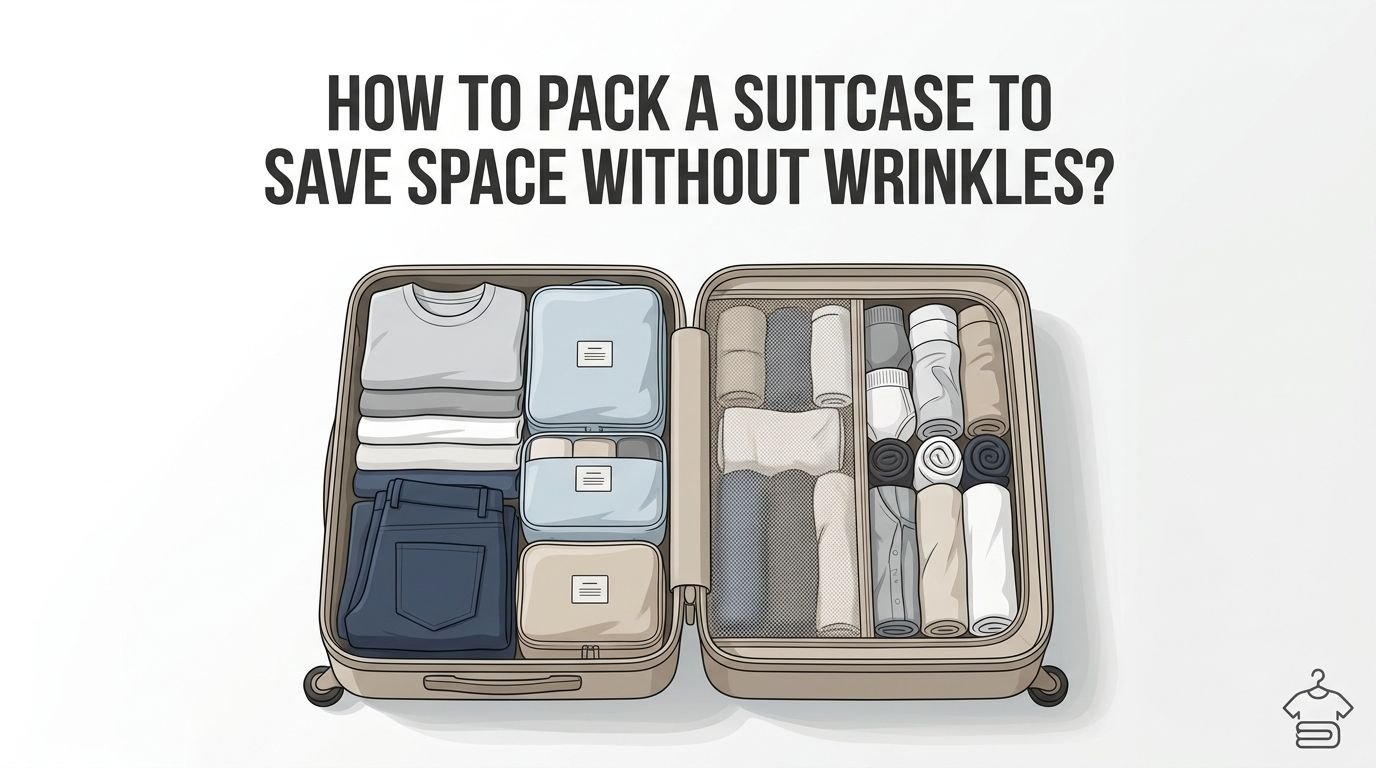
How to Pack a Suitcase to Save Space Without Wrinkles?
Have you ever opened your suitcase at a hotel only to find a wrinkled mess? You spent time ironing, carefully choosing outfits, and planning your trip wardrobe. Then your clothes came out looking like crumpled paper. This is one of the most common frustrations travelers face, whether packing for a weekend trip or a two week vacation.
The good news is that packing a suitcase to save space without wrinkles is a skill anyone can learn. You do not need expensive gear or years of travel experience. You just need the right techniques and a smart approach.
This guide gives you 12 practical methods to fit more into your bag while keeping every item smooth and ready to wear. From rolling and bundle wrapping to the military ranger roll, you will find a method that fits your travel style. Let’s get into it.
Key Takeaways
- Rolling your clothes saves about 15% to 20% more space than traditional folding, and it reduces hard creases on most casual fabrics like t shirts, jeans, and lightweight tops. This method works best for everyday items that are not prone to deep wrinkling.
- The bundle wrapping method is the most effective technique for wrinkle prevention on dress shirts, blouses, and formal wear. It wraps garments around a central core object, which eliminates fold lines entirely. However, it makes accessing individual items harder during your trip.
- Packing cubes combined with rolling give you the best balance of space savings and wrinkle prevention. Compression packing cubes keep rolled clothes tight and organized, which stops items from shifting and creasing during transit.
- Tissue paper and dry cleaning bags placed between layers of clothing reduce friction, which is a leading cause of wrinkles. This trick works especially well for silk, linen, and other delicate fabrics that crease easily.
- Always pack heavier items at the bottom of your suitcase near the wheels. This creates a stable base and prevents heavy objects from crushing lighter garments during travel.
- The ranger roll (military roll) is ideal for compact packing because it locks each item into a tight cylinder that will not unroll. This method combines folding and rolling to create secure, space saving bundles perfect for carry on bags.
Why Your Clothes Wrinkle Inside a Suitcase
Wrinkles form because of pressure, friction, and moisture. Your suitcase compresses clothes together, and each fold line becomes a crease under that pressure. Friction between fabric layers adds to the problem. Certain materials like linen, silk, and lightweight cotton are especially prone to this.
Temperature changes during flights also play a role. Cargo holds can get cold, and fabrics contract and expand slightly, which sets wrinkles deeper into the fibers. The longer your clothes stay compressed in a suitcase, the more stubborn those creases become.
Understanding these causes helps you fight them directly. The goal is to reduce fold lines, minimize friction between garments, and keep items from shifting around. Every technique in this post addresses one or more of these root causes.
Choose the Right Fabrics Before You Pack
Your packing success starts before you even open your suitcase. Fabric choice matters more than most people realize. Synthetic blends, polyester, knits, wool blends, and jersey fabrics resist wrinkles naturally. These materials bounce back to their original shape even after hours of compression.
On the other hand, pure linen, cotton, silk, and rayon wrinkle very easily. If you must bring these fabrics, they need extra care during packing. Use tissue paper between layers or choose the bundle wrapping method for them specifically.
A simple test can help you decide. Grab a handful of the fabric and squeeze it for ten seconds. If it springs back without deep lines, it will travel well. If it holds the creases, plan to give that garment extra protection inside your suitcase.
The Rolling Method: A Classic Space Saver
Rolling is the most popular packing technique for good reason. You lay a garment flat, smooth out any wrinkles, fold it in half lengthwise, and then roll it tightly from one end to the other. This eliminates the sharp fold lines that traditional folding creates.
Rolling saves about 15% to 20% more space than flat folding. Rolled items also fit into gaps and corners of your suitcase more easily. This method is perfect for t shirts, casual pants, shorts, pajamas, and workout clothes.
Pros: Saves significant space. Reduces hard fold creases. Easy to see and access individual items. Works well for casual clothing. Simple to learn and execute.
Cons: Not ideal for structured garments like blazers or dress shirts. Very thin or delicate fabrics can still wrinkle if rolled loosely. Items can unroll if not packed tightly together.
The Ranger Roll: Military Precision Packing
The ranger roll takes basic rolling to another level. This military packing technique locks each rolled item so it cannot come undone. Here is how it works for a shirt: lay it flat, flip about three inches of the bottom hem inside out to create a cuff, fold both sleeves toward the center, then roll tightly from the collar down to the cuff. Finally, tuck the entire roll into the inside out cuff.
This creates a compact, self contained cylinder that holds its shape. It works for t shirts, pants, underwear, and socks. Soldiers use this method to fit maximum gear into limited pack space.
Pros: Extremely compact. Rolls stay locked and do not unravel. Great for carry on bags where space is critical. Works for most clothing types.
Cons: Takes more time to learn and execute. Not suitable for delicate or formal garments. The tucking step can be tricky with thicker fabrics.
Bundle Wrapping: Best for Wrinkle Free Results
Bundle wrapping is considered the gold standard for wrinkle prevention. This method involves wrapping each garment around a central core object, such as a small pouch filled with underwear or socks. You layer garments one at a time, alternating direction, and wrap each one completely around the growing bundle.
Start with the most wrinkle prone items on the outside, like blazers and dress shirts. Place structured jackets first, then dress shirts, then pants, and so on. The curved wrapping motion eliminates fold lines because no garment has a hard crease.
Pros: Produces the fewest wrinkles of any packing method. Excellent for formal and business clothing. Keeps garments smooth and ready to wear upon arrival.
Cons: Difficult to access individual items without unwrapping everything. Takes practice to learn the layering order. Less space efficient than rolling for casual clothes. Best suited for trips where you unpack at one destination.
How to Use Packing Cubes Effectively
Packing cubes are rectangular fabric containers that organize your suitcase into sections. Compression packing cubes add a zipper that squeezes out extra air, creating even more space. Research shows that clothing is roughly 8% air, and compression cubes reduce that trapped air significantly.
The best approach is to roll your clothes and then place them inside the cubes. This combines the space saving benefits of rolling with the organization and compression of the cubes. Assign each cube a category: one for tops, one for bottoms, one for underwear and socks.
Pros: Keep your suitcase organized throughout the trip. Compression versions maximize space. Prevent clothes from shifting and wrinkling during transit. Easy to move between suitcase and hotel drawers.
Cons: The cubes themselves take up a small amount of space. Overpacking a cube can create wrinkles from excessive compression. You need to invest in a set before your trip.
The Tissue Paper and Plastic Bag Trick
This simple trick dramatically reduces wrinkles on delicate and formal clothing. Place a sheet of tissue paper between each layer of clothing as you fold or stack garments. The tissue paper reduces friction between fabric surfaces, which is one of the main causes of creasing.
Dry cleaning bags work even better for this purpose. The slippery surface of the plastic prevents fabrics from gripping each other, so they slide instead of bunching. You can also wrap individual garments in tissue paper before rolling them. This is especially effective for silk blouses, linen pants, and dress shirts.
Keep the tissue paper unscented to avoid transferring any fragrance to your clothes. Some travelers also tuck a dryer sheet into their suitcase, which adds a fresh scent and reduces static cling between garments.
Pack Heavier Items at the Bottom
The placement of items inside your suitcase matters as much as the folding technique. Always place your heaviest items at the bottom, near the wheels if you use a rolling suitcase. This includes shoes, jeans, heavy sweaters, and toiletry bags.
This bottom heavy arrangement creates a stable foundation that prevents crushing. If you place a heavy pair of boots on top of a silk blouse, the weight will press deep wrinkles into the fabric. Lighter, more delicate items should always go near the top of the suitcase.
Shoes deserve special attention. Stuff them with socks or small items to save space and help them hold their shape. Place shoes along the edges or at the very bottom. Shoe bags protect your clothes from dirty soles.
Fill Every Gap and Dead Space
Empty spaces inside your suitcase allow items to shift during travel. That movement creates wrinkles. Your goal is to fill every gap so that nothing can slide around. Think of it like a puzzle where every piece fits snugly.
Roll up socks, underwear, and small accessories and tuck them into shoes, corners, and gaps between larger items. Belts can line the inside perimeter of your suitcase. Scarves and lightweight layers fill the spaces around packing cubes or between rolled clothing.
A fully packed suitcase where items cannot move will keep everything smooth. If you find your bag is not completely full, place a towel or laundry bag on top to add gentle pressure and hold everything in place.
Layer Strategically Inside Your Suitcase
The order in which you load your suitcase directly affects wrinkles. Start with a flat base layer of heavy, wrinkle resistant items like jeans or sweaters. This creates a smooth surface for the layers above.
Next, add your rolled casual clothing or packing cubes in a single organized layer. Place tissue paper or a dry cleaning bag on top of this layer if you are adding delicate items above. Formal garments like dress shirts or dresses should go on top, closest to the opening of the suitcase.
Keep items you need first, like pajamas or a change of clothes, at the very top. This way you access them without disturbing the carefully packed layers below. Strategic layering combines space efficiency with wrinkle prevention in one simple system.
What to Do If Wrinkles Still Happen
Even with the best packing, some wrinkles may appear. Do not panic because several quick fixes work within minutes. The easiest method is the bathroom steam trick. Hang your wrinkled garments on the bathroom door, close the door, and run the shower on hot for ten minutes. The steam relaxes the fibers and releases most creases.
A wrinkle release spray is another lightweight travel tool. It fits easily in a toiletry bag and works on most fabrics. Simply spray the garment lightly, tug the fabric smooth, and hang it to dry.
If your hotel room has an iron, use it on a low setting with steam. For quick fixes without any tools, try hanging the garment near a window where warm sunlight hits it. Body heat also works: wear the slightly wrinkled garment, and your body warmth will smooth out minor creases within thirty minutes.
A Quick Packing Checklist Before You Zip Up
Before you close your suitcase, run through this final check. Confirm that heavy items sit at the bottom and delicate garments rest on top. Make sure all gaps are filled with small items so nothing can shift during travel.
Check that each rolled item is tight and will not unravel. If you used the bundle method, make sure the outer wrapping is secure. Verify that tissue paper or plastic layers separate any wrinkle prone fabrics.
Give the suitcase a gentle shake. If you hear or feel items moving, add a light layer on top for gentle compression. A well packed suitcase should feel firm and uniform inside. This final minute of checking can save you from opening a wrinkled mess at your destination.
Frequently Asked Questions
Is rolling or folding better for preventing wrinkles?
Rolling is generally better for preventing wrinkles on casual clothing because it avoids hard fold lines. Folding can create deep creases where the fabric bends sharply. However, formal garments like blazers and structured shirts may benefit from flat folding with tissue paper between layers. The best approach for most travelers is to roll casual items and use the bundle wrapping method for formal pieces.
How do packing cubes help prevent wrinkles?
Packing cubes prevent wrinkles by keeping your clothes compressed and stationary. Items cannot shift, slide, or bunch up during travel. Compression packing cubes squeeze out excess air and hold garments firmly in place. This steady, even pressure produces fewer wrinkles than loose packing where clothes move freely inside the suitcase.
Does the bundle wrapping method really work?
Yes, bundle wrapping is widely considered the most effective method for wrinkle prevention. It works by wrapping garments in curved layers around a central core, which eliminates all fold lines. Travel experts and frequent flyers consistently recommend it for business trips and formal occasions. The trade off is that you must unwrap everything to reach a single item.
Can tissue paper really prevent wrinkles during packing?
Tissue paper reduces friction between fabric layers, which is a primary cause of wrinkles. It creates a smooth barrier that lets garments glide against each other instead of gripping and bunching. This trick is especially useful for delicate fabrics like silk, linen, and satin. Dry cleaning bags and plastic garment covers serve the same purpose.
What is the fastest way to remove wrinkles from packed clothes?
The bathroom steam method is the fastest option without any tools. Hang the garment in the bathroom and run the shower on hot with the door closed. Steam will relax the fibers and release most creases within ten to fifteen minutes. A wrinkle release spray is another quick solution that you can carry in your toiletry bag for on the go fixes.
How tight should I roll clothes to save the most space?
Roll as tightly as possible without stretching the fabric. A firm, snug roll removes air and prevents the item from unraveling. The ranger roll technique is ideal because it locks each roll in place with a cuff. If your roll feels loose or floppy, unroll it and try again with a tighter grip from the starting point.

Hi, I’m Marie Bennett, the founder of PackSmart.blog.
I write about travel essentials and Amazon gear reviews to help you pack smarter and travel lighter.
From must-have accessories to space-saving gadgets, I test and share what truly works on the road.
My mission is to make every trip stress-free and organized for travelers like you.
Join me as I explore smarter ways to travel—one bag at a time.