Osprey Transporter Waterproof Duffel Review 2026: Buy or Pass?
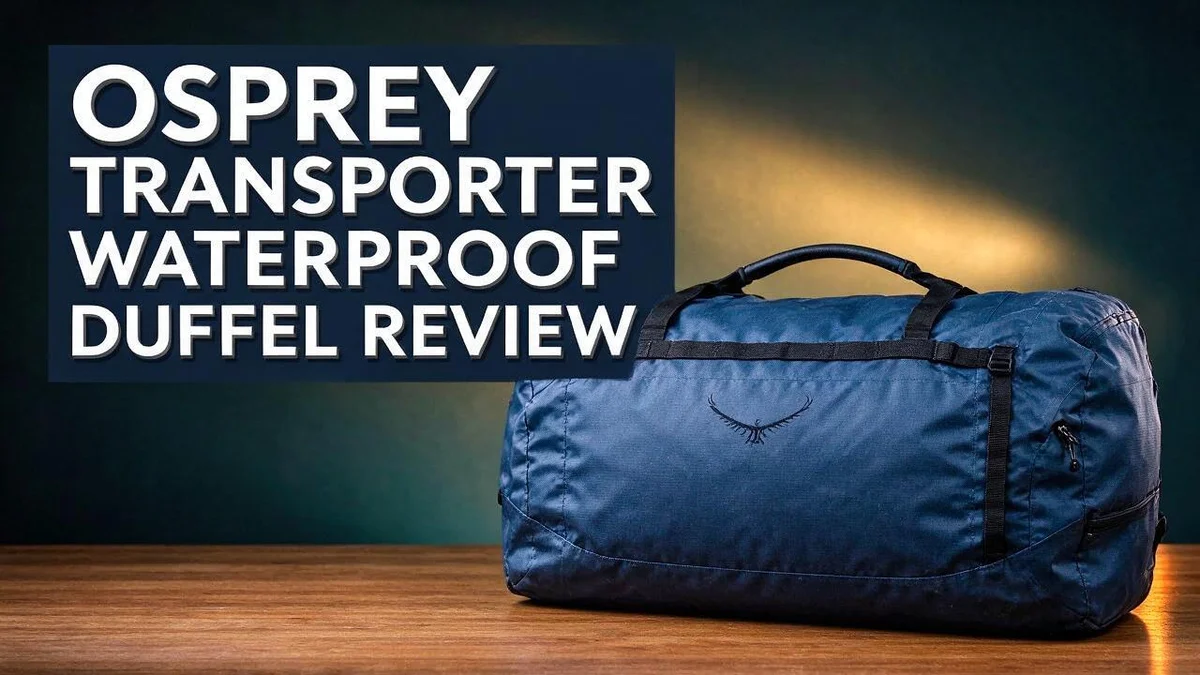
The Osprey Transporter Waterproof Duffel aims to fix that problem. Osprey markets the 40L model for multiday whitewater and overland trips. It helps keep sleeping bags and tents dry.
Reviewers praise its durability and comfortable carry. The thick straps feel good on your shoulders. It also keeps contents dry in rain.
I need to be clear on one point. The main compartment is weather protected, but it is not confirmed fully waterproof.
Some reviewers also note fit and weight issues on the 30L model above 35 lbs. This review covers what works, what does not, and who should buy it.
In a Nutshell
- Best fit: The 40L model targets multiday whitewater and overland trips. Osprey markets it for sleeping bags and tents.
- Rain protection: Reviewers say it keeps contents dry in rain. The main compartment is weather protected, but research does not confirm it is fully waterproof.
- Carry system: The thick straps make hauling the bag easier. You can expect a steady feel on longer walks to camp.
- Size range: Osprey lists a 150 model too. The research gives no details on it, so check the specs before you pick it.
- Who should look elsewhere: Paddlers who want full submersion protection should compare the bag with Ortlieb Waterproof Duffels. Those come in 85L, 110L, and 140L sizes.
- Bottom line: This duffel suits wet weather travel and rugged trips. It works best when you want lightweight versatility instead of a fully sealed bag.
Weather Protection and Water Resistance


Last update on 2026-11-11 / Affiliate links / Images from Amazon Product Advertising API Some of the links on this website are affiliate links, which means that at no additional cost to you, I earn a commission if you click through and make a purchase. I only recommend products and services that I believe will add value to my readers. Thank you for your support!
Weather can change fast on a trip. A little rain can turn a dry bag into a soggy mess. Smart packing matters just as much as the bag itself.
Start by placing your sleeping bag in a second layer of protection. Put it inside a stuff sack before it goes into the duffel. This adds extra safety if moisture gets past the main compartment.
Think about where you set the bag down, too. Keep it off wet ground at camp. A flat, raised spot works best after a storm, especially when the soil stays soggy.
Check the zips and closures before every trip. Wipe away sand, grit, and grime. Dirt can stop a seal from closing fully, which lets water slip in.
Water that sits on the outside usually runs off quickly. Long, heavy downpours can still soak through seams over several hours. Plan for that possibility when you pick your gear.
Pack the most important items in the center of the bag. Keep electronics and spare clothes there. If water reaches the edges, your key gear stays safer.
Drying the bag after use protects it for years. Open it fully and let it air out in the shade. Direct sun can fade the material over time.
Never store the bag while it is damp. Trapped moisture can lead to mildew and unpleasant smells. A quick rinse and complete dry keeps the bag fresh for the next adventure.
Good habits make a big difference. Careful packing, clean seals, and proper drying help the duffel perform at its best in wet conditions.
Build Quality and Materials
Build quality matters most when a bag gets tossed, dragged, and dropped. Reviewers describe the Osprey Transporter as durable, which suggests it can handle rough handling on long trips.
Material choice shapes how a bag ages. Osprey calls the duffel a mix of lightweight versatility. That balance points to a design that aims for strength without extra bulk.
The research does not confirm full waterproofing for the main compartment. Think of the bag as a strong shield against rain rather than a sealed tank.
Feel the fabric before you buy. Run your hand over the surface and look for an even weave. Tight, straight stitching often signals careful manufacturing.
Test the straps by pulling them hard. Thick straps suggest a bag built for heavy loads, yet the stitching where they meet the body deserves a close look.
Pay attention to the handles. Handles take heavy strain when you lift a full duffel. Grip them firmly and check for loose threads or weak spots.
Inspect the base too. A bag that sits on rough ground takes constant wear. A sturdy base helps the duffel stand up to gravel, sand, and rocky campsites.
Think about how you will use it. A bag that feels solid in a shop still needs regular care. Wipe off grit after each trip so dirt does not wear down the material over time.
Some owners also read the care labels and product tags. Following those tips keeps the fabric in good shape for many seasons. Overall, the build suits people who value a tough, practical bag for rugged travel and frequent use.
Carry Comfort and Strap Design
Comfort starts with how the bag sits on your body. A duffel that feels fine empty can feel very different when it holds gear for a long day.
Think about your usual carry style first. Some people sling a duffel over one shoulder. Others prefer to hold it in one hand or carry it across the body. Each choice shifts weight in a different way.
Load balance matters more than most buyers expect. Heavy items sitting low and close to the center keep the bag steady. A load that sits high pulls harder on your shoulder.
Set the bag down often on long walks. Short breaks ease pressure on your back and arms. Carry the bag in alternating hands when possible. Switching sides spreads the load across your body.
Weigh the packed bag on a bathroom scale before you leave home. This simple check helps you avoid strain on long walks.
Look for a strap that stays in place without slipping. If the strap adjusts, set the length so the bag rests against your hip instead of swinging wide.
Your height and build change how a bag feels. A duffel that suits a tall hiker may hang too low on a shorter frame. Try it on with a full load if you can.
Wet fabric and wet gear add extra pounds fast. Dry your items before packing so the bag stays light.
Small changes often make the biggest difference for your shoulders and back. A comfortable carry makes long trips far more enjoyable. Pack smart, check the fit, and you will enjoy the carry on every trip.
Top 3 Alternatives
Looking for a different bag for your next trip? These three options cover travel, gear hauling, and weekend adventures. Each one offers a unique mix of durability, storage, and style.
Patagonia Black Hole Duffel

Last update on 2026-11-11 / Affiliate links / Images from Amazon Product Advertising API Some of the links on this website are affiliate links, which means that at no additional cost to you, I earn a commission if you click through and make a purchase. I only recommend products and services that I believe will add value to my readers. Thank you for your support!
This duffel is built for everyday adventures. Its durable outer shell handles rain, dirt, and rough handling. The padded straps make it easy to carry over long distances. Many travelers like how it packs down small when empty.
Yeti Panga Duffel

Last update on 2026-11-11 / Affiliate links / Images from Amazon Product Advertising API Some of the links on this website are affiliate links, which means that at no additional cost to you, I earn a commission if you click through and make a purchase. I only recommend products and services that I believe will add value to my readers. Thank you for your support!
This bag focuses on strong waterproof protection. Its welded seams keep water out during boat trips or rainy days. You can toss it in the back of a truck without worrying about wet gear. It also works well for fishing, camping, and outdoor sports.
North Face Base Camp

Last update on 2026-11-11 / Affiliate links / Images from Amazon Product Advertising API Some of the links on this website are affiliate links, which means that at no additional cost to you, I earn a commission if you click through and make a purchase. I only recommend products and services that I believe will add value to my readers. Thank you for your support!
This duffel offers plenty of room for big packing jobs. It has several compartments that keep clothes, shoes, and gear organized. Hikers and campers often choose it for trips that need extra storage. Its sturdy build helps it last season after season.
Pick the bag that fits your trip, your gear, and your style.
Capacity, Size Options and Packing Space
Capacity is the first thing to check. The Osprey Transporter comes in several sizes, and each one suits a different kind of trip. Choosing the right size saves you from carrying empty space or squeezing gear in.
The 40L model fits longer adventures. Osprey markets it for multiday whitewater and overland trips. It gives room for bulky items like sleeping bags and tents, which helps you keep them dry on the trail.
The 30L model is the smaller option. Reviewers have shared feedback on its fit and weight. Some note that fit and weight become a concern when the load passes 35 lbs. Keep heavy gear under that limit for comfort.
A 150 model is also listed. Details for this model are not clear yet. Check the latest specs before you decide.
If you need more room, Ortlieb offers waterproof duffels in 85L, 110L, and 140L sizes. Those bigger options suit large expedition gear. Compare the sizes side by side before you decide.
Packing space depends on your gear. Lay out your items before you choose a size. Roll sleeping bags tightly to save room. Leave a little space for wet items that need to dry.
Measure your usual load first. Pack a typical trip at home and see how full the bag gets. Notice whether you have room to spare or need more space. This quick test shows which size fits your habits.
Leave room for extra layers. Jackets, food, and first aid kits take up space fast. Add them to your plan before you pack. A bag that feels full on day one may feel tight on day three.
Weight and Fit Considerations
Start with a weight limit you can live with. Some reviewers report fit and weight issues on the 30L model once a load passes 35 lbs. Set that number as your personal ceiling before you shop.
Empty weight matters too. A bag that feels light in a store still adds to your pack total. Keep the bag’s own weight in mind when you add up your gear.
Test the fit with an empty bag first. Put the duffel on your shoulders and walk around the shop. Notice where the bag rests against your back and sides.
Next, try a loaded test at home. Fill the bag with heavy items and walk for ten minutes. Pressure points often appear only after the weight settles in.
Short walks hide problems that long days reveal. A load that feels fine for five minutes can wear you down after several hours. Test your gear on a longer route when possible.
Check the ground you will cross. Stairs, mud, and steep banks shift weight in ways that flat paths never do. Plan your route with those spots in mind.
Notice your posture after a few minutes. Many people lean forward or hunch when a bag feels heavy. Stand tall and check whether your shoulders stay relaxed. A good fit lets you walk upright without strain.
A 40L bag holds more, so it can tempt you to pack extra. Extra room often leads to extra items. Keep an eye on the total weight, even when the bag still has space left.
Share the load when possible. If two people carry gear together, split the weight based on each person’s strength. This keeps one person from carrying most of the burden.
Compress your sleeping bag inside its own stuff sack. This trims bulk and keeps the bag tidy. A smaller load is often easier to balance on your back.
Best Trips and Activities
Whitewater trips are one of the best uses for this duffel. Osprey markets the 40L model for multiday whitewater adventures.
Spray, splashes, and wet decks are common on these trips. The bag helps keep sleeping bags and tents dry on the water.
Overland trips suit this bag well too. Long drives over rough tracks can wear gear down, so thick straps make a real difference.
Think about how you reach camp each day. Walking, paddling, or driving puts different demands on your bag.
Keep one rule in mind. The main compartment offers weather protection, but it is not confirmed fully waterproof. Pack clothes and electronics in separate dry bags for extra safety.
Full submersion is a different challenge than splashes. River crossings and boat transfers call for extra protection.
Short trips need a different size. A weekend beach stay or day outing often needs less room. The 30L model may suit these plans better.
Pick the size that fits your plan, not just your gear list. Your trip type should guide the choice.
Camp life brings its own needs. Tents, sleeping bags, and camp gear can travel together in one bag. That keeps your setup simple at every stop.
Longer adventures reward a bag that stays organized. Keep food, maps, and spare layers in easy reach by packing them near the top.
Desert or coastal camps may also test gear with sand and salt. Rinse the bag after each trip so grit does not wear the fabric.
Overall, this duffel suits adventurous trips with rain, rivers, and rough ground. Pair it with dry bags for full water protection, and you can head out with confidence.
Pros and Cons
Pros
– Sturdy build handles rough trips well.
– Thick straps help spread the load across your shoulders.
– Comfortable to carry for many people.
– Keeps gear dry in the rain.
– Versatile design suits many outdoor activities.
Cons
– Reviewer feedback centers on the 30L model only.
– Loads above 35 lbs may cause discomfort for some users.
– The 150 model has no details available yet.
Who Should Buy It
Wondering if this duffel fits your plans? Start by looking at how you travel. Some buyers find a clear match, while others should look elsewhere.
Bike tourists who strap gear to racks may appreciate having one bag for their kit. Keeping everything in one place saves time at each stop on a long ride.
Group leaders also make good buyers. They often move shared equipment between cars, boats, and campsites. One sturdy bag can simplify that job.
Shoppers who want a bag for rough handling may like this design. Think about trucks, boat decks, and baggage belts, where bags take plenty of knocks.
Some buyers should look elsewhere. Anyone planning to dunk gear deep underwater needs a fully sealed option. Divers and paddlers who expect frequent deep dunks should compare other styles first.
Those who prefer backpacks may find duffels awkward. A duffel sits differently on the back than a pack does, and that difference matters on long walks.
Weekend campers with small cars may struggle to fit extra bags. This duffel can free up trunk space by holding several items at once.
New outdoor fans often feel unsure about what to pack. A single bag can make packing feel simpler and less stressful for first trips.
Experienced hikers may already own several bags. This duffel works best as a dedicated wet gear option rather than a main pack for every trip.
Shoppers comparing waterproof duffels from other brands should line up features side by side. Look at strap design, handle placement, and closure type.
Think about storage too. Gear that sits in a damp shed or garage needs a bag that handles moisture between trips.
Ready to decide? Match the bag to your most frequent trip, not your dream adventure. Keep your expectations realistic, and you will pack with confidence.
Final Verdict
The Osprey Transporter Waterproof Duffel earns a solid recommendation from us. It offers durability and lightweight versatility, which Osprey Europe highlights, and reviewers back that up. Rain protection and carry comfort stand out most.
What wins us over:
- The build feels ready for rough use.
- The thick straps make carrying easier.
- The main compartment keeps contents dry in rain.
Those strengths matter on real trips. A bag that survives bumps and wet weather saves you stress.
Keep the limits in mind. The research does not confirm full waterproofing. Reviewers also mention fit and weight issues with the 30L model on heavy loads.
Try a pack test at home before any trip. Fill the bag with your real gear and carry it around your house. This shows quickly whether the size and weight work for you.
Check the size choice with care. The 40L model targets multiday trips, while the 30L suits lighter loads. The 150 model lacks details, so we cannot judge it yet.
Compare it with a fully sealed bag if your plans include deep water. Ortlieb makes larger waterproof duffels in 85L, 110L, and 140L sizes. Those bags serve a different need.
Our final take: this duffel suits travelers who want a sturdy, comfortable bag for wet and muddy adventures. It works best when you pack sensibly and respect its weather protection limits.
Choose it for rugged, rainy trips and balanced loads. You will likely enjoy a reliable bag that handles the outdoors with ease.
Frequently Asked Questions
Is the Osprey Transporter fully waterproof?
Not fully. The main compartment keeps contents dry in rain, but the research does not confirm full waterproofing. For deep water, choose a fully sealed bag.
Which size should I pick?
The 40L model suits multiday whitewater and overland trips. It holds sleeping bags and tents with room to spare. The 30L model gets feedback on fit and weight, so think about how much you plan to carry.
Can I strap it to a bike rack?
Yes. Bike tourists often strap gear to racks, and one bag keeps the kit together. Pack it evenly so the load sits well on the rack.
How do I clean it after muddy trips?
Rinse off mud with fresh water. Let the bag air dry fully before you store it. This helps the material last longer and stops odors from building up.

Hi, I’m Marie Bennett, the founder of PackSmart.blog.
I write about travel essentials and Amazon gear reviews to help you pack smarter and travel lighter.
From must-have accessories to space-saving gadgets, I test and share what truly works on the road.
My mission is to make every trip stress-free and organized for travelers like you.
Join me as I explore smarter ways to travel—one bag at a time.