Underseat Carry On Luggage Review: Must-Have for 2026
Flying just got easier. You’re standing at the airport gate, watching other travelers struggle with oversized bags.
Meanwhile, you glide past them with your perfectly sized underseat carry on. No checked bag fees. No overhead bin battles. Just smooth, stress-free travel.
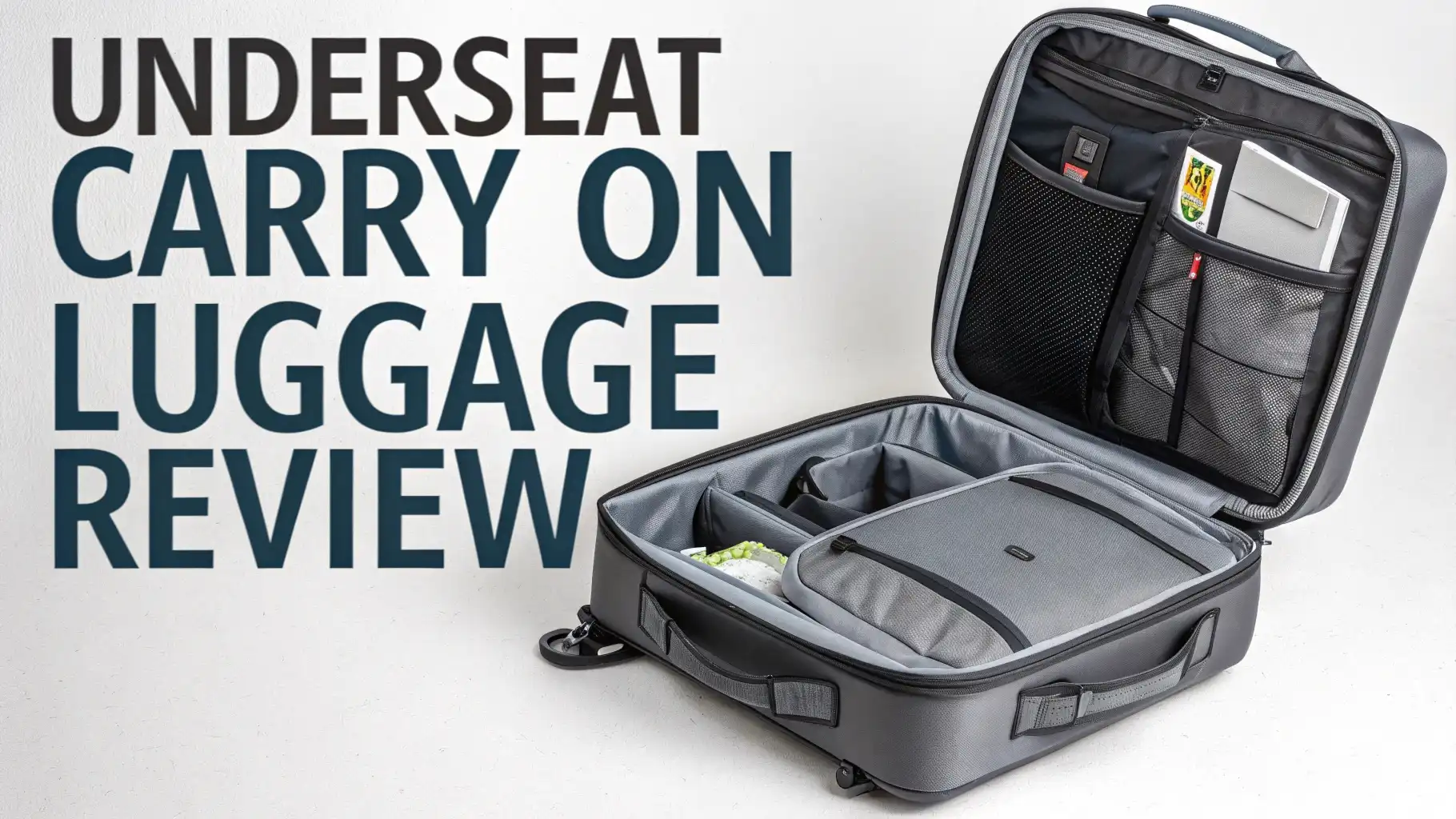
Welcome to your complete guide on underseat carry on luggage. This travel essential fits right under the seat in front of you. It keeps your belongings within arm’s reach during the entire flight.
Key Takeaways:
- Size matters critically – Airlines enforce strict dimensions (typically 18 x 14 x 8 inches). Your bag must fit these limits or you’ll face gate check fees.
- Organization beats capacity – Multiple compartments help you access essentials quickly. Look for dedicated laptop sleeves, water bottle pockets, and quick-access front compartments.
- Wheels change the game – Four spinner wheels reduce strain on your shoulders and back. They make navigating crowded airports effortless.
- Durability protects your investment – Quality materials like ballistic nylon or reinforced polyester withstand years of travel abuse.
- Personal item status saves money – Underseat bags qualify as personal items on most airlines. This means you avoid carry on fees while maximizing your packing space.
- Quick access features matter – TSA-friendly laptop compartments and exterior pockets make security screening faster and less stressful.

Understanding Underseat Carry On Dimensions
Airlines set specific size limits for underseat luggage. Most carriers allow bags measuring 18 inches long, 14 inches wide, and 8 inches tall. These dimensions ensure your bag slides smoothly under the seat ahead of you.
Different airlines have slightly different rules. Budget carriers often enforce stricter limits. Spirit Airlines allows 18 x 14 x 8 inches. United and American follow similar guidelines. Delta permits bags up to 18 x 14 x 8 inches as well.
Measure your bag before you travel. A bag that’s even one inch too large creates problems at the gate. Gate agents use sizing bins to check dimensions. Bags that don’t fit result in checked bag fees ranging from $30 to $100.
The shape of your bag matters too. Soft-sided bags offer more flexibility. They compress slightly to fit tight spaces. Hard-shell options provide better protection but less give. Consider which style matches your travel needs best.
Always check your specific airline’s requirements before purchasing. Some international carriers have different size restrictions. Asian and European airlines sometimes allow smaller dimensions only.
Top 3 Alternative for Underseat Carry On Luggage


Best Features to Look For
Quality underseat luggage includes specific features that enhance your travel experience. Let’s break down what separates great bags from mediocre ones.
Wheels make all the difference. Four spinner wheels rotate 360 degrees. This design lets you push your bag in any direction without tilting it. Two-wheel designs require you to drag the bag at an angle. This puts strain on your arm and shoulder.
Compression straps keep your contents secure. They prevent items from shifting during travel. Look for adjustable straps that cinch down when you’re carrying less.
Water bottle pockets save valuable interior space. External pockets keep drinks accessible without opening your main compartment. Choose bottles with secure closures to prevent airport security issues.
Laptop compartments protect your electronics. TSA-friendly designs let you keep your computer in the bag during screening. This speeds up security lines significantly. Most quality bags accommodate laptops up to 15 or 17 inches.
Trolley sleeves attach your underseat bag to larger rolling luggage. This feature proves invaluable when you’re carrying multiple bags through the airport. The sleeve slides over the extended handle of your main suitcase.
Lockable zippers add security. They won’t stop determined thieves but deter casual theft. Some bags include TSA-approved locks built into the design.
Material Quality and Durability
The material of your underseat bag determines how long it lasts. Cheap materials fail after a few trips. Quality fabrics withstand years of abuse.
Ballistic nylon offers exceptional strength. Originally developed for military applications, this material resists tears and abrasions. It costs more but lasts significantly longer than standard nylon.
Polyester provides a lighter alternative. High-denier polyester (1000D or higher) offers good durability at a lower price point. Lower denier counts wear out faster but weigh less.
Reinforced corners protect high-stress areas. Look for bags with extra stitching or protective caps on corners. These spots take the most abuse when you’re rolling your bag through airports.
Waterproof coatings keep your belongings dry. Some bags feature water-resistant fabrics. Others include rain covers for extra protection. Consider your typical travel destinations when evaluating this feature.
Zippers represent a common failure point. YKK zippers are the gold standard. They operate smoothly and resist breaking under stress. Cheaper zippers catch on fabric and fail prematurely.
Check the stitching quality before buying. Double stitching on stress points indicates better construction. Loose threads or uneven stitching signal poor quality control.
Organization and Compartments
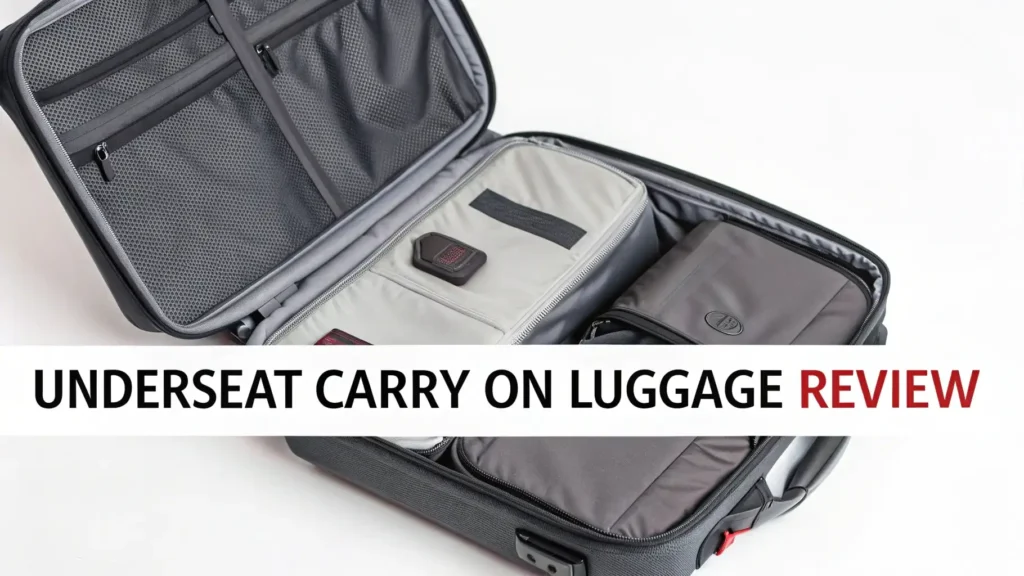
Smart organization transforms how you pack and access your belongings. Multiple compartments keep everything in its place.
A dedicated laptop sleeve protects your computer. Padded sleeves prevent damage from bumps and drops. The sleeve should hold your laptop snugly without excessive movement.
Front pockets provide quick access to essentials. Store boarding passes, headphones, and snacks here. You can grab these items without opening your main compartment.
Interior mesh pockets organize smaller items. They let you see contents at a glance. This visibility helps you find things quickly during your trip.
Separate shoe compartments keep dirty footwear away from clean clothes. Ventilated designs prevent odor buildup. This feature matters most for trips longer than a weekend.
Compression panels maximize packing space. They flatten bulky items like jackets and sweaters. This creates room for additional belongings without exceeding size limits.
Consider how you typically pack. Frequent business travelers need different organization than vacation travelers. Match the bag’s layout to your specific packing style.
Weight Considerations
Empty bag weight affects how much you can pack. Airlines enforce weight limits for personal items, though they check less frequently than for overhead luggage.
Lighter bags let you pack more. An empty bag weighing 5 pounds leaves less capacity than one weighing 3 pounds. Most airlines allow personal items up to 15-20 pounds.
Balance weight with durability. Ultra-lightweight materials often sacrifice strength. Find the sweet spot between manageable weight and adequate protection.
Your physical strength matters too. Older travelers or those with mobility issues benefit from lighter bags. Younger, stronger travelers can handle heavier options.
Rolling designs reduce the impact of weight. You’re not carrying the full load on your shoulder. However, you still lift the bag when placing it under your seat.
Consider the weight distribution. Bags with bottom wheels concentrate weight near the floor. This makes them easier to maneuver. Top-heavy designs feel awkward and tip easily.
Comfort and Handling
How a bag feels during travel impacts your entire experience. Uncomfortable bags turn short walks into painful slogs.
Padded handles protect your hands. Look for ergonomic grips that distribute pressure evenly. Hard plastic handles dig into your palm after a few minutes.
Telescoping handles should extend to a comfortable height. Too short and you’ll hunch over. Too tall and you lose control. Adjustable handles accommodate different user heights.
Shoulder straps offer carrying alternatives. Padded straps with adjustable lengths fit different body types. Some bags include removable straps for maximum flexibility.
The bag’s center of gravity affects rolling performance. Bottom-heavy designs roll smoothly. Top-heavy bags tip when you release them.
Test the maneuverability before buying if possible. Roll the bag around the store. Load it with weight to simulate real travel conditions. Pay attention to how it corners and stops.
Smooth-rolling wheels make a huge difference. Quality bearings glide effortlessly across different floor surfaces. Cheap wheels stick and wobble, making navigation frustrating.
Price Ranges and Value
Underseat carry on luggage spans a wide price range. Understanding what you get at each level helps you make smart purchasing decisions.
Budget options ($30-$60) work for occasional travelers. These bags feature basic construction and minimal features. They last for 5-10 trips before showing significant wear.
Mid-range bags ($60-$120) offer better materials and more features. Expect quality zippers, comfortable handles, and thoughtful organization. These bags typically last several years with regular use.
Premium options ($120-$250) provide superior durability and design. Top brands use advanced materials and innovative features. These bags often include lifetime warranties or extensive guarantee periods.
Consider your travel frequency when evaluating price. Flying twice a year makes a budget bag reasonable. Monthly travelers benefit from premium quality that withstands constant use.
Sales and discounts change the value equation. Black Friday, Cyber Monday, and end-of-season sales offer significant savings. Premium bags sometimes drop to mid-range prices during these events.
Don’t forget about replacement costs. A cheap bag that fails after three trips costs more than a quality bag lasting five years.
Brand Reputation and Warranties
Established brands earn their reputations through consistent quality. Lesser-known manufacturers sometimes offer better value but carry more risk.
Travelpro builds luggage specifically for flight crews. Pilots and flight attendants trust these bags for daily use. This real-world testing proves their durability.
Samsonite has manufactured luggage for over a century. Their extensive experience shows in product design and quality control. They offer various lines at different price points.
eBags creates innovative designs at competitive prices. This online-first company cuts out retail markups. Their direct-to-consumer model provides good value.
Amazon Basics offers budget-friendly options with decent quality. Their products work well for light travelers who fly occasionally.
Warranty coverage protects your investment. Look for brands offering at least a one-year warranty. Premium brands often provide five years to lifetime coverage.
Read warranty terms carefully. Some only cover manufacturing defects. Others include damage from normal wear and tear. Understanding what’s covered prevents disappointment later.
TSA and Security Features
Modern underseat luggage includes features that speed up airport security screening. These elements save time and reduce stress.
TSA-friendly laptop compartments unfold completely flat. This design lets you keep your computer in the bag during X-ray screening. You avoid the hassle of removing and repacking electronics.
Lockable zippers provide basic security. TSA-approved locks let security agents open your bag without breaking the lock. Standard locks get cut off during inspections.
RFID-blocking pockets protect your credit cards and passport. These special compartments prevent electronic pickpocketing. Thieves can’t scan your information through the bag material.
Clear pockets help you organize liquids and gels. TSA requires these items in quart-sized bags. Built-in clear compartments keep toiletries accessible during screening.
External charging ports let you power devices on the go. Some bags include battery packs or USB ports. Check airline regulations before flying, as some carriers restrict battery capacities.
Consider bags with contrasting interior colors. Light-colored linings make items easier to find during security checks. This speeds up the repacking process.
Maintenance and Care
Proper maintenance extends your bag’s lifespan. Simple care routines prevent premature wear and damage.
Clean your bag regularly. Wipe exterior surfaces with damp cloths. Remove dirt and debris from wheels and zippers. This prevents buildup that damages moving parts.
Store your bag properly between trips. Keep it in a cool, dry location. Avoid damp basements or hot attics. Extreme temperatures damage materials over time.
Lubricate zippers periodically. Zipper lubricant or even a graphite pencil keeps them operating smoothly. Stuck zippers are a common problem with aging bags.
Inspect wheels before each trip. Remove hair and debris wrapped around axles. This simple maintenance prevents wheel failure during travel.
Repair small problems immediately. A loose stitch or small tear becomes a major failure if ignored. Many luggage repair shops fix minor issues inexpensively.
Empty all pockets between trips. Leftover items add unnecessary weight. They also create lumps that prevent proper storage.
Real User Experiences
Actual travelers provide valuable insights into how underseat bags perform. Their experiences highlight strengths and weaknesses.
Business travelers praise quick-access features. They need to grab laptops, chargers, and documents quickly. Bags with well-designed front pockets save precious time during busy travel days.
Families appreciate multiple compartments. Parents carry snacks, entertainment, and essentials for children. Organized bags prevent the chaos of digging through everything to find one item.
Frequent flyers emphasize durability above all else. They’ve learned that cheap bags fail quickly. Investing in quality saves money long-term.
Weekend travelers value lightweight designs. They don’t pack much, so heavy empty bags waste capacity. Simple, streamlined options work best for short trips.
International travelers highlight expandable features. Extra capacity helps accommodate souvenirs and purchases. Expandable bags grow for the return trip home.
Many users mention the convenience of avoiding checked bag fees. This savings alone justifies the purchase of quality underseat luggage for regular travelers.
Making Your Final Decision
Choose underseat luggage that matches your specific travel patterns. One size doesn’t fit all situations.
Assess your typical trip length. Weekend trips require less capacity than week-long vacations. Match bag size to your actual needs.
Consider your physical capabilities. Shoulder injuries or back problems make wheeled options essential. Younger, stronger travelers have more flexibility.
Think about your typical destinations. Smooth airport floors work with any wheels. Cobblestone streets in European cities demand larger, more robust wheels.
Factor in your airline preferences. Budget carriers enforce size limits strictly. Traditional carriers offer more flexibility.
Don’t forget about style. You’ll carry this bag through airports regularly. Choose colors and designs you genuinely like.
Read recent reviews before buying. Product quality sometimes changes over time. Current user feedback provides the most accurate picture.
Test the bag if possible. Visit stores to handle different models. Feel the weight, test the wheels, and inspect the construction quality.
Budget appropriately based on travel frequency. Occasional travelers can choose budget options. Regular flyers should invest in premium quality that lasts.
Frequently Asked Questions
What size underseat luggage fits most airlines?
Most airlines accept underseat bags measuring 18 x 14 x 8 inches. This standard size fits under seats on the majority of commercial aircraft. Budget airlines sometimes enforce smaller limits around 16 x 13 x 7 inches. Always verify your specific airline’s personal item dimensions before traveling. Soft-sided bags offer slight flexibility in fitting requirements.
Can underseat luggage replace a regular carry on bag?
Underseat luggage works perfectly as your only bag for trips lasting 2-4 days. You can pack several outfits, toiletries, and electronics in well-designed models. Longer trips require strategic packing or combining your underseat bag with another piece of luggage. Many travelers use underseat bags as personal items alongside standard overhead carry on luggage.
Do underseat bags count as personal items?
Yes, underseat bags qualify as personal items on virtually all airlines. This classification means they don’t count against your carry on allowance. You can bring both an underseat bag and a larger carry on for overhead storage. This combination maximizes your packing capacity without paying checked bag fees.
Are hard shell or soft sided underseat bags better?
Soft-sided bags offer more flexibility and lighter weight. They compress slightly to fit tight spaces under airplane seats. Hard shell options provide superior protection for fragile items but weigh more and lack flexibility. Choose soft-sided for maximum versatility or hard shell when protecting electronics and breakables matters most.
How much can you fit in an underseat carry on?
Quality underseat bags hold 15-25 liters of gear depending on design. This capacity accommodates 3-5 outfits, toiletries, a laptop, charging cables, and personal items. Efficient packing with compression cubes maximizes space. Organization matters more than raw capacity in these compact bags.
Can you fit a laptop in underseat luggage?
Most underseat bags include dedicated laptop compartments fitting 13-15 inch computers. Some premium models accommodate 17-inch laptops. Look for padded sleeves that protect your device during travel. TSA-friendly designs let you leave laptops in the bag during security screening, saving time at checkpoints.
Do underseat bags have wheels?
Many modern underseat bags feature either two or four wheels. Four spinner wheels offer the best maneuverability and require less effort to move. Two-wheeled designs cost less but require tilting and dragging. Wheelless options are lightest but require carrying or using shoulder straps exclusively.
How do you clean an underseat carry on bag?
Wipe exterior surfaces with a damp cloth and mild soap for regular cleaning. Remove debris from wheels and zippers monthly. Spot treat stains immediately to prevent setting. Most fabric bags accept gentle machine washing, but always check manufacturer instructions first. Air dry completely before storing.
What materials last longest for underseat luggage?
Ballistic nylon provides exceptional durability and tear resistance. High-denier polyester (1000D+) offers good longevity at lower costs. Look for reinforced corners and quality YKK zippers regardless of fabric choice. Water-resistant coatings protect contents and extend material life.
Are underseat bags allowed on international flights?
International airlines generally accept underseat bags as personal items following similar size restrictions to domestic carriers. European and Asian carriers sometimes enforce slightly smaller dimensions. Check specific airline requirements when booking international travel to avoid surprises at the gate.