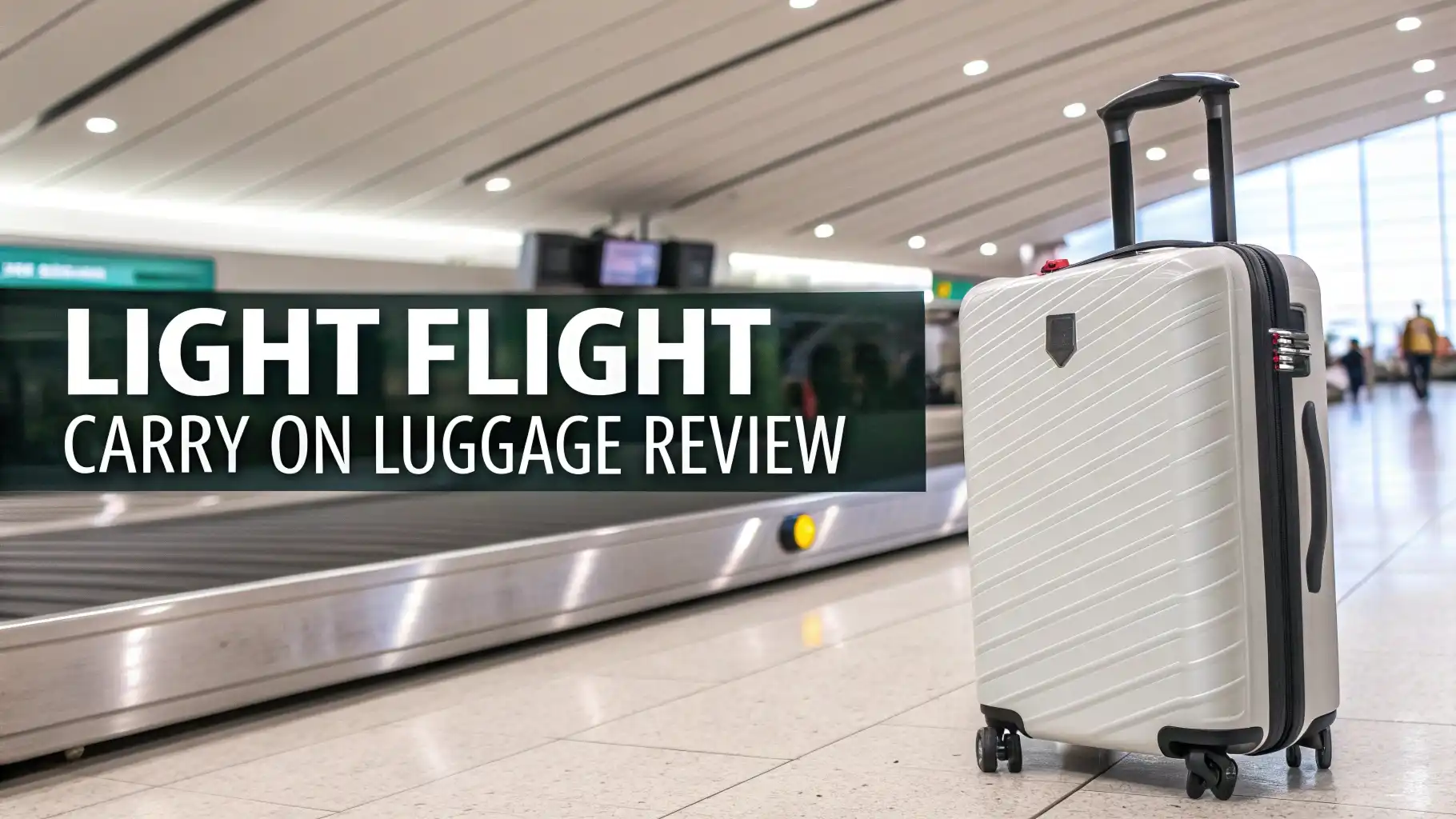
LIGHT FLIGHT Carry On Luggage Review: Worth Your Money in 2026?
You know that feeling when you’re rushing through the airport and your suitcase wheel decides to break?
Or when you’re trying to squeeze your bag into the overhead bin and everyone behind you is getting impatient? Yeah, we’ve all been there. That’s exactly why finding the right carry on luggage can make or break your travel experience.
I’ve spent hours researching the LIGHT FLIGHT Carry On Luggage to give you the real story. This isn’t just another generic review. I’m going to tell you what works, what doesn’t, and whether this bag deserves a spot in your travel arsenal.
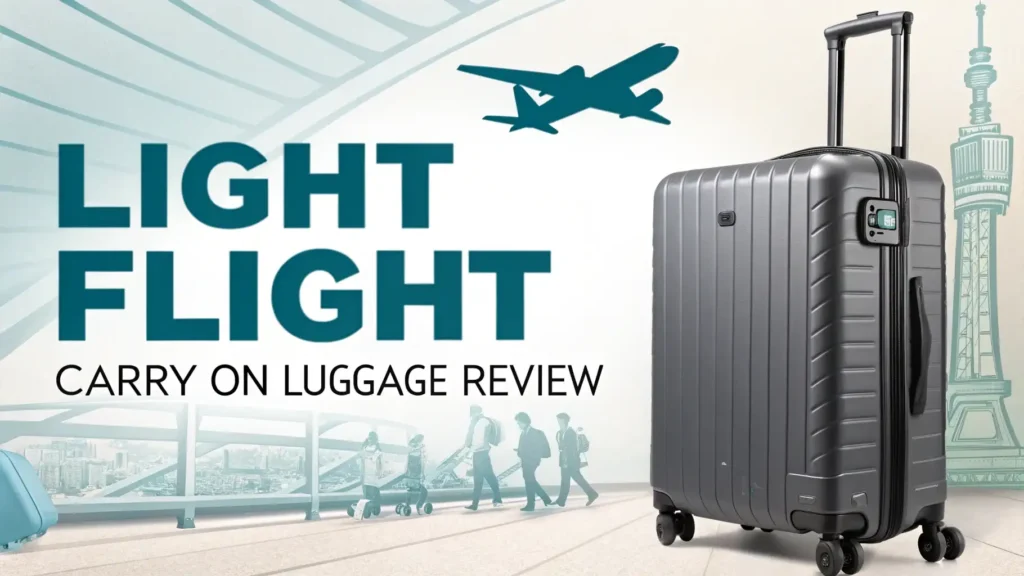
Key Takeaways:
- Weight matters big time – This luggage is designed to be lightweight, which means you can pack more stuff without hitting airline weight limits. Most travelers save 2-3 pounds compared to traditional hard shell luggage. The LIGHT FLIGHT weighs approximately 7.6 pounds, making it lighter than many competitors.
- Durability concerns are real – The materials used determine how long your investment lasts. LIGHT FLIGHT uses ABS hardshell construction methods that affect both weight and strength. You need to know the trade-offs between ABS and more expensive polycarbonate options.
- Size compliance is tricky – Airlines have different size requirements in 2026. This bag measures exactly 22 x 14 x 9 inches (including wheels), which fits most major carriers like Delta, United, and American Airlines. The standard 45 linear inches rule applies here.
- Price vs. value equation – At around $50, you’re not just buying a bag. You’re investing in travel convenience at a budget-friendly price point. The question is whether LIGHT FLIGHT offers enough features to justify its cost compared to competitors that cost three times as much.
- Wheel quality makes or breaks the experience – Cheap wheels fail fast. Good wheels last for years. The double spinner wheel system on this luggage directly impacts your airport experience every single time you travel. LIGHT FLIGHT uses 360-degree spinner wheels that promise smooth rolling.

What Exactly is LIGHT FLIGHT Carry On Luggage?
LIGHT FLIGHT is a budget-friendly luggage brand that entered the market with a clear mission. They wanted to give travelers quality hardside luggage without the premium price tag. The brand focuses on creating durable ABS hardshell suitcases with features you’d typically find in more expensive options.
The LIGHT FLIGHT Carry On Luggage comes in a 20-inch size that’s airline approved for most major carriers. It’s designed with a hard shell exterior, expandable capacity, TSA-approved locks, and double spinner wheels. The bag offers 35 liters of volume in standard mode and can expand by 20 percent when you need extra space.
What sets this luggage apart is its price point. While premium brands like Samsonite and Tumi charge $200 to $500 for similar carry on bags, LIGHT FLIGHT positions itself as an affordable alternative. But does cheaper mean worse quality? That’s what we’re here to find out.
Design and Build Quality That Actually Matters
Let’s talk about what this bag is made of. LIGHT FLIGHT uses ABS composite material for the hard shell construction. ABS stands for Acrylonitrile Butadiene Styrene, which is a type of thermoplastic polymer. This material is lighter than polycarbonate but not quite as flexible.
The exterior features a textured ridge pattern that helps hide scratches and scuffs. This is smart design because your luggage will take a beating from baggage handlers. The texture doesn’t just look good. It serves a real purpose in maintaining appearance over time.
The zippers are double-ended, which means you can open the bag from either direction. This saves time when you’re rushing to catch a flight. The zipper pulls feel solid in hand, though only time will tell if they hold up to repeated use.
Inside the bag, you’ll find divided compartments with mesh pockets and compression straps. The interior lining uses polyester fabric that feels smooth to touch. There’s a zippered divider that separates the main compartment, which helps keep clean clothes away from dirty ones during your trip.
Size Specifications and Airline Compliance
Here’s where things get important. The LIGHT FLIGHT Carry On Luggage measures 22 inches in height, 14 inches in width, and 9 inches in depth. These measurements include the wheels and handles, which is how airlines measure luggage in 2026.
Most major U.S. airlines allow carry on bags up to 22 x 14 x 9 inches. This includes American Airlines, Delta, United, Southwest, and JetBlue. The LIGHT FLIGHT fits these requirements perfectly. You won’t need to check this bag unless the overhead bins fill up on a crowded flight.
The total linear measurement adds up to 45 inches. This is calculated by adding height plus width plus depth. Many international airlines use this linear measurement system. The LIGHT FLIGHT complies with most international carriers as well, including Air Canada and many European airlines.
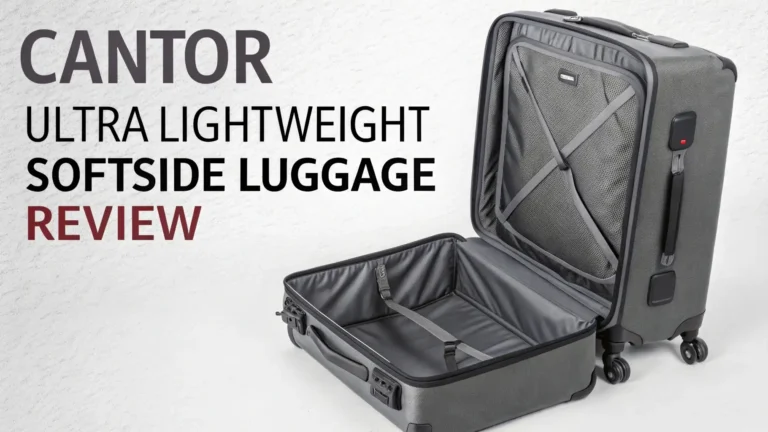
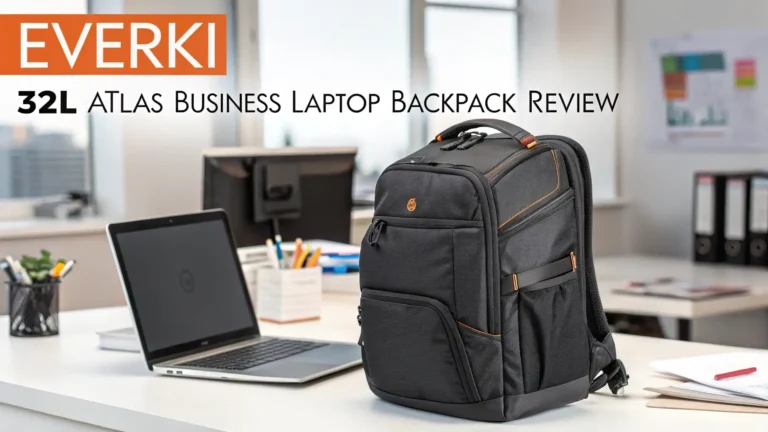
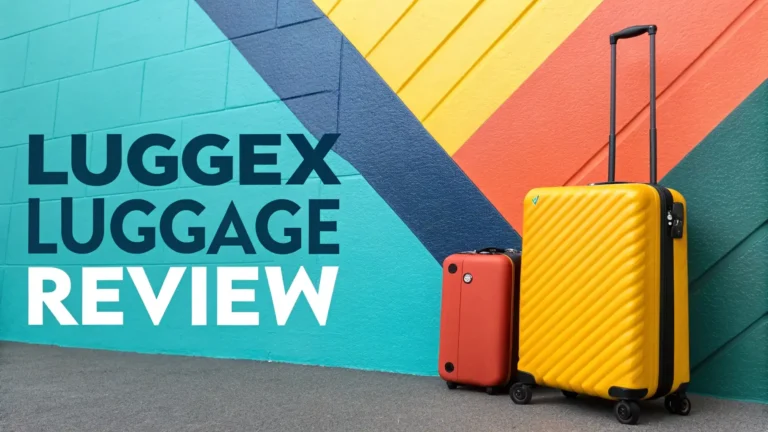
Top 3 Alternatives for LIGHT FLIGHT Carry On Luggage


Weight Advantages for Smart Packers
The LIGHT FLIGHT Carry On weighs approximately 7.6 pounds when empty. This is lighter than many budget hardside options that can weigh 9 to 10 pounds. Every pound of luggage weight is one less pound of stuff you can pack.
Most airlines allow carry on bags up to 40 pounds for domestic flights. Some international carriers set the limit at 15 to 22 pounds. When your empty bag weighs 7.6 pounds instead of 10 pounds, you gain 2.4 pounds of packing capacity. That’s enough room for extra shoes, souvenirs, or another outfit.
The lightweight design comes from the ABS material choice. ABS is less dense than polycarbonate, which reduces overall weight. However, this weight savings comes with a tradeoff. ABS is more rigid and can crack under extreme impact, while polycarbonate flexes and returns to shape.
Expandable Capacity Feature Explained
The expandable zipper runs around the entire depth of the bag. When you unzip this expansion panel, the bag grows from 35 liters to approximately 42 liters of capacity. That’s a significant 20 percent increase in packing space.
This feature helps when you’re returning home with more stuff than you left with. We’ve all bought souvenirs or gifts that didn’t fit in the original packing arrangement. The expansion panel gives you that extra room without needing to check a second bag.
However, expanding the bag makes it thicker and harder to fit in overhead bins. On full flights, gate agents sometimes require larger bags to be checked at the gate. If your bag is expanded to maximum capacity, you might face this situation more often.
Wheel Performance and Mobility Testing
The four double spinner wheels are the most critical component for airport navigation. LIGHT FLIGHT uses wheels made from polyurethane or similar polymer material. Each wheel rotates independently on ball bearing assemblies.
In ideal conditions like smooth airport floors, these wheels roll smoothly. You can push the bag with one finger and it glides alongside you. The 360-degree rotation lets you maneuver around other travelers without lifting the bag.
The real test comes on rough surfaces like cobblestone streets, sidewalks with cracks, or carpeted hotel hallways. Smaller diameter wheels struggle more with uneven surfaces. The 2-inch wheels on LIGHT FLIGHT are adequate but not exceptional.
Budget luggage wheels tend to be the first component to fail. The bearings can seize up after exposure to dirt and moisture. The wheel housing can crack if you bump into curbs or stairs. Premium luggage brands use reinforced wheel assemblies that cost more but last longer.
TSA Lock System and Security Features
The TSA-approved combination lock is built into the side of the luggage. This three-digit lock lets you secure the main compartment without adding a separate padlock. TSA agents can open these locks with a master key during security screenings without breaking your lock.
Setting the combination involves opening the lock to the default setting, usually 0-0-0. Then you press a small button or lever while changing the numbers to your desired combination. The instructions are straightforward, though some users report confusion during the initial setup.
The lock mechanism feels solid but not premium. It’s made from plastic components with metal locking pins. This lock will deter casual theft and keep your bag from accidentally opening. It won’t stop a determined thief with tools, but no luggage lock really does.
One concern is that TSA locks are not unique. There are only a handful of TSA master keys in circulation. This means your lock provides security theater more than real protection. Always keep valuables in your personal item or carry-on, never in checked luggage.
Interior Organization and Packing Capacity
The inside of the LIGHT FLIGHT Carry On features a divided compartment design. One side has a zippered divider panel that creates a separate section. The other side has mesh pockets and compression straps to keep items secure.
The mesh pockets are useful for organizing smaller items like socks, underwear, or charging cables. Being able to see through the mesh helps you find things quickly. However, mesh can snag on sharp objects, so be careful when packing items with protruding parts.
The compression straps cross over your packed items with adjustable buckles. When you tighten these straps, they compress your clothes and keep everything from shifting during transit. This prevents your carefully folded clothes from becoming a wrinkled mess.
The zippered divider is particularly useful for separating clean clothes from worn items. On return trips, you can put dirty laundry on one side and clean clothes on the other. This organizational feature is standard on most quality carry on bags.
ABS Material vs. Polycarbonate: The Real Difference
Understanding the material science helps you make an informed decision. ABS plastic is made from three monomers: acrylonitrile, butadiene, and styrene. These combine to create a rigid, impact-resistant plastic that’s easy to manufacture.
Polycarbonate is a different type of thermoplastic that’s more flexible and impact-resistant than ABS. Polycarbonate can bend significantly without cracking. If you drop a polycarbonate suitcase, it might dent but usually returns to its original shape. An ABS suitcase might crack under the same impact.
The cost difference between ABS and polycarbonate is substantial. Polycarbonate raw materials cost more, and manufacturing requires different processes. This is why budget luggage uses ABS while premium brands use polycarbonate or polycarbonate blends.
For durability, polycarbonate wins clearly. It handles repeated impacts better and lasts longer under heavy use. ABS performs adequately for occasional travelers but shows its limitations under frequent use.
Handle System and Comfort During Use
The telescoping handle extends from the top of the bag with a push-button release. LIGHT FLIGHT uses an aluminum handle system that extends to two or three height positions. The highest position measures approximately 42 inches from the ground.
Handle height matters for comfort during extended use. If the handle is too short, you’ll hunch over while pulling the bag. Too tall, and you’ll strain your shoulder. The multiple height settings let you adjust for your height and preference.
The grip material on the handle is usually foam or rubberized plastic. This provides cushioning for your hand during long airport walks. Budget luggage sometimes uses cheaper plastic that can become uncomfortable after 20 minutes of pulling.
The top and side carry handles let you lift the bag into overhead bins or car trunks. These handles should feel sturdy and well-attached. Cheap luggage sometimes has handles that tear away from the bag body under stress.
Color Options and Visual Appeal
LIGHT FLIGHT offers their carry on luggage in multiple color choices. The most popular option is Royal Blue, which stands out on baggage carousels. Other colors typically include black, navy, gray, and sometimes red or purple.
Bright colors have a practical advantage beyond aesthetics. When you’re waiting at baggage claim or looking for your bag in an overhead bin, distinctive colors help you identify your luggage quickly. Black bags all look the same from a distance.
The textured shell pattern gives the bag a modern appearance. It’s not as sleek as smooth polycarbonate luggage, but it hides wear and tear better. Scratches and scuffs blend into the texture instead of standing out as visible damage.
The overall aesthetic is utilitarian rather than luxury. This bag won’t turn heads in a first-class cabin, but it doesn’t look cheap either. It occupies the middle ground of acceptable appearance for the price point.
Price Comparison with Competitors
At approximately $50, the LIGHT FLIGHT Carry On represents the budget end of the hardside luggage market. Let’s put this in context with competitor pricing.
Samsonite Freeform costs around $119 to $139 depending on sales. That’s more than double the LIGHT FLIGHT price. You’re paying for the Samsonite brand reputation and slightly better materials. Whether that’s worth $70 extra depends on how often you travel.
American Tourister bags range from $65 to $90. These are also made by Samsonite but target budget-conscious buyers. The quality sits between LIGHT FLIGHT and premium Samsonite products. You save money compared to Samsonite but spend $15 to $40 more than LIGHT FLIGHT.
Travelpro Maxlite 5 softside options cost around $150 to $160. This is three times the LIGHT FLIGHT price. However, Travelpro is the brand that airline crew members use, which speaks to its durability. For frequent flyers, this investment makes sense.
Premium brands like Away, Rimowa, and Tumi charge $200 to $600 for carry on luggage. These bags offer superior materials, lifetime warranties, and prestige branding. Most leisure travelers don’t need this level of quality unless they’re flying multiple times per week.
Warranty and Customer Support Reality Check
This is where budget luggage shows its limitations. LIGHT FLIGHT offers a limited warranty that typically covers manufacturing defects but not wear and tear from normal use. The warranty period is usually one year from purchase.
Premium brands like Travelpro and Briggs & Riley offer limited lifetime warranties that cover repairs and even some wear items. Samsonite provides 10-year warranties on many products. These warranties add value that justifies higher prices.
The customer service experience with budget brands varies widely. Some buyers report quick responses and easy returns through Amazon. Others struggle to get help when problems arise. Premium brands usually have dedicated customer service teams and repair facilities.
Warranty claims require proof of purchase and sometimes photos of the damage. If a wheel breaks or a zipper fails within the warranty period, you’ll need to contact customer support. The process can take weeks, leaving you without luggage during that time.
Real User Experiences and Common Complaints
Looking at customer reviews reveals patterns in user experiences. The LIGHT FLIGHT Carry On has a 4.4 star rating from 354 reviews on Amazon, which indicates generally satisfied customers with some issues.
Positive feedback commonly mentions the lightweight design, smooth-rolling wheels, and excellent value for the price. Many buyers say the bag exceeded their expectations given the low cost. First-time hardside luggage buyers often appreciate the quality relative to soft bags.
Negative reviews tend to focus on durability concerns. Some users report wheel failures after several trips. The plastic wheel housing cracks or the bearings seize up. This is the most common complaint across budget luggage brands.
Zipper problems appear in some reviews. The main compartment zippers can stick or separate under stress when the bag is overpacked. A few users report the expansion zipper failing, which is particularly frustrating.
Who Should Buy LIGHT FLIGHT Luggage?
The ideal buyer for LIGHT FLIGHT Carry On Luggage travels occasionally for vacation or occasional business trips. You take two to four trips per year and don’t want to spend $150 on a suitcase. You prioritize value over premium features.
Students and young professionals starting their travel lives benefit from this price point. You can buy a complete luggage set for the cost of one premium carry on. This lets you test different travel styles before investing in expensive bags.
Budget-conscious families needing multiple suitcases find value here. Outfitting everyone with matching luggage costs $150 to $200 instead of $600 to $800. The money saved can go toward actual trip expenses.
Occasional travelers who fly once or twice per year don’t need bulletproof luggage. If your bag sits in storage 50 weeks per year, spending $500 makes little sense. A reliable budget option serves you perfectly well.
Who should avoid LIGHT FLIGHT? Frequent business travelers flying weekly need more durable luggage that handles constant use. Flight attendants and pilots should invest in professional-grade bags. Anyone checking luggage on every flight needs tougher construction than ABS provides.
Maintenance Tips to Extend Luggage Life
Taking care of your LIGHT FLIGHT Carry On helps maximize its lifespan. Start by cleaning the bag after each trip. Wipe down the exterior with a damp cloth to remove dirt and grime. This prevents buildup that can damage the finish over time.
Wheel maintenance is critical for smooth operation. Check the wheels regularly for debris wrapped around the axles. Hair, strings, and dirt accumulate in the wheel assemblies. Remove this debris with tweezers or a small screwdriver.
Store your luggage empty and slightly open when not in use. This allows air circulation and prevents musty odors. Don’t stack heavy items on top of stored luggage, which can warp the frame or crack the shell.
Frequently Asked Questions
Is LIGHT FLIGHT luggage truly airline approved for all carriers?
LIGHT FLIGHT Carry On Luggage measures 22 x 14 x 9 inches, which complies with most major U.S. and international airline size restrictions. However, always check your specific airline’s requirements before traveling. Budget carriers sometimes have smaller size limits. The bag fits overhead bins on Boeing 737s, Airbus A320s, and similar aircraft.
How much can I actually pack in this carry on?
The standard capacity is 35 liters, which equals about 2135 cubic inches. You can fit approximately five to seven days of clothing for one person depending on how you pack. Using packing cubes and rolling clothes maximizes space. The expandable feature adds another 20 percent capacity, bringing total volume to roughly 42 liters when expanded.
Will the ABS shell crack if baggage handlers throw my bag?
ABS plastic is rigid and can crack under severe impact, especially in cold temperatures. Baggage handlers don’t intentionally damage luggage, but bags do fall and bump into things. The textured shell design adds some impact resistance. For carry on luggage that stays with you, the crack risk is lower than checked bags that undergo rougher handling.
Can I lock this bag for international travel?
Yes, the integrated TSA lock works for both domestic and international flights. TSA locks use a universal master key system that security agents can open without breaking the lock. For international destinations, you can set your own three-digit combination. Just remember that no luggage lock provides total security against determined thieves.
How does LIGHT FLIGHT compare to Amazon Basics luggage?
Both brands target budget-conscious buyers with similar features and pricing. LIGHT FLIGHT generally receives slightly higher customer ratings for wheel quality and durability. Amazon Basics has the advantage of easy returns through Amazon’s system. The actual quality difference is minimal, making either a reasonable choice for occasional travelers.
What happens if a wheel breaks during my trip?
Contact LIGHT FLIGHT customer service through Amazon if the damage occurs within the warranty period. For immediate solutions during travel, many airports have luggage repair kiosks that can replace wheels for a fee. As a backup, you can carry the bag using the handles. Some frequent travelers carry spare wheels in their luggage for emergencies.
Does the bag stand upright on its own?
Yes, the four spinner wheels create a stable base when you place the bag upright. On level surfaces, the bag stays in place without tipping. On slopes or moving surfaces like trains, you’ll need to hold or wedge the bag to prevent rolling. The weight distribution is balanced enough for stable standing in normal situations.
Can I fit a laptop inside this carry on?
The interior dimensions accommodate most laptops up to 15 inches. However, this bag doesn’t have a dedicated padded laptop compartment. You should use a laptop sleeve or case inside the bag for protection. Many travelers prefer keeping laptops in their personal item bag for easier access during airport security screening.