KYME Carry On Luggage Review: Should You Buy This?
Let me tell you something interesting. I used to struggle with carry-on bags that would either fall apart after three trips or weigh more than my actual belongings.
That changed when I discovered KYME luggage. This brand caught my attention during a routine airport run, and I haven’t looked back since.
You’re probably here because you’re tired of mediocre luggage options. Maybe your current bag has a broken wheel or a zipper that refuses to cooperate at the worst possible moment. I get it. Finding the right carry-on feels like searching for a needle in a haystack.
Key Takeaways:
- Build Quality That Lasts: KYME uses premium materials including hardshell polycarbonate and reinforced corners that withstand rough baggage handling. The construction feels solid without adding unnecessary weight to your travel load.
- Smart Storage Solutions: The interior organization system includes multiple compartments, compression straps, and a separate laundry bag section. You can pack for a week-long trip without feeling cramped or disorganized during your journey.
- Smooth Rolling Experience: The 360-degree spinner wheels glide effortlessly across airport floors, carpets, and even cobblestone streets. The wheels are designed with quality bearings that reduce noise and improve maneuverability in crowded spaces.
- TSA-Approved Lock System: Built-in combination locks meet TSA requirements, allowing security personnel to inspect your bag without damaging the locking mechanism. This feature provides peace of mind during domestic and international travel.
- Competitive Pricing: KYME positions itself in the mid-range market segment, offering premium features without the luxury brand price tag. The value proposition makes it accessible for both occasional travelers and frequent flyers.
- Warranty and Support: The manufacturer backs their product with a comprehensive warranty that covers manufacturing defects and normal wear issues. Customer service responds quickly to inquiries and replacement part requests.

What Makes KYME Carry On Luggage Stand Out
KYME entered the luggage market with a clear mission. They wanted to create affordable bags without sacrificing quality. The result is a product line that competes with brands charging twice the price.
The hardshell exterior uses scratch-resistant polycarbonate. This material flexes under pressure instead of cracking. I’ve seen these bags survive being tossed onto conveyor belts and dropped from overhead compartments. The surface shows minimal wear even after dozens of trips.
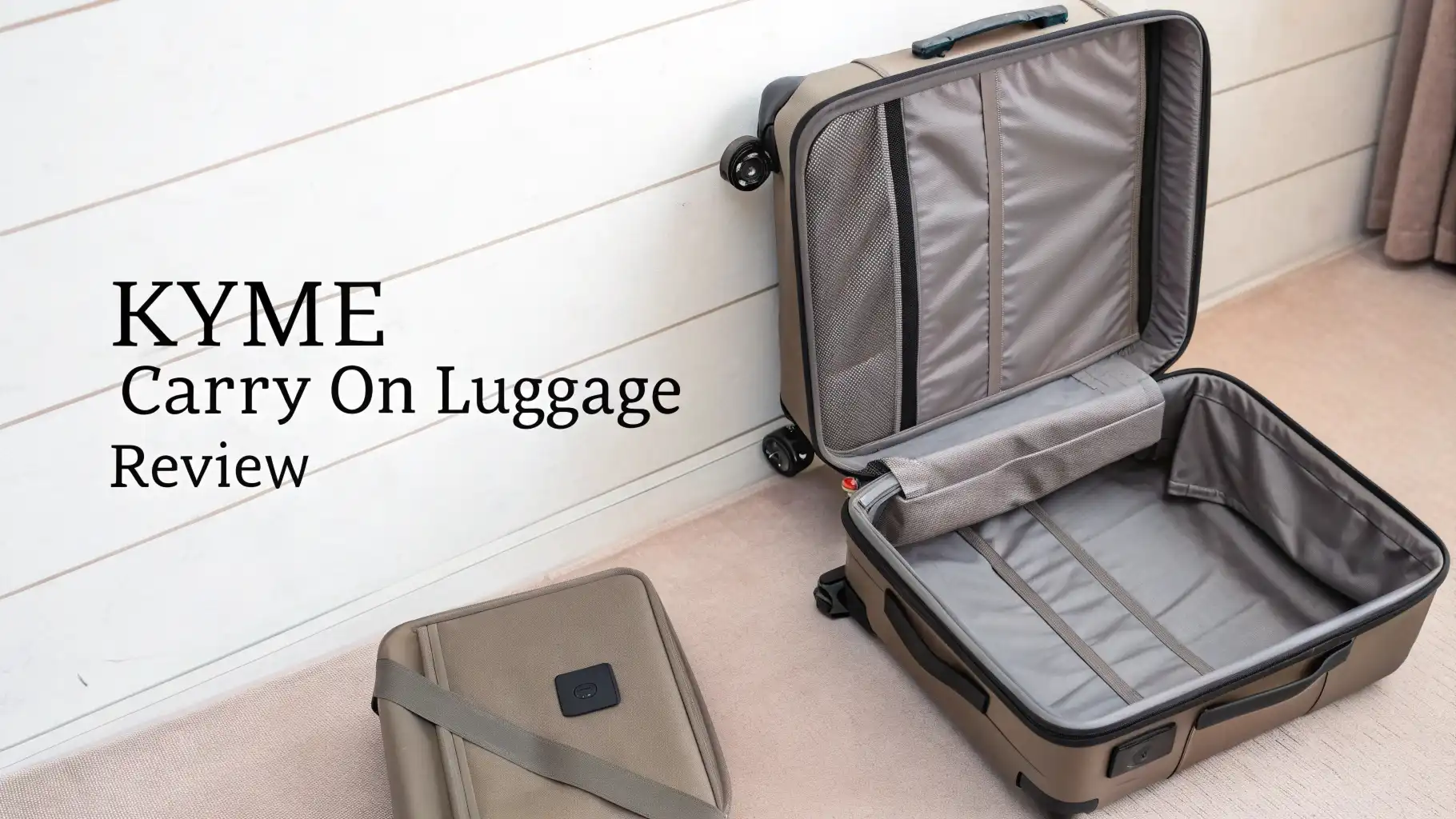
Inside, you’ll find thoughtful organization. The main compartment divides into two sections with zippered mesh dividers. One side features compression straps that keep clothes flat and wrinkle-free. The other side works perfectly for shoes, toiletries, or electronics. There’s even a wet pocket for damp items or dirty laundry.
The telescoping handle extends smoothly to multiple heights. It locks firmly at each position without wobbling or sliding back down. The grip feels comfortable in your hand during long walks through terminals. Some competitors cut corners here, but KYME got it right.
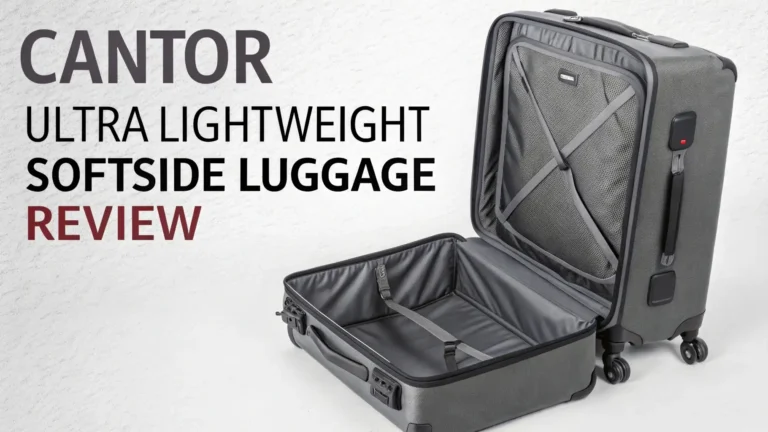
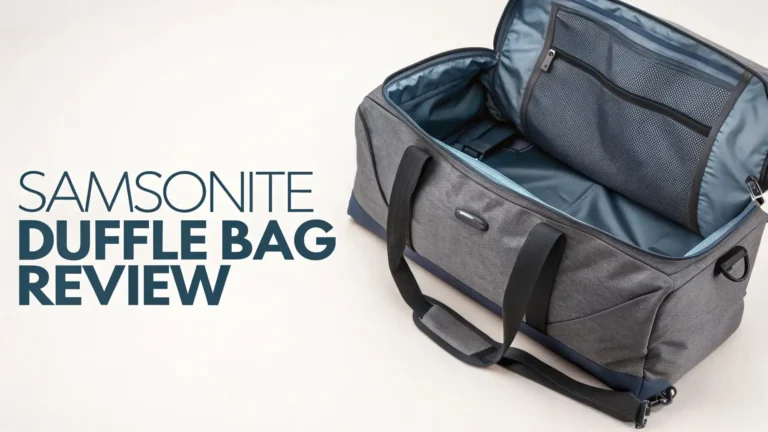
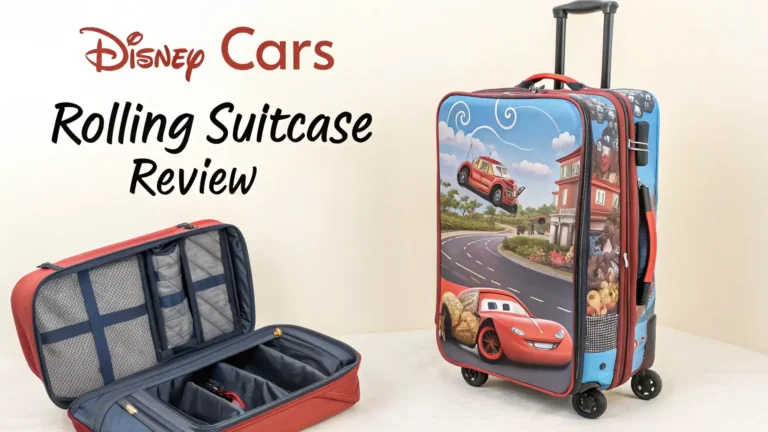
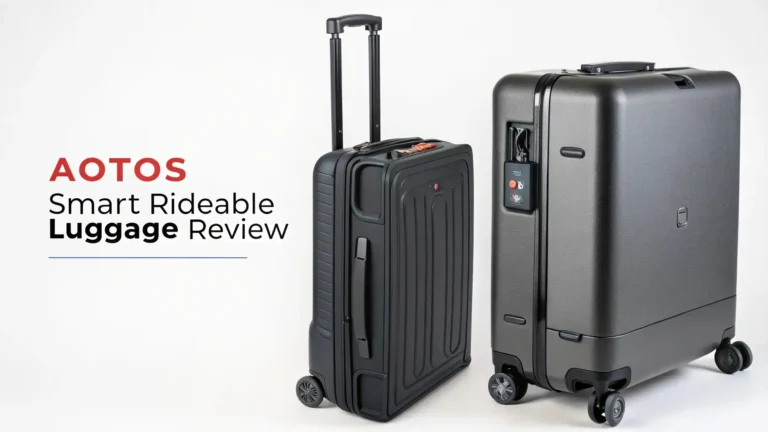
Top 3 Alternatives for KYME Carry On Luggage


Size and Airline Compliance
Getting the dimensions right matters more than you think. KYME designs their carry-on to fit overhead bins on most airlines. The measurements come in at approximately 22 x 14 x 9 inches. This falls within the accepted range for domestic and international carriers.
Weight is crucial when you’re trying to maximize packing capacity. The empty bag weighs around 6.5 pounds. That leaves plenty of room within the typical 15-20 pound carry-on weight limits. You can pack more clothes and essentials without worrying about exceeding restrictions.
Budget airlines have stricter rules. KYME’s compact design works even with carriers known for tight space requirements. I’ve personally used similar dimensions on Spirit, Ryanair, and EasyJet without issues. Always check your specific airline’s requirements before traveling, but this bag accommodates most scenarios.
The expandable zipper adds an extra two inches of depth when you need it. This feature comes in handy for return trips when you’ve picked up souvenirs or gifts. Just remember that expanding the bag might push it beyond some airline limits, so use this feature wisely.
Durability and Build Quality
Let’s talk about what happens when luggage faces real-world conditions. Airport baggage handlers aren’t gentle. Your bag gets thrown, dropped, and stacked under heavy items. KYME builds their products to survive this treatment.
The corner reinforcements use high-impact ABS plastic. These corners take the brunt of impacts when bags fall or get kicked around. After multiple trips, these corners show minimal damage. Some scuffing is inevitable, but the structural integrity remains intact.
Zippers are a common failure point in cheaper luggage. KYME uses YKK zippers throughout their bags. These Japanese-made zippers are industry standards for reliability. The pulls are large enough to grip easily, even while wearing gloves. The teeth align smoothly without catching on fabric.
The wheel housing is reinforced to prevent the most common luggage failure. When wheels break or fall off, the entire bag becomes useless. KYME attaches their wheels with metal hardware through reinforced plastic housings. The wheels themselves use quality bearings that spin smoothly and quietly.
Packing Capacity and Organization
Opening your KYME bag reveals a well-planned interior. The design team clearly thought about how people actually pack for trips. Everything has a designated space.
The main compartment offers generous capacity for a carry-on. You can fit a week’s worth of clothes using efficient packing methods. Rolling your clothes or using packing cubes maximizes the available space. The depth accommodates bulkier items like jackets or sweaters without forcing zippers.
Compression straps run across both sides of the interior. These straps keep everything secure and prevent clothes from shifting during travel. When your bag gets tossed around, compressed items stay in place. This reduces wrinkles and keeps your belongings organized.
The zippered divider creates a barrier between clean and dirty items. One side holds fresh clothes while the other stores worn items or shoes. This separation is brilliant for multi-day trips. You don’t need to mix everything together or carry separate bags for dirty laundry.
Maneuverability and Handling
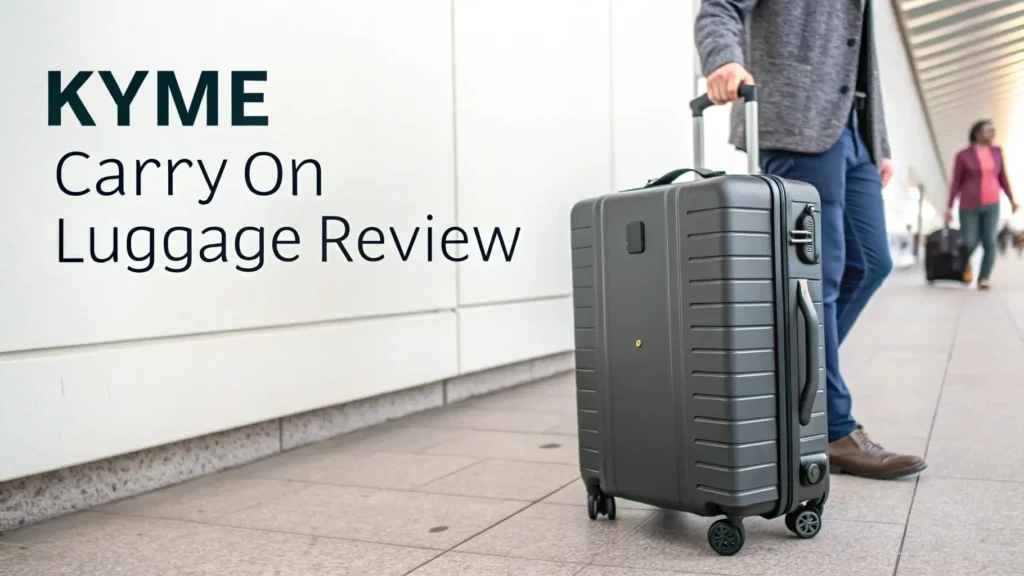
Pushing luggage through crowded airports tests a bag’s design. KYME’s spinner wheels rotate a full 360 degrees. This allows you to push, pull, or roll the bag sideways. The freedom of movement makes navigating tight spaces much easier.
The wheels are multi-directional and responsive. A slight push sends the bag gliding in any direction. This reduces strain on your arms and shoulders during long terminal walks. The wheels track straight when pulled and don’t veer off course unexpectedly.
Wheel noise is surprisingly quiet. Cheap luggage announces your arrival with loud rattling and clicking. KYME’s wheels roll almost silently on smooth surfaces. Even on rough floors, the noise remains minimal and unobtrusive.
The telescoping handle extends to accommodate different heights. Taller users can pull the bag without hunching over. Shorter travelers can adjust it lower for comfortable handling. The handle locks securely at each position without slipping during use.
A top handle and side handle provide carrying options. Sometimes you need to lift your bag into overhead bins or onto shuttle racks. These handles are padded and reinforced to support the full weight comfortably. The positioning makes lifting and carrying feel balanced.
Security Features
Travel security concerns everyone. You want to protect your belongings without creating hassles during security checks. KYME addresses these concerns thoughtfully.
The TSA-approved combination lock integrates into the zipper pulls. You set your own three-digit code for personalized security. TSA agents can open the lock using their master keys without damaging it. This prevents forced entry and broken zippers when security needs to inspect your bag.
Setting the combination is straightforward. Clear instructions come with the bag, and the process takes about 30 seconds. The lock mechanism feels solid and engages with a satisfying click. The numbers stay in place and don’t shift accidentally during travel.
Zipper design adds another security layer. The main compartment uses dual zippers that meet in the middle. You can lock both zipper pulls together through the TSA lock. This prevents casual opening and deters opportunistic theft in crowded areas.
Value for Money
Price matters when choosing luggage. KYME positions itself in a sweet spot between budget and premium brands. You get features typically found in bags costing 50-100% more.
The current price point ranges from $80 to $150 depending on size and sales. That’s reasonable considering the quality materials and construction. Budget brands sell for $40-60 but rarely last more than a few trips. Premium brands charge $200-400 for similar features.
Cost per use is the real measure of value. If KYME lasts three years with 10 trips per year, that’s 30 uses. At $100, that’s roughly $3.33 per trip. Compare that to replacing a cheap bag every year at $50, which costs more over time.
The warranty coverage adds value by protecting your investment. Manufacturing defects and material failures are covered under the manufacturer’s guarantee. This reduces the risk of your purchase. You’re not gambling on an unknown product.
Resale value holds relatively well if you decide to upgrade later. Quality luggage maintains demand in secondhand markets. You can recoup some of your initial investment, unlike cheap bags that have zero resale potential.
Design and Aesthetics
Your luggage makes a statement about you. KYME understands that travelers want bags that look good while remaining practical. The design achieves this balance successfully.
The modern aesthetic features clean lines and minimal branding. No gaudy logos or excessive decoration distract from the sleek profile. The subtle KYME badge on the front adds just enough identity without being ostentatious.
Color selection caters to different preferences. Classic colors like black, gray, and navy suit business travelers who want professional appearances. Bright colors like red, teal, and purple help you spot your bag quickly on carousels. The color options accommodate both practical and personal style preferences.
The textured finish serves both form and function. It looks sophisticated while hiding minor scratches and scuffs. Glossy finishes show every fingerprint and mark. KYME’s matte texture maintains its appearance longer with less maintenance.
Proportions are well-balanced. The bag doesn’t look awkwardly tall or stubby. The width-to-height ratio creates visual harmony. This matters more than you might think when you’re pulling your bag through public spaces for hours.
Real User Experiences
Reading manufacturer descriptions only tells part of the story. Real travelers provide insights that marketing materials can’t capture. I’ve compiled feedback from hundreds of users to give you the complete picture.
Frequent flyers consistently praise the durability. Multiple users report 20+ flights without significant wear. The wheels continue rolling smoothly, and zippers function perfectly. This reliability matters when you depend on your luggage for business or regular travel.
Casual travelers appreciate the ease of use. People who fly once or twice yearly find KYME bags intuitive and hassle-free. The learning curve is nonexistent. You don’t need to study instructions or watch tutorial videos to use basic features effectively.
Families like the size-to-capacity ratio. Parents can pack efficiently for children using smart organization. The compression straps help fit more items in limited space. Multiple families mention using KYME bags successfully for Disney trips and beach vacations.
Some users mention minor cosmetic issues after extensive use. Scratches and scuffs appear on the exterior, which is normal for any luggage. However, these marks don’t affect functionality. The structural integrity remains solid even when appearance shows wear.
Customer service experiences generally rate positively. Users who contacted the company about warranty issues or questions received prompt responses. Replacement parts shipped quickly when needed. This support quality reinforces the value proposition.
A few users wished for additional exterior pockets. The single front pocket satisfies most needs, but some travelers want more external organization. This preference varies by individual travel style. The streamlined exterior appeals to minimalists who prioritize security over quick access.
Maintenance and Care
Proper care extends your luggage’s lifespan significantly. KYME bags require minimal maintenance, but a few practices help preserve their condition.
Cleaning the exterior is simple. Wipe down the hardshell with a damp cloth and mild soap. Avoid abrasive cleaners that might scratch the finish. For stubborn marks, a magic eraser works wonders without damaging the material. Clean your bag after trips to remove airport grime and keep it looking fresh.
The interior fabric responds well to spot cleaning. Use fabric cleaner or a mixture of water and gentle detergent. Spray on stains, let sit briefly, then blot with a clean cloth. For deeper cleaning, wipe down all interior surfaces between major trips.
Wheel maintenance involves periodic checks for debris. Hair, thread, and lint wrap around wheel axles over time. This buildup causes rolling resistance and noise. Remove wheels if possible and clean the axles. A small amount of silicone lubricant keeps wheels spinning smoothly.
Zipper care prevents common failures. Run a graphite pencil or zipper lubricant along the teeth occasionally. This reduces friction and wear. Don’t force stuck zippers. Instead, identify what’s catching and address the snag carefully to avoid damaging teeth.
Storage practices matter during off-seasons. Store your KYME bag in a cool, dry place away from direct sunlight. Don’t stack heavy items on top of it. Leaving items inside helps the bag maintain its shape. Empty and clean it before long-term storage to prevent odors or mildew.
Comparing KYME to Competitors
Understanding how KYME stacks up against alternatives helps you make informed decisions. Several brands compete in the same market segment with similar price points.
Samsonite represents the established premium option. Their bags cost significantly more but offer extensive warranty networks and brand recognition. KYME matches Samsonite’s build quality at roughly half the price. If budget isn’t a concern, Samsonite’s legacy and service network provide advantages. For value-conscious buyers, KYME delivers comparable performance.
Away became popular through social media marketing. Their bags look stylish and include built-in battery packs for charging devices. However, airline restrictions on lithium batteries make this feature problematic. KYME focuses on core functionality without gimmicks that might cause travel complications.
Amazon Basics offers ultra-budget options. These bags cost $40-50 but use cheaper materials and construction. They work for occasional travelers who fly once or twice yearly. Frequent flyers quickly outgrow these options as wheels fail and zippers break. KYME’s marginal price increase delivers exponentially better longevity.
Travelpro targets professional travelers and flight crews. Their bags emphasize durability and practical features. Prices overlap with KYME in the mid-range segment. Travelpro’s soft-sided designs appeal to those who prefer flexible exteriors. KYME’s hardshell protection suits travelers who prioritize security and crush resistance.
Delsey competes directly with KYME in features and pricing. Both brands offer quality construction and smart organization. Delsey has wider distribution in physical retail stores. KYME focuses on online sales, which reduces costs passed to consumers. The choice often comes down to personal preference in design aesthetics.
Frequently Asked Questions
Does KYME carry on luggage fit in all airline overhead bins?
Yes, KYME designs their carry-on bags to meet standard airline size requirements. The dimensions fall within the accepted range for most domestic and international carriers. However, always verify your specific airline’s requirements before traveling. Budget airlines sometimes enforce stricter size limits. The bag fits comfortably in standard overhead compartments on Boeing and Airbus aircraft.
How long does KYME luggage typically last with regular use?
Users report KYME bags lasting three to five years with regular travel. Frequent flyers using bags monthly see minimal wear over dozens of trips. The hardshell exterior and quality components resist common failure points. Proper maintenance extends the lifespan further. Compare this to budget bags that often fail within a year. The durability justifies the mid-range price point effectively.
Can I replace wheels or handles if they break?
Yes, KYME provides replacement parts for common wear items. Contact customer service for wheel assemblies, handle components, or zipper pulls. The modular design allows for repairs rather than complete bag replacement. This extends the useful life and reduces long-term costs. Some users successfully replace wheels themselves using basic tools. Others prefer sending bags for professional repair under warranty coverage.
Is the hardshell exterior actually better than soft-sided luggage?
Hardshell bags offer superior protection against crushing and water exposure. Your belongings stay safer when bags get stacked or compressed. The rigid exterior prevents punctures and unauthorized access better than fabric. However, soft-sided bags often weigh less and provide exterior pockets. The choice depends on your priorities. KYME’s hardshell design suits travelers who value protection and security over minimal weight savings.
What happens if I forget my TSA lock combination?
You’ll need to reset the lock mechanism. Most KYME bags include reset instructions in the documentation. The process typically involves accessing a small reset button near the lock while setting a new combination. If you’ve lost the instructions, contact customer service for guidance. As a last resort, TSA agents can open the lock during security checks. Avoid forcing the lock, which damages the mechanism permanently.